

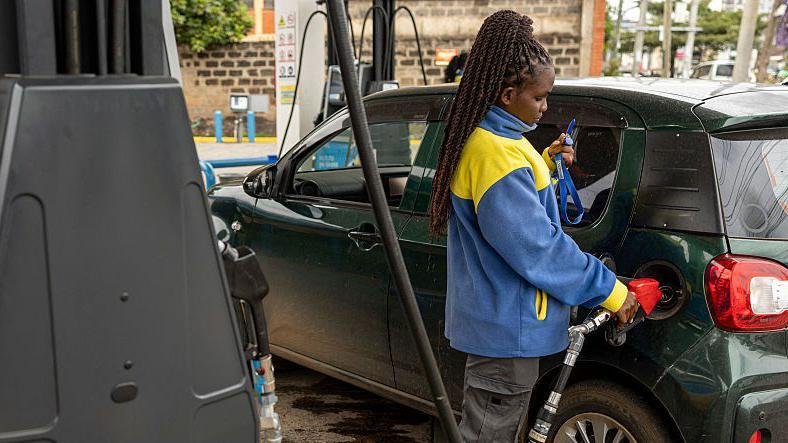

Nations across Africa have seen a rise in fuel prices triggered by the war in Iran
The Impact of the Iran Conflict on Africa’s Fuel Crisis
Countries across Africa are grappling with the repercussions of rising fuel prices linked to the ongoing conflict in Iran between the US and Israel. As tensions escalate in the region, African nations are implementing various strategies to mitigate the effects of this crisis.
Electricity Rationing in South Sudan
In South Sudan, the capital city of Juba has begun electricity rationing. Due to its heavy reliance on oil for power generation—96% according to the International Energy Agency—Juba is particularly vulnerable. The main utility provider, Jedco, announced that parts of the city would experience daily power cuts. Ereneo Mogga, an electrical engineer in Juba, reported that power outages often start at 4 PM and last until 4 AM, severely disrupting businesses. Some residents have opted for solar power but note the expense involved.
Mauritius Faces Energy Shortages
Mauritius, an island nation reliant on oil imports for electricity generation, has declared an energy emergency due to a lack of oil shipments. The government is scrambling to secure alternative supplies, with shipments expected from Singapore but at a higher price. The country reportedly has only 21 days of fuel stock left, prompting officials to act swiftly to stabilize the situation.
Zimbabwe’s Shift Towards Ethanol
In Zimbabwe, authorities have decided to boost the ethanol content in petrol from 5% to 20% as part of an effort to address rising fuel costs, which have surged by 40% within a month. Additionally, the government is eliminating some import taxes on fuel. Local vendors are feeling the pinch of these price hikes and are struggling to maintain sales amidst increasing transport costs.
Ethiopia’s Fuel Supply Management
Ethiopia has mandated fuel supply companies to prioritize fuel deliveries to security sectors and essential services. The Ethiopian Oil and Energy Authority introduced measures for petrol stations to conserve fuel, particularly impacting public transport. Meanwhile, the Tigray region has suspended fuel supplies amid concerns of renewed conflict.
Kenya’s Fuel Supply and Agricultural Sector Struggles
In Kenya, reports indicate that 20% of petrol stations are experiencing shortages, primarily due to panic buying. The Energy Ministry denies a nationwide fuel shortage and insists that stockpiling should not occur. The floriculture industry is also facing challenges, with significant financial losses attributed to shipping delays and reduced demand in the Middle East.
Uganda and South Africa’s Responses
In Uganda, the government assures citizens that measures are in place to prevent fuel shortages, while South Africa maintains that its fuel supply remains stable in the short term. However, officials caution that a prolonged conflict could destabilize prices. Despite the current stability, South African fuel stations are reportedly rationing diesel.
Broader Implications for Africa’s Energy Landscape
Interestingly, some nations, including Nigeria, may stand to gain from the heightened global oil prices resulting from the conflict. Nigeria has proposed increasing its oil output to help alleviate global demand pressures. Although the government may benefit financially, ordinary citizens could face increased costs at the pump as a result of international price fluctuations.
Conclusion: Navigating the Fuel Crisis
The ramifications of the Iran conflict are felt across Africa, with multiple nations adopting different strategies to maneuver in this unpredictable landscape. While some may find opportunities amidst the turmoil, the general populace is increasingly burdened by rising costs and limited access to essential resources. As the situation evolves, continued attention on fuel supply dynamics will be critical for assessing the ongoing impact on the continent.

Many ports in South Africa have seen an increase in vessels diverted from the Strait of Hormuz
For more detailed insights on the implications of the Iran war on global fuel prices, visit sources like BBCAfrica.com.
