

The Impact of Middle East Conflict on African Oil Markets
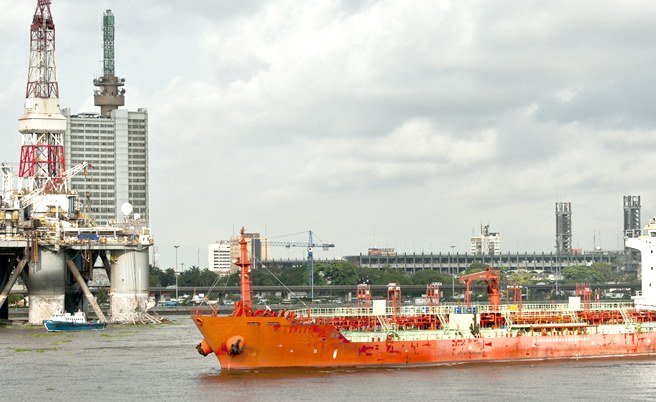
The ongoing conflict in the Middle East is reshaping global energy dynamics, prompting European and Asian buyers to increasingly turn to African oil-producing nations. Countries such as Nigeria, Libya, Angola, Gabon, Mozambique, Namibia, and Tanzania are emerging as viable alternatives due to their competitive insurance rates and reliable delivery schedules, especially in contrast to the high-risk zones in the Middle East.
The Crisis at a Glance
Due to the escalating tension between the U.S., Israel, and Iran, global energy markets have been significantly disrupted, affecting millions of barrels of crude oil production and 20% of the world’s liquefied natural gas (LNG) supply. As analysts predict potential blockades in critical waterways like the Strait of Hormuz, Africa’s energy giants may reap long-term benefits from the situation, given their geographical distance from primary conflict areas.
Key Players in African Oil Production
The shifting landscape positions countries with established energy sectors as pivotal players. Nigeria, for instance, is anticipated to see a surge in demand as international buyers seek stability amid geopolitical instability. Experts note that African nations are increasingly becoming preferred partners for their perceived lower risk and strategic geographic advantages.
Implications for Global Energy Markets
As disrupted oil supplies in the Middle East raise global prices, African nations could position themselves as primary suppliers. The African Supply Chain Confederation (ASCON) highlights that any turmoil affecting oil transportation routes, such as the Strait of Hormuz, has broader implications beyond oil—impacting food and fuel prices across the continent.
Watch for Additional Developments
-
Nigeria’s Position: Analysts believe that due to the current geopolitical tensions, Nigeria and its neighbors stand to gain significantly in the foreign oil market. As reported by Leadership, the ongoing conflict is likely to propel Africa’s oil producers to the forefront of global energy supply.
- Manufacturers’ Concerns: However, economic ramifications are not limited to oil. The Manufacturers Association of Nigeria expressed worries about the direct impacts on domestic manufacturing due to rising costs and supply chain disruptions related to the conflict.
Regional Initiatives for Economic Resilience
The challenges brought on by the Middle East conflict underscore the necessity for African nations to strengthen their economies and create self-reliant systems. Recent discussions among African leaders focus on adopting unified strategies to build resilience against global crises.
Supporting Economic Development
- Tanzania’s Call for Unity: Tanzanian officials are advocating for collaborative efforts across the continent to enhance economic independence.
- Rwanda’s IMF Support: In a bid to stabilize its economy amidst global volatility, Rwanda has secured a $250 million support agreement with the International Monetary Fund.
Future Considerations: Strategic Talks and Policies
To mitigate potential backlash from rising energy costs, discussions are ongoing among African nations. For example, South Africa is currently in negotiations with Nigeria regarding a fuel agreement to address looming shortages driven by the conflict.
Conclusion
The unfolding dynamics in the Middle East have far-reaching consequences that extend well into Africa. As global energy markets adjust to new realities, Africa’s oil producers appear poised to seize opportunities that may arise from current challenges. Keeping a close eye on developments will be crucial for nations eager to safeguard their economies against external shocks.
For more detailed insights on how African oil landscapes are shifting, check out this article that delves deeper into these emerging trends.
