

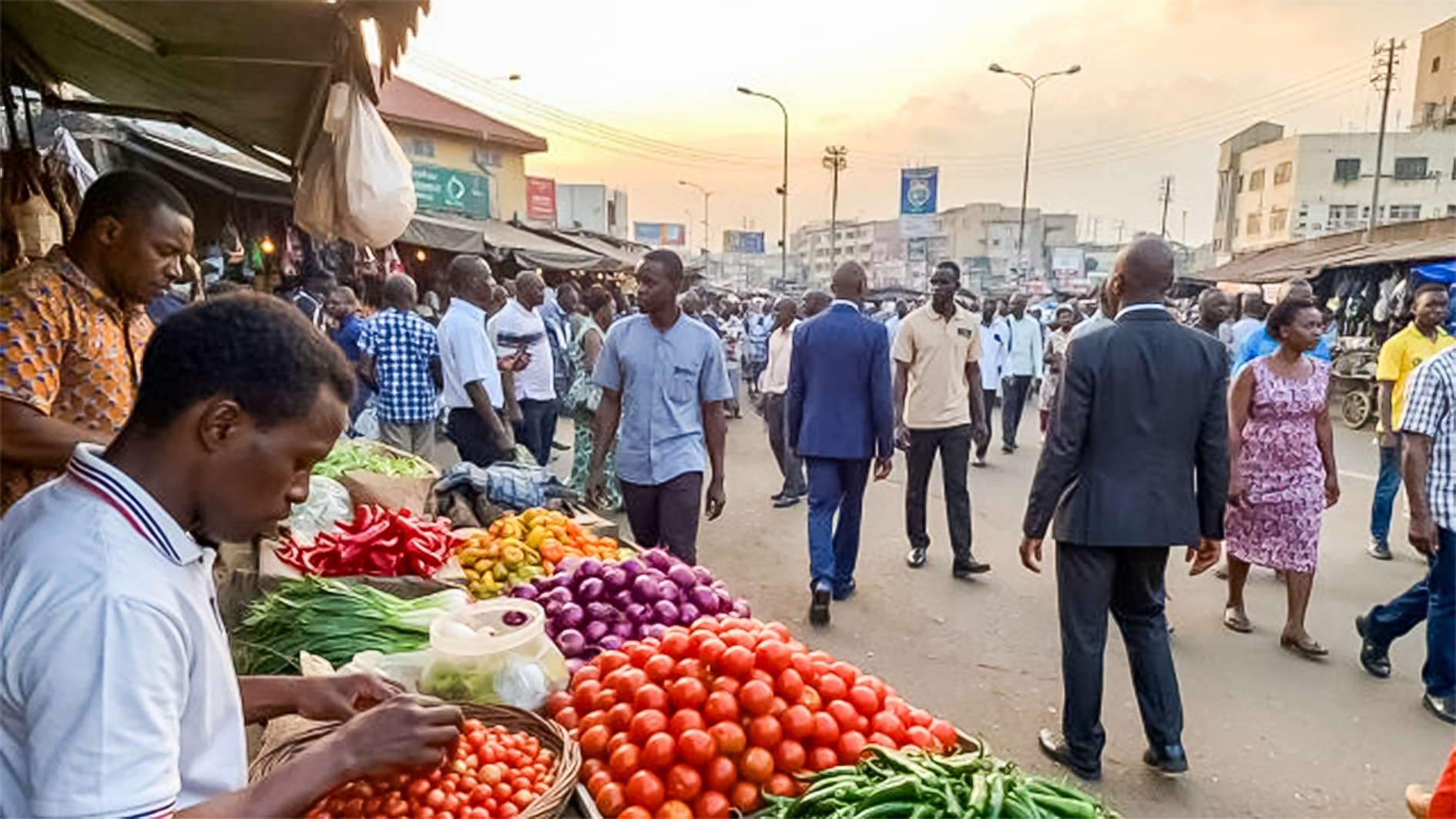
Addressing Nigeria’s Food Waste Crisis: Urgent Call for Action
The European Union (EU) has recently voiced serious concerns regarding Nigeria’s escalating food waste problem. The nation is reported to lose approximately 38 million tonnes of food each year—an alarming figure that ranks Nigeria as the highest in food waste across the African continent.
International Zero Waste Day Highlights Food Waste Reduction
During the observance of International Zero Waste Day in Abuja, the Deputy Ambassador of the EU Delegation to Nigeria and ECOWAS, Zissimos Vergos, emphasized the gravity of the situation. He described the growing food waste crisis as detrimental not only to food security but also to the environment and the economy, stressing the need for immediate action.
Environmental and Economic Implications of Food Waste
Vergos elucidated that the magnitude of food waste in Nigeria demands coordinated action between government authorities, private sector stakeholders, and the general populace to effectively minimize waste throughout the food value chain. He noted that globally, close to one billion tonnes of food were wasted in 2022, and lamented, “This is not just a loss of food; it represents a wastage of valuable resources and a significant opportunity missed against hunger.”
Climate Change and Food Waste
Beyond food security, food loss and waste are major contributors to environmental deterioration, responsible for roughly 10% of global greenhouse gas emissions—nearly five times more than the aviation sector—and about 40% of global methane emissions.
Nigeria’s Initiatives for Sustainable Practices
Highlighting steps taken by the Nigerian government, Vergos referenced several initiatives, including the Nigeria Circular Economy Roadmap and the establishment of an Interministerial Circular Economy Committee. “These initiatives signify Nigeria’s proactive stance—addressing food waste from the grassroots rather than waiting for external solutions,” he stated.
Lessons from the EU for Nigeria
Vergos shared three pivotal lessons drawn from the EU’s experience to assist Nigeria in combating food waste:
- Invest in rural infrastructure, storage, and cold chain facilities to enhance logistical efficiency.
- Encourage the processing of fresh agricultural products into value-added goods, linking smallholder farmers to the market.
- Incorporate zero waste and recycling principles into educational curriculums, emphasizing sustainability from an early age.
Collaborative Efforts to Tackle Food Waste
The EU, in partnership with the Nigerian government and the United Nations Industrial Development Organization (UNIDO), reiterated the urgency of implementing strategies to minimize food waste and promote sustainable consumption practices. They highlighted the resources wasted in food production that also contribute to climate change, thereby affecting global efforts toward a zero-waste future.
Government Commitment and Sustainable Practices
In his keynote address, Nigeria’s Minister of Environment, Balarabe Lawal, reaffirmed the government’s dedication to enhancing environmental protection and sustainable practices that contribute to the health and well-being of Nigerians. He stated, “Food waste is a significant challenge that affects our environment, economy, and society, making it crucial to address this issue for sustainable development.”
Future Initiatives Against Food Waste
Lawal also indicated that the Federal Ministry of Environment had established projects focused on eliminating food waste in major markets across Nigeria, further demonstrating their commitment to addressing this issue at its core. He emphasized that reducing food waste would lower pollution, conserve resources, and foster responsible consumption patterns.
UNIDO’s Role in Supporting Nigeria
Ambassador Philbert Johnson, Director and Representative at UNIDO’s Sub-Regional Office in Nigeria, underscored the essence of food, stating, “Food is essential; it transcends mere commodity status. It is a foundation of wealth, health, and security.” He highlighted the ripple effects of food waste on economies, environments, and communities, reinforcing UNIDO’s commitment to fostering resilient, inclusive, and sustainable agro-industrial systems across Nigeria.
As Nigeria confronts its food waste dilemma, the path forward requires a multifaceted strategy, involving both governmental initiatives and public engagement focused on sustainable practices. The call for action is timely, underscoring the pivotal role of food waste reduction in achieving overall sustainability and food security.
