


Nigeria’s Gas Flaring Crisis: Opportunities and Solutions for a Sustainable Future
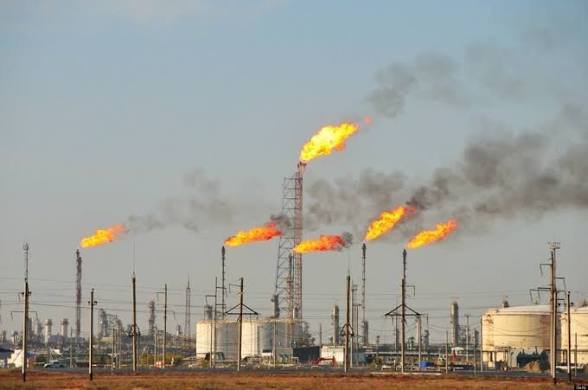
Nigeria is confronted with a staggering loss of approximately $2.5 billion annually due to gas flaring, with more than 300 billion standard cubic feet of gas wasted. This underutilization of resources could power millions of homes, positioning Nigeria to lead Africa’s energy landscape. Analysts emphasize that the potential for harnessing this gas could indeed turn the tide for the country.
The Current State of Gas Flaring in Nigeria
In 2025, Accountability Lab Nigeria released a comprehensive policy brief addressing the continual issue of gas flaring. Despite the enactment of the Petroleum Industry Act (PIA) in 2021, Nigeria has retained its status as the world’s seventh-largest gas flarer, emitting around 7 billion cubic meters of gas each year.
This practice not only leads to grave environmental degradation but also incurs health hazards for communities near the flaring sites, alongside significant economic losses. The Nigeria Extractive Industries Transparency Initiative (NEITI) reported that approximately 183.4 billion standard cubic feet of gas—valued at an estimated $458.5 million—was flared in 2023 alone.
Health Implications of Gas Flaring
The impact of gas flaring extends to health as well. In locations like Obrikom, hospitals have documented high rates of respiratory conditions directly linked to gas flaring pollution, with the community experiencing 1,345 and 2,124 respiratory-related cases from 2013 to 2023.
Air pollution levels resulting from these flares consistently exceed World Health Organization (WHO) safety guidelines, particularly affecting vulnerable populations such as children.
Economic Losses Attributed to Gas Flaring
The economic implications of gas flaring are staggering—the wasted gas could fuel a range of essential services, from power plants to industries and even export opportunities. In the first quarter of 2025 alone, Nigeria lost around 9,900 GigaWatt hours (GWh) of potential power generation, marking a 16% increase from the previous year.
Furthermore, the 2024 figures revealed that Nigeria flared natural gas valued at an incredible $1.05 billion, equating to enough electricity to alleviate persistent blackouts across the country.
Current Challenges and Future Opportunities
Even amidst an abundance of resources, Nigeria’s inability to capitalize on its proven natural gas reserves—estimated at over 215.19 trillion cubic feet—highlights systemic governance flaws and ineffective enforcement mechanisms. Experts advocate for increased penalties that better reflect the ecological and economic consequences of gas flaring, in addition to implementing robust monitoring tools.
Strategic Roadmap for Gas Management
The NNPC Limited Gas Master Plan, launched in January 2026, aims to reshape the future of Nigeria’s gas landscape by vigorously pursuing disciplined execution and investment opportunities. The ambitious target is to boost national gas production to 10 billion cubic feet per day by 2027, laying the groundwork for the “Decade of Gas” initiative.
The plan outlines various strategies, including establishing decentralized gas clusters and milestones for infrastructure development, with an anticipated injection of $2 billion in private investments. By commercializing flared gas, Nigeria has the potential to dramatically reduce emissions, create myriad job opportunities, and assert itself as Africa’s leading gas economy.
Nigeria’s Role in Africa’s Energy Future
As discussions about gas as a “transition fuel” gain traction, Nigeria’s position as a gas-rich nation could redefine energy access in Africa. Although this narrative sometimes conflicts with global “green-only” advocacy, it’s essential to recognize that a balanced approach incorporating gas can solve immediate energy challenges faced by millions.
Furthermore, Nigeria’s involvement in significant projects such as the Nigeria-Morocco Atlantic Gas Pipeline and the Trans-Saharan Gas Pipeline highlights its potential to influence regional energy markets strategically.
Turning Challenges Into Opportunities
By transforming the flares into useful energy sources, Nigeria stands to achieve zero routine flaring and substantially contribute to its Nationally Determined Contributions under the Paris Agreement. This strategic pivot will not only yield profound economic benefits but also showcase a compelling model for sustainable development across the continent.
To fully unlock this potential, swift and transparent execution of the NGFCP and focused governmental policies are critical. Leveraging flared gas now could light a path towards a more resilient and prosperous Nigeria, serving as an example for resource-rich nations globally.
In conclusion, Nigeria has a critical choice to make: either continue as the world’s seventh-largest gas flarer or embrace a transformative strategy that positions it as the continent’s energy powerhouse. The orange glow of flares could very well symbolize the beginning of a new era in Africa’s energy story.
