

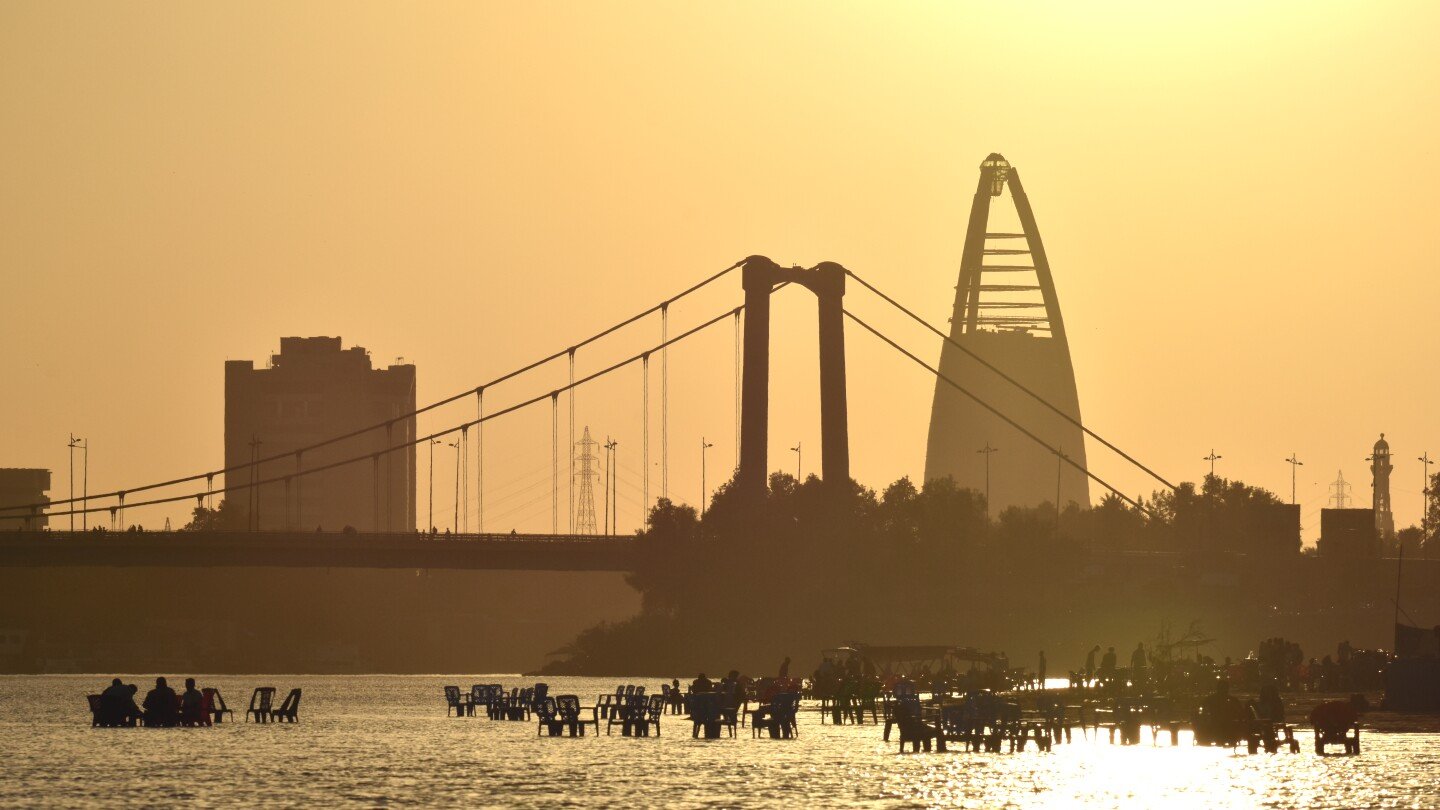
Iran’s Strategic Moves in Sudan and Their Global Implications
The ongoing civil war in Sudan has overshadowed significant geopolitical maneuvers occurring just beyond the headlines. While the focus remains primarily on Gaza, Lebanon, and the Gulf, Iran’s re-establishment of diplomatic ties with Sudan is subtly transforming the region’s balance of power. This development provides further impetus for a decisive end to Sudan’s turmoil, especially considering Tehran’s increasing military presence there.
Diplomatic Ties and Military Support
In October 2023, Sudan and Iran rekindled their diplomatic relationship after a 32-year hiatus. Following this reconnection, Iran began steadily supplying weaponry to General Abdel Fattah al-Burhan’s Sudanese Armed Forces, fundamentally altering the dynamics of the internal conflict. As armed factions vie for control, Sudan is emerging as the western cornerstone of Iran’s strategic alliance network.
“Iran has steadily supplied weapons to General Abdel Fattah al Burhan’s Sudanese armed forces,” indicates the crucial role Tehran plays in this local power struggle, which has now gained regional significance.
Tactical Developments
By late March 2026, battlefield footage illustrated Iranian drones surveying Khartoum, accompanied by military trainers instructing Sudanese recruits. Such engagement transcends mere logistical support; it instills loyalty among Sudan’s military ranks, echoing Iran’s earlier involvement with groups like the Houthis in Yemen. This deepening military relationship enables Sudan to gain a vital ally along the strategically important Red Sea.
Since the onset of civil strife between the Sudanese army and the Rapid Support Forces in April 2023, Burhan’s troops struggled against their rivals, who benefited from Gulf financing and advanced drone technology. Iran’s backing began in late 2023, with flights delivering various attack and surveillance drones to Port Sudan. By early 2025, these armaments shifted the tide in favor of Burhan’s forces, allowing them to reclaim territories, including Omdurman, and fortify their positions across Sudan.
Strategic Foothold on the Red Sea
Iran seeks both military leverage and a strategic foothold in Africa by supporting Sudan. The location is increasingly pivotal, especially given previous setbacks faced by Houthi forces. Iran’s foray into Sudan is not merely a bid for influence; it also serves as a listening post for monitoring naval activities from the U.S., Saudi Arabia, and the UAE.
Sudan’s importance amplifies as it aligns with Iranian interests. “A Sudan that aligns with Iran completes a trap that squeezes the Red Sea corridor,” where the Houthis control the southern end, leaving Port Sudan in the north as a critical juncture for global trade.
Impact on Global Trade and Regional Stability
The Red Sea corridor is essential for international commerce, facilitating trade between Asia and Europe. Houthi drone operations since October 2023 have already necessitated lengthy shipping detours, causing increased shipping costs and supply chain delays—issues that affect energy prices in Europe as well.
While Port Sudan currently resists becoming an official naval base, the exchange of arms for access suggests Iran is laying the groundwork for expanded operations. With airfields and a lengthy coastline at their disposal, Tehran’s influence threatens to tighten its grip on a significant part of the global economy.
Influence Across the Sahel
Beyond Red Sea access, Sudan offers Iran an opportunity to penetrate deeper into Africa, particularly into the Sahel region, encompassing Mali, Niger, Burkina Faso, and Chad. These areas face governmental instability, presenting opportunities for Iranian partnerships that are often hostile to Western interests.
Tehran’s inexpensive drone technology and mixed-militia strategies are likely to flow southward, combining strict military discipline with religious ideology. By 2027, a single drone factory in Sudan could supply arms to various rebel groups across the Sahel, potentially altering the continent’s geopolitical landscape.
The Need for Urgent Action
Global leaders, particularly from the U.S. and Europe, currently view Sudan primarily through a humanitarian lens, emphasizing aid while neglecting the arms buildup occurring behind the scenes. Iranian military support is tightening its hold on Sudan, as Burhan continues to demand the surrender of rivals amid escalating violence.
“The supply line needs to be cut now before Sudan’s massive army becomes Iran’s African legion,” is a pressing call for action. If unchecked, this growth could lead to a permanent Iranian military presence in Khartoum, featuring drone bases and electronic surveillance stations.
Gulf nations must recognize this as a serious defense issue. Preventive measures should focus on halting the flow of finances between Iran and Sudan’s military. Additionally, intelligence efforts must scrutinize potential training operations in regions like Uganda, while countries such as the UAE, Saudi Arabia, and Egypt should restrict Iranian access to their ports.
Global Implications of Iranian Expansion
Should Tehran successfully consolidate control over both coasts of the Red Sea, it will dramatically reshape global geopolitics. Ignoring the growing crisis extends beyond a mere regional concern; it signals the potential establishment of a significant Iranian foothold throughout Africa.
The troubles brewing in Khartoum are not merely a local issue—they represent a catalyst for a wider regional empire. Therefore, the need for attentiveness and action is paramount to prevent an expanding Iranian front from establishing itself on the African continent.
This article provides an overview of Iran’s strategic maneuvers in Sudan and their potential global consequences. For more on the geopolitical dynamics in this region, refer to sources like Council on Foreign Relations and International Crisis Group.
