

DR Congo Qualifies for the 2026 World Cup: A Historic Moment for African Football
The Democratic Republic of Congo (DR Congo) has officially secured its spot as the tenth African nation to compete in the 2026 FIFA World Cup, making a monumental return to the finals after a 52-year absence. The Leopards clinched their qualification by defeating Jamaica 1-0 during an intercontinental playoff held on March 3, with Axel Tuanzebe scoring the decisive goal in extra time.
African Teams Heading to the 2026 World Cup
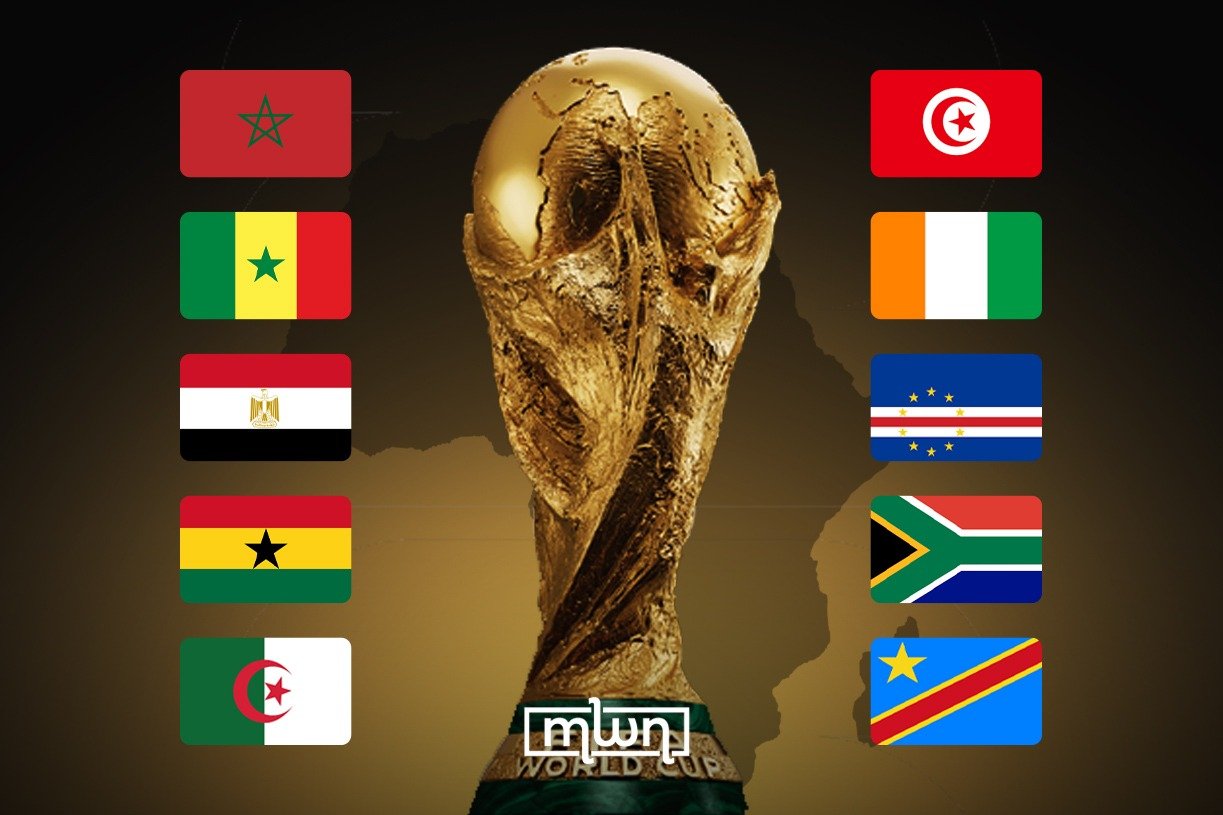
This year’s tournament will see a record number of ten African teams participating, a significant milestone for the continent in the realm of international football. The qualified teams are:
- Morocco (MAR)
- Senegal (SEN)
- Egypt (EGY)
- Ghana (GHA)
- Algeria (ALG)
- Tunisia (TUN)
- Côte d’Ivoire (CIV)
- Cape Verde (CPV)
- South Africa (RSA)
- DR Congo (DRC)
Breakdown of Groups for African Qualifiers
The qualified teams from Africa will face challenges in their respective groups:
- Morocco (MAR) – Group C: Brazil, Morocco, Scotland, Haiti
- Senegal (SEN) – Group I: France, Senegal, Norway, Iraq
- Egypt (EGY) – Group G: Belgium, Egypt, Iran, New Zealand
- Ghana (GHA) – Group L: England, Croatia, Ghana, Panama
- Algeria (ALG) – Group J: Argentina, Algeria, Austria, Jordan
- Tunisia (TUN) – Group F: Netherlands, Japan, Tunisia, Sweden
- Côte d’Ivoire (CIV) – Group E: Germany, Ivory Coast, Ecuador, Curaçao
- South Africa (RSA) – Group A: Mexico, South Africa, South Korea, Czechia
- DR Congo (COD) – Group K: Portugal, DR Congo, Colombia, Uzbekistan
- Cape Verde (CPV) – Group H: Spain, Uruguay, Saudi Arabia, Cape Verde
The Legacy of African Nations at the World Cup
1. Morocco (MAR)
Morocco stands out as one of the most successful African teams in World Cup history. Their first breakthrough came in 1986 when they topped their group and reached the knockout stage. Their historic performance in the 2022 World Cup saw them make headlines by defeating Spain and Portugal, becoming the first African country to reach the semifinals.
2. Senegal (SEN)
Senegal’s World Cup history began with an incredible upset against France in 2002. They advanced to the quarter-finals, showcasing their tactical prowess. Despite a difficult exit in 2018, they returned in 2022 to reach the Round of 16, reaffirming their status as a competitive team.
3. Egypt (EGY)
As the first African nation to participate in the World Cup in 1934, Egypt boasts a storied history that contrasts with their lack of victories. Their three appearances in the finals have yet to yield a win, but the presence of stars like Mohamed Salah has kept fans hopeful.
4. Ghana (GHA)
Ghana has offered some of the most dramatic moments in World Cup history, particularly their near-semifinal achievement in 2010, which is tied to one of the tournament’s most memorable matches against Uruguay.
5. Algeria (ALG)
Algeria has made a mark with historic victories, including a notable upset over West Germany in 1982. Their recent performance in the 2014 World Cup, where they reached the Round of 16, showcased their resilience.
6. Tunisia (TUN)
Tunisia was the first African team to win a World Cup match in 1978. Though they have yet to advance beyond the group stage, their competitive spirit is well recognized, illustrated by their upset of France in 2022.
7. Côte d’Ivoire (CIV)
Known for its talented players, the Ivory Coast has struggled to advance past the group stages despite qualifying for three consecutive tournaments. Their "Golden Generation," featuring Didier Drogba, faced fierce competition.
8. Cape Verde (CPV)
Cape Verde’s qualification marks a significant achievement for the island nation as they aim to make an impact on the world stage. Their rise reflects strong development in their domestic football structure.
9. South Africa (RSA)
As the first African nation to host the World Cup in 2010, South Africa’s journey is marked by its cultural significance and competitive spirit.
10. DR Congo (COD)
With a notable history dating back to 1974, DR Congo aims to redefine its legacy as it returns to the World Cup after decades. Despite their challenging past, they hope to build on their history and perform strongly.
Conclusion
The upcoming 2026 FIFA World Cup represents not only a celebration of football but also a testament to the growth and success of African nations on the global stage. With each country bringing its unique story, the tournament promises to be a showcase of talent, resilience, and unwavering spirit in the world of football. For detailed reports and team histories, visit the official FIFA website.
