

The Future of Trade: Strategic Shifts in Global Maritime Routes
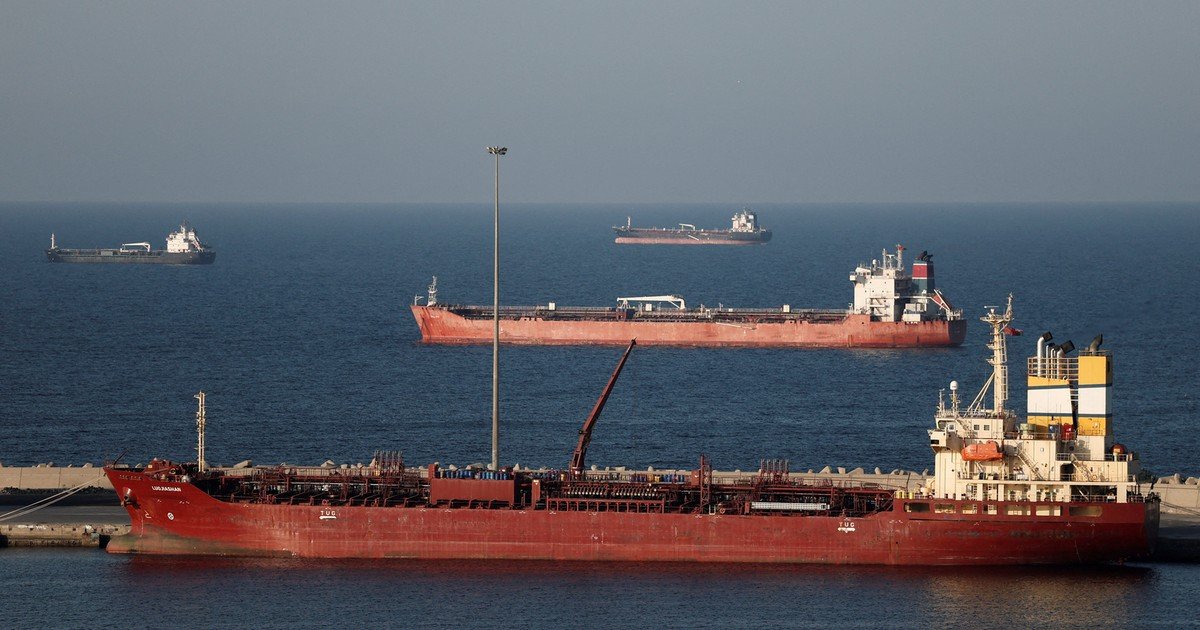
Rising geopolitical tensions in the Strait of Hormuz are urging nations worldwide to rethink their trade strategies. As concerns about potential disruption to this vital waterway grow, countries are actively exploring alternative routes for trade and logistics.
Urgent Need for New Trade Pathways
The urgency surrounding these shifts has escalated due to predictions that any extended disruptions in the Strait of Hormuz could severely limit global oil supply. Analysts warn that crude oil prices could surge to as high as $200 per barrel, making the need for reliable trade routes more pressing than ever.
One such alternative route that is gaining attention is the Strait of Gibraltar. Recognized for its strategic advantages, this route could potentially support increased trade and logistical movements, serving as a lifeline for goods flowing into and out of Europe.
The Gibraltar Corridor: A Critical Maritime Gateway
Significance of the Strait
The Strait of Gibraltar is the only natural connection between the Atlantic Ocean and the Mediterranean Sea, ranking among the busiest maritime routes globally. Approximately 300 vessels cross through it daily, highlighting its importance in international shipping.
Historically, this strait served as the sole access point to the Mediterranean before the Suez Canal opened in 1869. Currently, discussions about enhancing this route include ambitious plans for a subsea rail tunnel that would connect Morocco and Spain, representing a significant logistical advancement.
Proposed Subsea Rail Tunnel
The envisioned tunnel—a project first conceived in a 1979 agreement—has gained momentum in recent years. A recent feasibility study by the German firm Herrenknecht determined that current technology could successfully implement the project. Expected costs are estimated between €15 billion and €20 billion, with Spain’s financial share projected at over €8.5 billion.
The tunnel would consist of two rail tubes designed for both passenger and freight services. Once constructed, it aims to reduce journey times to about 30 minutes, drastically improving trade efficiency.
Project Status and Next Steps
Currently, a detailed blueprint being prepared by the Spanish consultancy Ineco may receive approval as early as 2027. This ambitious project, overseen by Spain’s SECEGSA and Morocco’s SNED, is projected to span roughly 42 kilometres, with about 27 kilometres of this distance submerged underwater.
Trade and Logistical Implications
The subsea rail tunnel could transform North Africa into a logistics hub, directly linking African production centers to European markets. This move aligns with broader efforts, such as the African Continental Free Trade Area, aimed at enhancing trade connectivity.
Engineering Challenges Ahead
Despite the promising outlook, the project faces significant engineering challenges. Plans for a bridge were scrapped in 1996 due to severe conditions in the Strait of Gibraltar, marked by deep waters reaching depths of up to 900 meters and heavy maritime traffic. Current proposals focus on constructing a deep rail tunnel through the Camarinal Sill, with depths reaching approximately 475 meters below sea level.
Engineers must navigate unstable geological formations, including various rock and clay layers, and manage seismic risks prompted by the Azores–Gibraltar fault line.
A project engineer emphasized that "these conditions require a structure that can withstand both high pressure and seismic movement over decades."
Conclusion: A New Chapter in Global Trade
If successfully completed, the subsea tunnel could revolutionize travel between Africa and Europe, significantly reducing transit times for passengers and freight. This initiative is not just about improving logistics; it represents an essential step in strengthening Africa’s role in global supply chains, ultimately enhancing economic cooperation between continents.
For more insights into global trade routes and logistics advancements, consider exploring topics on maritime strategy and international trade logistics.
