

South Africa’s Energy Transition: A New Era of Investment
South Africa is witnessing a profound transformation in its energy landscape, with significant investment commitments that signal a shift from recovery to expansion. Over R2 trillion has been allocated for new generation capacity, and R440 billion is earmarked for transmission infrastructure. This revitalization is underpinned by a clear government commitment to infrastructure development and policy reform, providing a fertile ground for private sector participation.
The Catalyst for Economic Growth
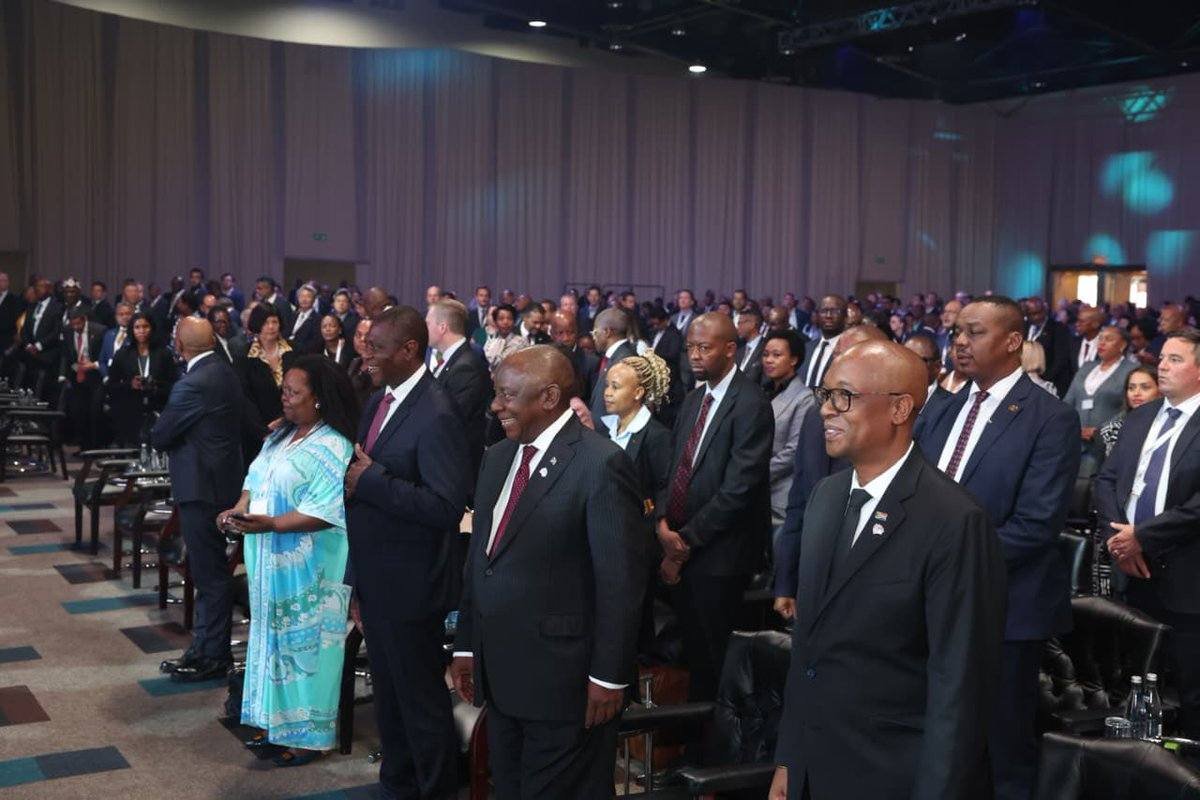
The recent 2026 South Africa Investment Conference marked a pivotal moment for the country’s energy sector. As a central pillar of the new investment cycle, the energy domain is highlighting the dual role it plays as both a challenge and an enabler for economic growth. A notable portion of the investment has been led by domestic players, though foreign direct investment is steadily increasing, complemented by growth in development finance.
One of the most striking commitments comes from Toyota, which has pledged R10.4 billion in KwaZulu-Natal to support the decarbonization of its automotive operations. Similarly, Sasol has announced a R60 billion investment aimed at modernizing and transitioning its energy-intensive facilities in Mpumalanga and the Free State. Such initiatives demonstrate a clear industry trend towards cleaner energy systems and enhanced operational efficiency.
Government Initiatives Fueling Change
Electricity and Energy Minister Kgosientsho Ramokgopa has unveiled a robust Integrated Resource Plan that envisions over R2 trillion in new generation investment and R440 billion directed towards improving transmission networks. Notably, part of this expansion will involve independent transmission projects, signifying a structural shift toward greater private sector engagement.
This push towards grid enhancement is crucial for unlocking renewable energy deployment and addressing existing constraints. South Africa’s rich wind and solar resources, combined with an evolving regulatory framework, position the nation as an attractive destination for energy investments.
Market Restructuring for Improved Efficiency
The government is reforming the electricity sector to introduce competition and reduce reliance on a single dominant utility, which is expected to drive efficiency, foster innovation, and ultimately lower long-term electricity costs. These reforms are set to benefit energy-intensive industries while enhancing the resilience of the overall system.
Furthermore, opportunities in energy-related logistics and infrastructure are emerging as the government opens corridors for private operators. Transport Minister Barbara Creecy highlighted that projects linked to export pathways for coal, manganese, and future green energy value chains are on the horizon.
Economic Impact and Growth Projections
Finance Minister Enoch Godongwana suggests that energy and logistics reforms could elevate GDP growth from around 1.6% to beyond 3%, provided fiscal and inflation conditions remain stable. The improvement in inflation and public finances bolster investor confidence, even amidst global energy market volatility.
Trade Industry and Competition Minister Parks Tau outlined the government’s commitment to accelerating project execution. This includes regulatory reforms aimed at streamlining approvals, digitizing permitting processes, and fast-tracking licenses under the proposed Omnibus Fast Tracking Act, all intended to eliminate bottlenecks that have historically hindered large-scale projects.
Bridging the Gap Between Intent and Action
Despite previous investment cycles garnering R1.5 trillion in commitments, there remains some uncertainty regarding execution rates and their subsequent impact on growth and job creation. The government asserts that a significant portion of these funds is already being channeled into the real economy. The current focus is on effectively converting these pledges into operational energy assets and infrastructure.
President Cyril Ramaphosa emphasized that South Africa’s energy transition is now supported by irreversible reforms. With decarbonization, digitization, and diversification shaping the nation’s energy mix and industrial strategy, the energy sector is poised to be a major driver of capital deployment and long-term sustainability.
Conclusion
With substantial generation and transmission expansions, coupled with increasing private sector involvement, South Africa is strategically positioning its energy sector at the forefront of its economic growth agenda. As the country seeks to double fixed investment over time, the energy domain will continue to be a pivotal force for attracting global energy investments.
For more insights into national policies and investment opportunities, you can visit the South Africa Investment Conference and explore various energy projects designed to elevate the country’s economic landscape.
