

Financial Leaders Gather at The Africa Capital Forum to Boost Nigeria’s Economic Future
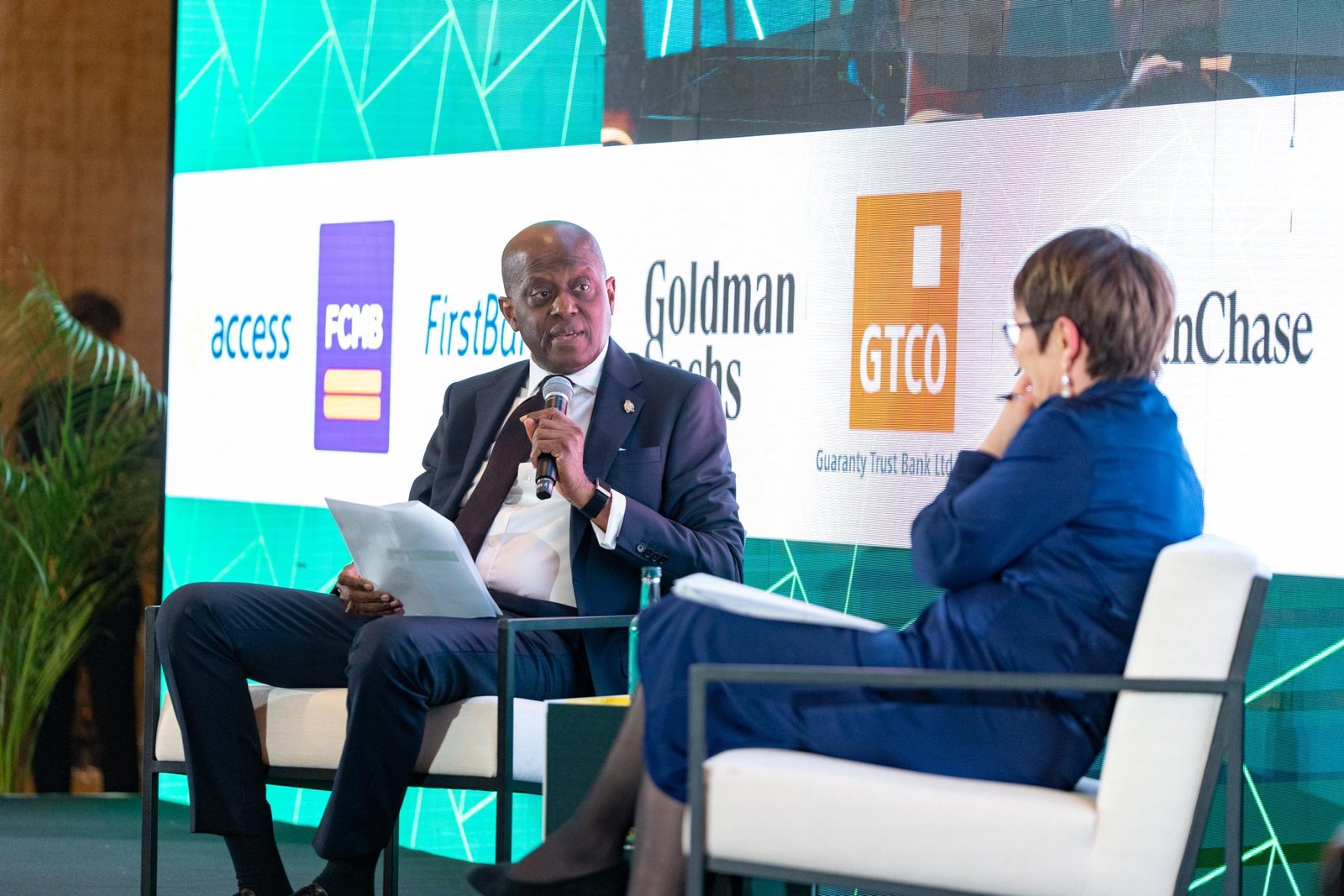
Senior leaders from prestigious financial institutions convened at The Peninsula London for The Africa Capital Forum, a pivotal gathering aimed at unlocking capital for Nigeria’s expansive economy. This high-level event brought together central banking officials, global investors, and leaders from Nigeria’s financial sector to strategize on sustainable capital mobilization.
The Significance of the Forum
The event, organized in collaboration with the Central Bank of Nigeria (CBN) during the official visit of His Excellency Bola Ahmed Tinubu, President of Nigeria, spotlighted the resilience and transformation of Nigeria’s financial landscape. The theme, "From Stabilisation to Capital Mobilisation," set the foundation for in-depth discussions that spanned several panels and a keynote session.
Insights from Keynote Speakers
CBN Governor Olayemi Cardoso delivered a compelling address, contextualizing the forum’s importance against the backdrop of Nigeria’s recent economic challenges. Acknowledging the severity of the country’s financial crisis, he stated, “Nigeria has arguably gone through one of its worst financial crises,” noting a staggering inflation rate of 37% and the resultant economic strain.
Governor Cardoso revealed a renewed confidence in Nigeria’s financial system, stating, “The financial system we had is dead and buried. What we have now is a new system that has brought liquidity and transparency.” His sentiments were echoed by Odile Renaud-Basso, President of the European Bank for Reconstruction and Development (EBRD), who highlighted the significant potential for growth within the country.
Strengthening Partnerships
During the opening remarks, Jonny Baxter, British Deputy High Commissioner in Lagos, emphasized the strong UK-Nigeria economic ties. Highlighting that the UK represents nearly half of capital inflows into Nigeria, he stated, “The next phase of the reform agenda should focus on converting renewed investor interest into long-term, sustainable investments.”
Institutional Support and Governance
EBRD’s Managing Director for Policy Strategy and Delivery, Melis Ekmen Tabojer, reaffirmed the institution’s commitment to Nigeria. “Our investments come with institutional governance support. We consider ourselves long-term investors,” she noted, solidifying EBRD’s position as a crucial ally in Nigeria’s economic reform journey.
Structural Changes in Nigeria’s Banking Sector
The Forum’s discussions included an examination of Nigeria’s expanding banking sector, marked by significant recapitalization efforts aimed at enhancing market capacity. Yemisi Edun, CEO of First City Monument Bank, noted, “The raised capital has created an expansion of credits,” indicating that these changes offer banks greater credibility in expanding their operations.
Segun Alebiosu, CEO of First Bank of Nigeria, reinforced this by discussing how currency reforms will enable Nigerian banks to handle larger transactions. “We can do more and crowd in new investments,” he asserted.
Digital Transformation and Fintech Innovation
The role of digital infrastructure and fintech in attracting diaspora capital also took center stage. Experts like Luis Oganes of J.P. Morgan indicated that Nigeria’s evolving fintech landscape positions it as an emerging ecosystem in sub-Saharan Africa. Temi Popoola, CEO of Nigerian Exchange Group, emphasized the transformational role of technology in capital markets.
Building Long-Term Confidence
During the discussions, several leaders addressed the issue of reform fatigue, particularly in the context of the global economic landscape. Roosevelt Ogbonna, CEO of Access Bank, stressed, “This time there is reform credibility,” emphasizing alignment between fiscal and monetary policies.
The Call for Transparency
Steve Gray OBE of UK Export Finance highlighted the necessity for transparency, noting that opacity has historically contributed to investment hesitancy in Africa. His advocacy for fiscal transparency resonated throughout the Forum, with calls for external recognition of Nigeria’s innate strengths.
Conclusion: A Path Towards Sustainable Growth
The Africa Capital Forum provided an essential platform for stakeholders to forge alliances and discuss strategies aimed at capitalizing on Nigeria’s economic potential. With a unified commitment to transparency, consolidation of reforms, and a focus on long-term investments, Nigeria stands on the precipice of a transformative economic journey.
Further Reading
For more insights on Nigeria’s economic strategies and reforms, check the following resources:
- Central Bank of Nigeria
- European Bank for Reconstruction and Development
- British International Investment
In summary, the collaboration between local and international stakeholders, complemented by effective governance, may well steer Nigeria towards a prosperous economic future.
