

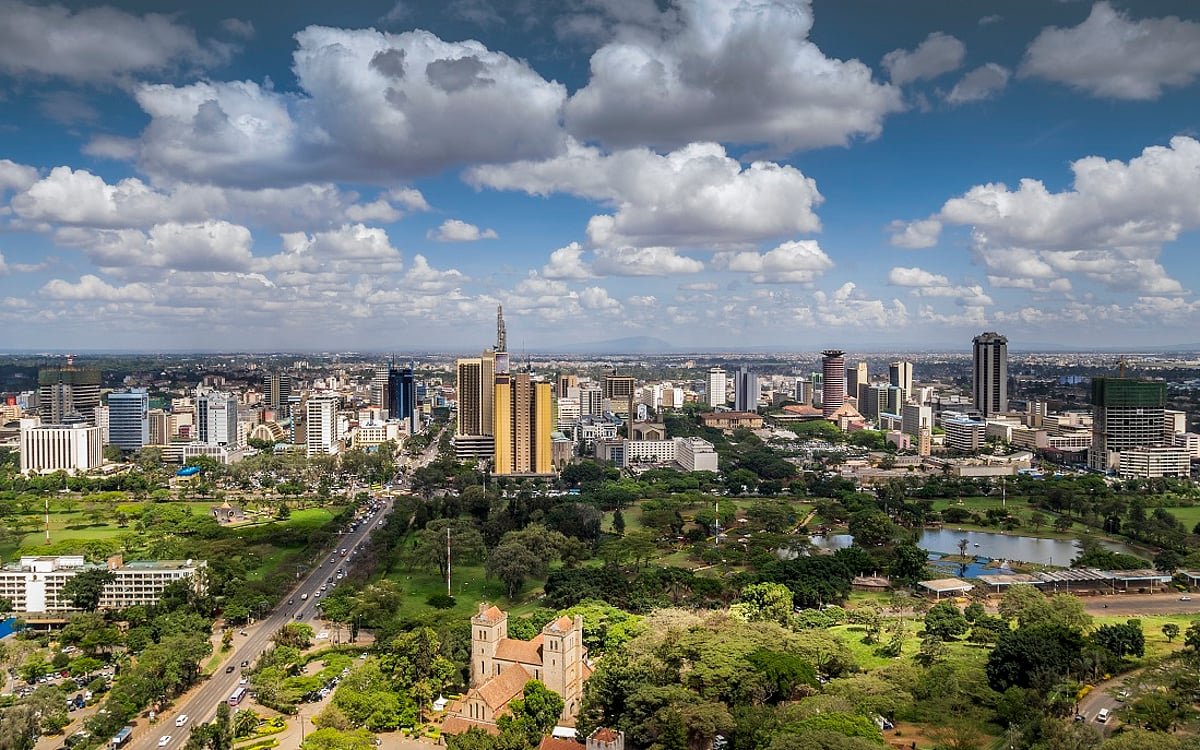
Nairobi Emerges as a Leading City in Global Attractiveness Index
Kenya’s capital, Nairobi, has claimed the 56th position out of 80 emerging and fast-growing cities globally, as outlined in the recently released Global Attractiveness Index. This detailed report was unveiled on March 23, 2026, during the Climate Change Business Summit held in Nairobi.
Ranking Highlights
The Global Attractiveness Index (GAI) evaluates cities based on their capacity to attract and sustain capital, talent, and services. Nairobi ranked 11th across Africa and secured the 6th position in Sub-Saharan Africa, demonstrating its emerging stature on the global stage.
Economic Resilience
Nairobi’s economic prowess is evident, as it ranked 39th globally, 9th in Africa, and 5th in Sub-Saharan Africa in terms of economic performance. The city boasts a diversified economy and an affordability factor that enhances its competitiveness among peer cities, reaffirming its role as a major commercial hub in Eastern Africa.
Nairobi: A Green Metropolis
Recognized for its robust environmental performance, Nairobi ranks 35th globally, 5th in Africa, and 4th in Sub-Saharan Africa. The city excels in air quality, public transport coverage, and green spaces, surpassing many other major African metropolitan areas. This strong environmental framework is particularly advantageous amid the challenges posed by rapid urbanization.
Addressing Structural Challenges
Despite these strengths, the index reveals significant challenges in Nairobi’s social and infrastructure dimensions.
Social Conditions and Challenges
Nairobi’s Social Index ranking stands at 73rd globally, 21st in Africa, and 16th in Sub-Saharan Africa, indicating profound challenges in basic living conditions. A critical observation highlights that only 27.93% of the population has access to safely managed sanitation services, while 40.5% resides in slum settlements. These statistics reveal serious gaps in urban living standards and social inclusion, representing crucial barriers to enhancing Nairobi’s overall social performance.
Urban Infrastructure Constraints
Nairobi’s infrastructure challenges further affect its global competitiveness, with a global rank of 65th, 18th in Africa, and 13th in Sub-Saharan Africa. The index points out notable deficiencies in essential services like electricity, water supply, and particularly in digital connectivity and sanitation systems. With only 41.6% of residents using the Internet and just 31.8% connected to sewerage systems, substantial infrastructural shortcomings remain. Although access to clean drinking water shows commendable progress, it is insufficient to outweigh the critical deficits in digital and sanitation infrastructure.
Future Prospects and Recommendations
The report emphasizes that enhancing city attractiveness will hinge on addressing core structural systems such as infrastructure, digital connectivity, and basic services. Fostering a supportive business environment and ensuring inclusive urban growth are vital steps toward strengthening Nairobi’s position in the global landscape.
For further insights into Nairobi’s economic, environmental, and infrastructural performances, refer to the Global Attractiveness Index.
