

The Harlem Renaissance: A Transformation of Black Art and Identity
Introduction
The Harlem Renaissance was a pivotal moment in African American history that transcended literature to encompass visual arts, music, and theater. This movement emerged from the desire of Black artists to reclaim the representation of their culture from caricature and denigration while establishing a distinct aesthetic rooted in African traditions.
Emergence of New Artistic Trends
Visual Arts Before the Renaissance
Before World War I, Black artists in the United States frequently shied away from exploring African American themes. However, the end of the 1920s saw a dramatic shift as artists began integrating Black aesthetic traditions, including influences from African and folk art. Notable sculptor Meta Warrick Fuller captured this awakening in her 1914 work, Ethiopia Awakening, which symbolizes rebirth and cultural resurgence through its powerful depiction of a Black woman.
Aaron Douglas: The Icon of the Renaissance
Among the transformative figures of this era was Aaron Douglas, known for his distinctive style that combined elements of Art Deco, ancient Egyptian art, and abstract forms. After relocating to New York City and studying under Winold Reiss, Douglas crafted geometrical representations of Black characters, imbuing his artwork with themes of racial pride and spiritual yearning. His illustrations for James Weldon Johnson’s God’s Trombones redefined Christian iconography by placing Black subjects in prominent roles, thereby addressing themes of collective Black experience in American history.
Artistic Flourishing Beyond Harlem
Despite the significance of Harlem, many Black artists found inspiration abroad, particularly in Paris during the 1920s. Yet, by the late 1920s and early 1930s, exhibitions and contests in the United States attracted artists such as Palmer C. Hayden, Archibald J. Motley, Augusta Savage, and Richmond Barthé, all of whom contributed to a burgeoning Black art scene. These artists often drew from folk narratives and realities of African American life, laying the groundwork for future generations.
The Role of Institutions in Artistic Development
As the Great Depression necessitated a return of many artists from Europe, New York City emerged as a vibrant center for art education. The establishment of institutions such as the Museum of Modern Art and the Harlem Community Art Center, where Augusta Savage served as the first director, provided unprecedented support for Black artists. Meanwhile, federal arts initiatives during the New Deal period further encouraged the development of new Black talent.
Legacy of the Harlem Renaissance
Influence on Future Generations
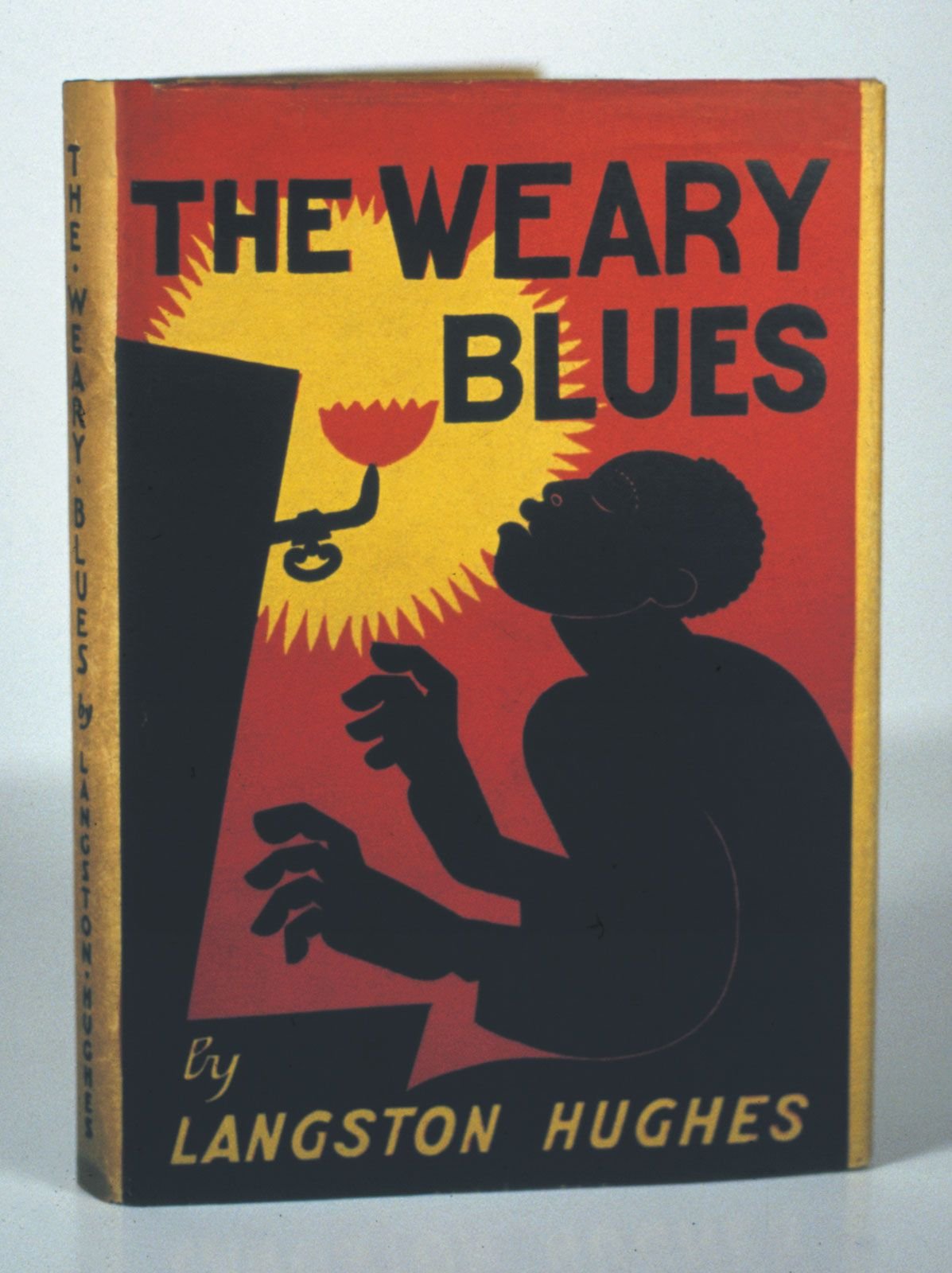
In the late 1930s, some African American writers sought to distinguish their work from the earlier trends of the Harlem Renaissance. Writers such as Langston Hughes and Zora Neale Hurston continued to draw from the earlier movement, while figures like Richard Wright critiqued the previous generation’s approach. Their works often reflected the struggles of the Black working class, creating a bridge between past and future literary endeavors.
Global Impact and Cultural Authority
The Harlem Renaissance not only influenced American culture but also garnered international recognition. Works by Claude McKay and Countee Cullen found audiences in Europe, inspiring movements like Negritude among Francophone intellectuals. Although the renaissance did not achieve the anticipated sociopolitical transformation, it significantly enhanced the visibility and authority of Black writers and artists, establishing a continuous evolution of Black culture within the Western artistic landscape.
Conclusion
The legacy of the Harlem Renaissance endures as it reshaped perceptions of Black identity while cultivating a unique artistic voice. This movement served as a foundation for future generations, ensuring that Black culture would not merely exist in the margins but would engage with and transform the narrative of American art and literature. For anyone interested in understanding the complexities of Black representation in art and literature, the Harlem Renaissance remains an essential study.
