

Exploring the Harlem Renaissance: A Cultural Revolution
The Harlem Renaissance marked a pivotal moment in American culture, defined by an explosive interest in Black heritage and a movement toward establishing a distinctive American culture. This period, occurring in the early 20th century, coincided with efforts to promote cultural pluralism, allowing ethnic groups to coexist harmoniously instead of conforming to a singular narrative. Philosopher Horace Kallen’s concept of cultural pluralism, coined in 1915, called for a diverse tapestry of cultures to flourish side by side, which was echoed in W.E.B. Du Bois’s influential work The Souls of Black Folk.
The Rise of the “New Negro” Movement
At the heart of this cultural shift was the emergence of the “New Negro” movement, spearheaded by figures like Du Bois and NAACP colleague James Weldon Johnson. They asserted that African Americans uniquely shaped exclusively American expressive traditions, arguing that their historical struggles for freedom positioned them as the vanguard of democracy and art in the United States. This viewpoint gained traction as African American music, particularly blues and jazz, began to capture global attention.
The Musical Pulse of the Renaissance
The Harlem Renaissance resonated with the rhythms of blues and jazz, which became icons of Black American culture and the Jazz Age. The commercialization of black music through “race records” in the 1920s allowed artists like Mamie Smith and Bessie Smith to reach wider audiences. This music profoundly expressed the longings of the Black working class, providing a voice that echoed in the arts, literature, and beyond.
Jazz: A Revolutionary Art Form
Emerging from the blues, jazz migrated northward to cities like Chicago and New York in the wake of World War I. The 1920s witnessed the evolution of jazz orchestras into larger ensembles as musicians like Louis Armstrong reshaped the genre. No longer merely associated with brothels or circuses, jazz gained respect and transformed into a high art form with influential figures like Duke Ellington and artists like Cab Calloway leading the charge.
A Cultural Phenomenon: The “Negro Vogue”
The early 1920s saw a burgeoning “Negro Vogue,” particularly in cities like New York and Paris, where white audiences embraced Black musical talent and the unique vitality of African American culture. This era also gave rise to renowned nightclubs, such as the Cotton Club, showcasing Black talent while paradoxically excluding Black audiences.
The Question of “Negro Art”
With jazz’s international acclaim, Black intellectuals turned towards distinctly “Negro” aesthetic forms as innovative self-expressions. The groundbreaking Broadway musical Shuffle Along, created by Eubie Blake and Noble Sissle in 1921, showcased the belief that Black narratives deserved a rightful place on stage. Florence Mills and Josephine Baker further elevated African American performance art, achieving fame across racial lines and establishing a presence in international artistic circles.
Publishing and Literary Expression
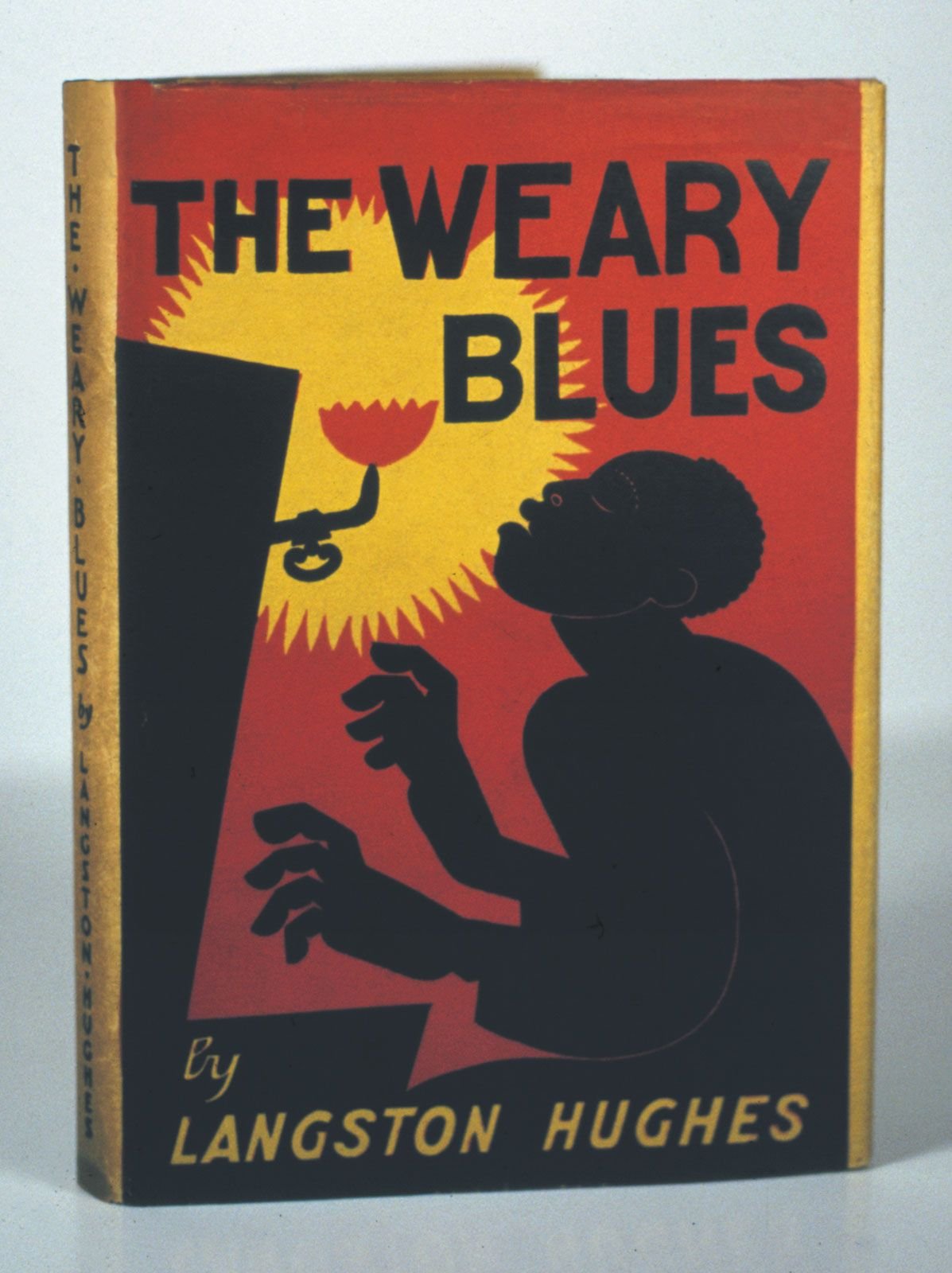
As the Harlem Renaissance flourished in music and arts, new publishing houses began welcoming Black authors, moving away from the dominance of British literary traditions. Publishers like Alfred A. Knopf and Boni & Liveright jumped on the burgeoning interest in "Negro" topics stemming from a cultural renaissance. Events such as the Civic Club banquet in 1924 helped solidify a movement that celebrated Black literary talent, leading to Alain Locke’s influential publication The New Negro: An Interpretation.
Divergent Artistic Voices
Locke’s goal of steering the movement towards folk values and self-expression did not equate to a unified artistic vision; rather, it highlighted the diversity of thoughts among Black artists. From Du Bois’s advocacy for distinct aesthetics derived from folk traditions to George Schuyler’s critiques of “Negro art,” this era served as a battleground for varied artistic identities, ultimately enriching American culture.
Conclusion: The Legacy of the Harlem Renaissance
The Harlem Renaissance catalyzed an enduring legacy that extended far beyond the 1920s, laying the groundwork for future generations of African American artists and intellectuals. This vibrant period served not only as a quest for identity but also as a movement that aimed to redefine the narrative of American culture through the lens of diversity and artistic expression.
For more insights into the Harlem Renaissance, listen to Richard Powell’s insightful comparison of this era to the Italian Renaissance in his commentary available here.
