

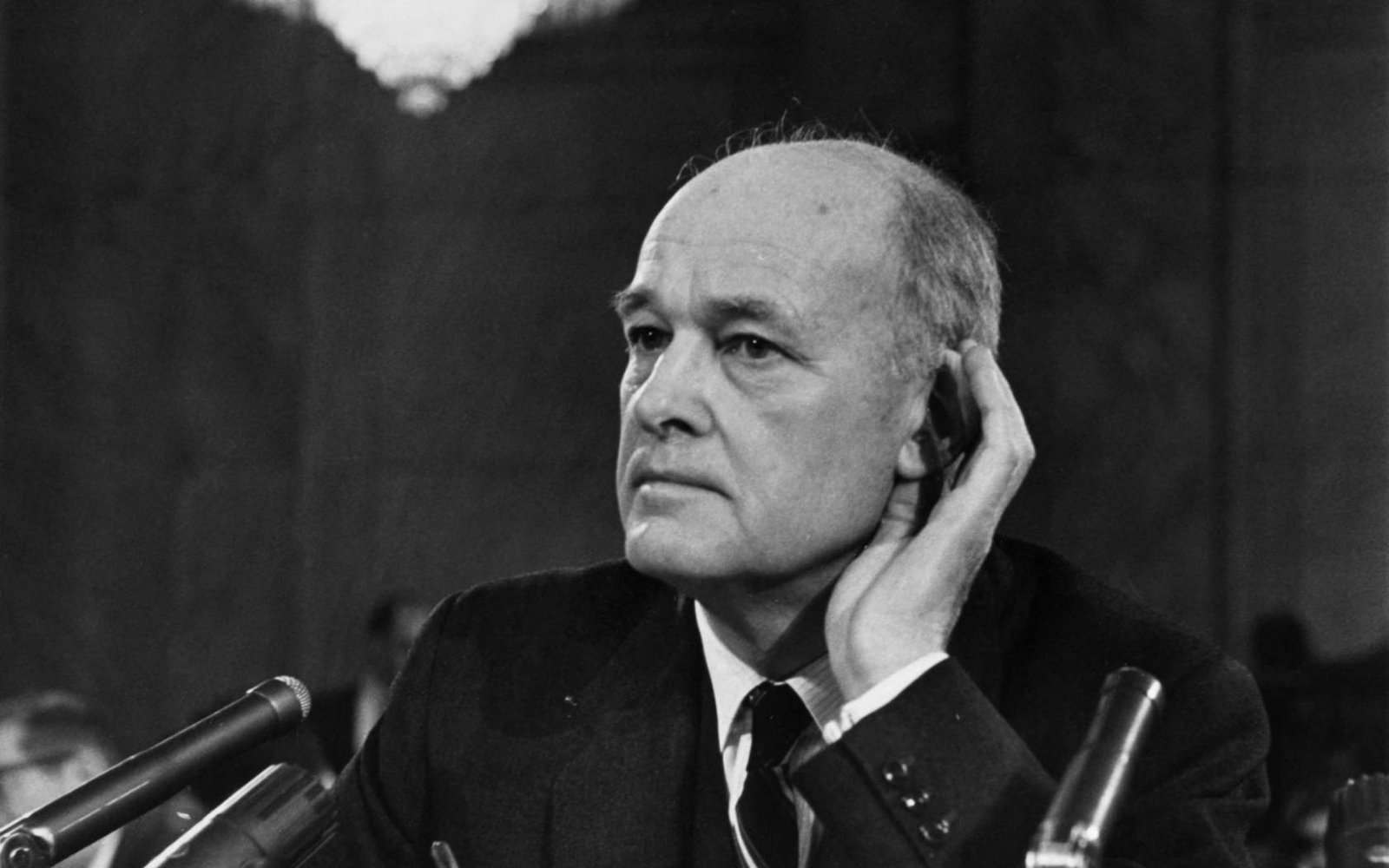
Understanding George Kennan’s Legacy on US-Africa Policy
In the realm of international relations, few figures resonate as profoundly as George Kennan, the American diplomat who shaped the concept of containment during the Cold War. His diary entries from his visit to Africa in 1967 reveal his evolving perspective on American foreign policy, particularly towards the African continent. Kennan famously noted, “I had become an isolationist of sorts in my old age,” suggesting his inclination towards withdrawal rather than continued military engagement.
Kennan’s Views on Modern Geopolitics in Africa
Reflecting on Kennan’s thoughts leads to pertinent questions regarding current American policy. What would he think of Russia’s growing military influence in West Africa or China’s increasing economic investments across the continent? Kennan might argue that America should avoid the role of the “anxious suitor,” removing the impulse to intervene solely to outmaneuver competing powers. He challenged ideas that suggested America needed to contend with communism in the region by asserting that the spread of communism in Africa could enhance the competition among various ideologies rather than weaken U.S. influence.
A Cautionary Approach to US Policy
Kennan’s perspective urges modern policymakers to adopt a patient, low-cost approach to US-Africa relations. He pointed out that America often reacts based on its "missionary" ideals or guilt, particularly when crises arise that don’t directly affect U.S. strategic interests. He believed that Washington’s engagement should be thoughtful, avoiding impulsive actions driven by emotional impulses.
The Trump Administration: A Blend of Isolationism and Interventionism
The Trump administration’s policies towards Africa revealed a mix of Kennan’s “isolationist of sorts” ideology and militarized "missionary impulses." Officials portrayed Africa as a peripheral area in need of strategic prioritization while engaging in military actions like missile strikes in Nigeria to protect minority groups, further complicating America’s narrative in the region.
As Kennan noted in his reflections, the internal American political environment often distorts foreign policy, leading to decisions that veer away from realist perspectives.
Kennan and the Cold War: Navigating Challenges in Africa
In confronting challenges from Moscow, Kennan advocated for "cool nerves." He emphasized that while Africa holds valuable resources, they were not vital to U.S. interests and would remain accessible even amid geopolitical struggles. During the 1970s, as Soviet and Cuban forces intervened in regions such as Angola and Ethiopia, he cautioned against the fear-driven urge to scramble for influence.
The Dilemma of US Involvement in African Affairs
Kennan articulated a “damned if we do, damned if we don’t” dilemma regarding American engagement in Africa. He was comfortable with the idea of letting African states navigate their own affairs, recognizing the potency of nationalism on the continent. His reflections indicated a belief that America should not feel compelled to intervene out of fear of losing influence.
Kennan’s Critique of Humanitarian Intervention
Critically, Kennan disapproved of America’s humanitarian interventions, exemplified by his condemnation of the military actions during the Somali Civil War. He viewed such undertakings as misguided efforts lacking defensive interest, with vast resources devoted to situations where American strategic interests were not at stake. His skepticism toward military intervention reverberates through discussions about American efforts in Africa today.
Contrasting Perspectives on Apartheid and Racial Stratification
Kennan’s views on Apartheid during his 1967 visit showed his complex stance. While he condemned its harshness, he also expressed skepticism over external attempts to precipitate change. Influenced by his experiences during the Vietnam War, Kennan felt that external pressures would likely yield minimal changes in regime behavior. He believed that internal dynamics would ultimately determine South Africa’s future.
A Hands-Off Approach
In various outlets, Kennan argued against sanctions and diplomatic isolation of South Africa, instead calling for an understanding that genuine change would emerge from the country’s internal politics. This hands-off strategy echoes through U.S. policy through various administrations, demonstrating a persistent reluctance to engage firmly against oppressive regimes.
The Political Landscape: Domestic Influences on Foreign Policy
Kennan’s reflections reveal the indirect yet potent influences of domestic politics on U.S. engagement in Africa. The “Southern Strategy” during the Nixon administration commodified Africa policy, leveraging white solidarity sentiments among American constituents. Racial dynamics within U.S. politics continue to reverberate through foreign policy considerations.
Lessons from Kennan for Today’s US-Africa Policy
Kennan’s experiences provide crucial lessons as the U.S. navigates modern-day challenges in Africa, particularly amidst growing geopolitical tensions marked as “New Cold Wars.” Rather than reacting with aggressive countermeasures to every foreign initiative, Washington could benefit from a more calculated, strategic approach that prioritizes broader partnership frameworks.
Emphasizing African Agency
To develop meaningful relations, American policymakers must also recognize the agency of African states. An appreciation for the complexity of African politics will foster stronger collaborations. In Kennan’s own words, generalizations about Africa are "dangerous," acknowledging the continent’s vast diversity.
Recognizing these realities could reshape U.S. engagement, moving towards a partnership model grounded in mutual respect rather than dependency or domination. This reframing of diplomacy may help create equitable relationships that ultimately benefit both the U.S. and African nations.
In summary, revisiting George Kennan’s insights offers a nuanced lens to evaluate the tangled nature of U.S. relationships with African nations. By understanding the historical context and adapting to contemporary realities, the U.S. can foster better diplomatic relations moving forward.
