

Understanding Nigeria’s Electricity Crisis: The Need for Systemic Reform
The Current Landscape of Nigeria’s Power Sector
Recently, Nigeria’s electricity sector has drawn global attention at CeraWeek in Houston, Texas, where experts underscored that the nation’s enduring power crisis is rooted in systemic failures rather than a mere lack of energy resources. The prevailing narrative focuses on the inefficiencies that pervade the energy system, rather than the availability of resources.
Deep-Seated Issues Concealing Energy Abundance
Silvia Macri, the Associate Director at S&P Global Energy, highlighted that despite Nigeria’s substantial natural gas reserves, the nation still grapples with unreliable power. This paradox stems from severe structural inefficiencies throughout the energy value chain. Currently, Nigeria boasts an installed capacity of around seven gigawatts, which is insufficient to cater to its large and rapidly expanding population.
Critical Gaps in Infrastructure
Macri pointed out specific infrastructural challenges that exacerbate Nigeria’s electricity issues:
- Limited Gas Pipeline Infrastructure: This restricts the supply to power plants.
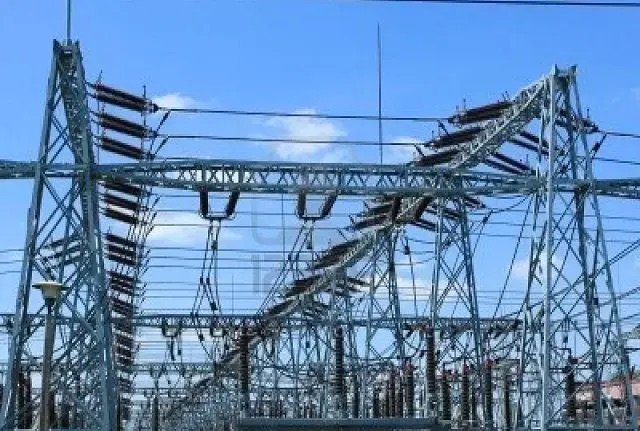
- Weak Transmission and Distribution Networks: These hinder the effective delivery of electricity to consumers.
- Underinvestment in Generation Capacity: This leaves demand unmet across the country.
To truly tackle Nigeria’s electricity dilemmas, Macri emphasized the importance of an interconnected approach that develops all segments of the energy chain—upstream, midstream, and downstream.
Financial and Policy Challenges to Investment
Investment in Nigeria’s power sector is further impeded by financial constraints. Laura Sima, Director of Upstream Solutions at S&P Global Energy, noted that many infrastructure projects are deemed unattractive to private investors due to low returns. The challenge lies in determining who should finance essential infrastructure, a role that significantly falls on the government.
Furthermore, concerns over payment reliability create additional deterrents for investors. Irregular payments to gas suppliers undermine trust and hinder further investments. This issue is compounded by currency volatility, which makes revenues earned in the local currency vulnerable to depreciation against the U.S. dollar, thereby diminishing the appeal for foreign investment.
Untapped Potential Amidst Abundance
Despite having one of the largest natural gas reserves in the world—over 200 trillion cubic feet—much of this resource remains untapped because of market and infrastructural limitations. Experts indicated that throughout Africa, a minimal fraction of discovered gas resources is currently in production, as many projects stagnate without adequate infrastructure and viable commercial frameworks.
The Role of Renewable Energy
Renewable energy sources are increasingly becoming part of the solution to address short-term supply shortfalls. Macri pointed out that renewables present a quicker and cheaper means to implement off-grid and decentralized energy solutions. However, she asserted that gas-fired power remains crucial for maintaining stability and supporting intermittent renewable sources.
Africa’s Growing Appeal to Global Investors
The discussion also transcended Nigeria, with experts remarking that Africa is becoming more attractive to global energy investors. Geopolitical tensions are driving companies to diversify investments away from traditional regions like the Middle East, highlighting Africa’s vast yet underexplored basins as a crucial market for future growth.
The Path Forward for Nigeria’s Power Sector
Despite the potential, experts warned that without comprehensive structural reforms, improved governance, and continuous investment in infrastructure, Nigeria may struggle to turn its resource wealth into reliable power supply. Coordinated reforms, strategic investments, and strong policy frameworks are essential steps needed to unlock Nigeria’s energy potential.
By addressing these challenges, Nigeria can work towards a more robust and reliable electricity system, ultimately enhancing energy access for its citizens and ensuring stability within its economy.
Additional Resources
- S&P Global Energy Insights
- Renewables and the Future of Energy in Africa
- Economic Impacts of Energy Supply Challenges
The emphasis on systemic reform and investment in Nigeria’s power sector is crucial for transforming the nation’s energy landscape and achieving a sustainable future.
