

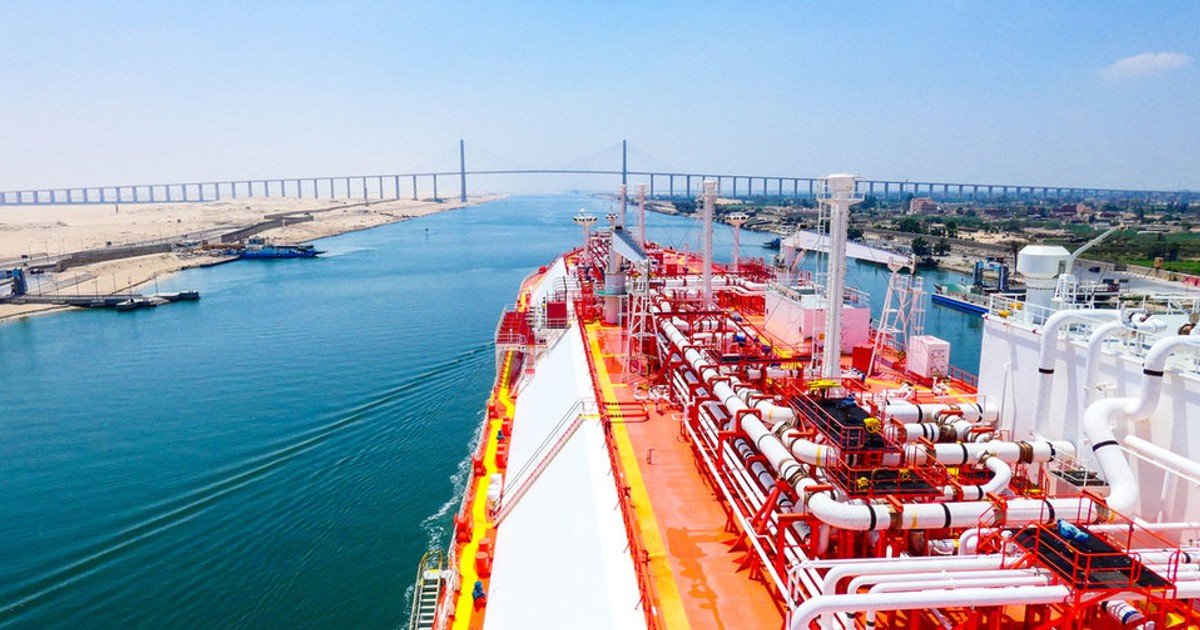
Surge in Africa as a Key Bunkering Hub Amid Global Shipping Shifts
As shipping lines reconsider routes in response to geopolitical tensions, Africa’s coastal regions are emerging as critical players in the global bunkering market. The continent is witnessing a significant rise in demand from ship-refuelling companies, marking a pivotal shift away from traditional hubs in the Middle East.
Changes in Shipping Routes
Since late 2023, shipping lines have been avoiding the Suez Canal and the Bab el-Mandeb Strait due to escalating Houthi attacks in the Red Sea. Further complicating matters, recent U.S. and Israeli military actions against Iran, along with disruptions in the Strait of Hormuz, have prompted more carriers to change their navigational strategies.
Danish shipping giant Maersk has announced plans to reroute some vessels around the Cape of Good Hope, opting for a longer route to bypass the constraints in the Red Sea. This and similar decisions from major carriers like Hapag-Lloyd and CMA CGM underline a broader trend towards using prolonged southern routes for shipping.
Investment Opportunities in Bunkering
Although these longer routes extend travel times, they simultaneously open up new refuelling opportunities across Africa. Notably, companies such as Monjasa have reported rising volumes, while industry leaders Vitol, Peninsula, and Flex Commodities are expanding their operations to cater to this growing demand.
Growing Shipping Traffic
The impact of these shifts is already visible, with vessel diversions reported to have increased by over 100% by March, as per the Cape Chamber of Commerce and Industry. This change is underscored by the surge in activity at Kenya’s previously underutilized Lamu Port.
New Investments Across the Continent
As the demand for bunkering services rises, investments are pouring into the sector. Flex Commodities has launched operations in Namibia, aiming to capitalize on the expected influx of traffic around the Cape and offshore markets. In West Africa, suppliers are similarly enhancing their capacity, with forecasts suggesting significant volume growth over the next decade.
Benefits to Ports Across Africa
Ports are reaping the benefits of these changes. For instance, Port Louis in Mauritius has nearly doubled its bunker fuel sales in 2024. Meanwhile, ports like Walvis Bay and Luderitz in Namibia are gaining traction. In contrast, South Africa is experiencing a decline in market share, attributed to regulatory challenges affecting volume levels.
Challenges Ahead
Despite the promising landscape, several challenges remain for the bunkering industry. Stakeholders emphasize risks such as piracy, infrastructure bottlenecks, and potential shortages in fuel supply due to decreased exports from the Middle East. Additionally, high taxes and regulatory uncertainties in certain markets continue to complicate expansion efforts.
Conclusion
Africa is poised to play a transformative role in the global bunkering market as geopolitical factors reshape shipping routes. With rising demand and investment opportunities, the continent demonstrates great potential to become a pivotal hub for ship refuelling, despite the challenges that lie ahead.
For more information on global shipping trends, you can visit Business Insider.
