

South Africa’s Energy Crisis: Navigating the Oil and Gas Landscape
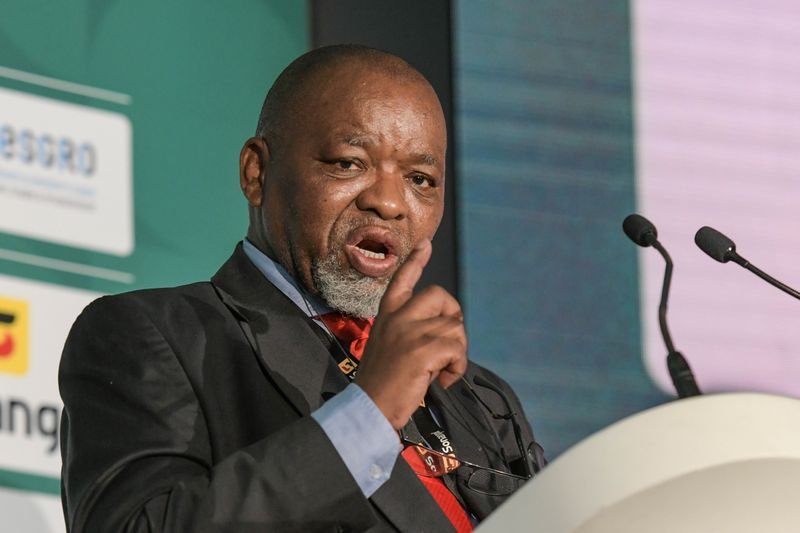
Minister Gwede Mantashe’s recent comments during the Southern Africa Oil and Gas Conference in Cape Town underscore a pivotal moment for South Africa and the African continent. With the energy market in upheaval, Mantashe urges that the region cannot afford to remain impoverished despite its natural resources. “We must harness these [oil and gas] resources responsibly,” he stated, emphasizing the potential for economic growth and job creation.
Urgency in Local Development
The geopolitical tensions surrounding the US-Israeli conflict with Iran have compounded issues in the energy sector, leading to disruptions in fuel supply chains and inflated costs for consumers. Mantashe critiques the lengthy litigation processes that have stymied local oil and gas developments, asserting that immediate legislative action is essential for investor confidence.
Oliver Naidu, president of Vopak South Africa, echoes the need for a diversified energy portfolio. “You cannot have a single point of supply in your country,” he argues. With Vopak managing the Zululand Energy Terminal, southern Africa’s first liquefied natural gas (LNG) facility, Naidu believes a blend of local production and imports is critical for stability.
Impacts of Global Energy Prices
South Africa currently faces severe economic challenges, with Brent crude oil prices surpassing $100 per barrel. As an import-driven market, any fluctuations in global oil prices directly impact the consumer, reflecting an ongoing cycle of imported inflation. Major players in the aviation and mining sectors, such as FlySafair and United Manganese of Kalahari, have reported increased operational costs due to rising fuel prices, contributing to financial strain within these industries.
The Role of Deindustrialisation
Historically, South Africa boasted an impressive refining capacity of over 700,000 barrels per day across six refineries. Today, that figure has plummeted to a mere 35% of its original capacity, primarily relying on imports for 70% of its fuel needs. The closure of multiple refineries, exacerbated by corporate decisions over compliance with environmental standards, has left South Africa vulnerable to external markets.
The Looming Gas Cliff
By 2028, South Africa may reach a critical juncture in its natural gas supply, as Sasol prepares to halt external supply from Mozambique due to resource depletion. This scenario threatens jobs and could have dire implications for the manufacturing sector. Despite vast untapped shale gas reserves, bureaucratic hurdles and legal obstacles have hindered extraction efforts.
Environmental Challenges and Regulatory Paralysis
Mantashe’s statements have highlighted ongoing conflicts between environmental regulations and energy development. While some view environmental laws as barriers, others argue they ensure sustainable and responsible growth. Minister Willie Aucamp stresses the importance of this balance, advocating for development that respects both economic and environmental needs.
Regional Cooperation as a Solution
Experts, such as Selma Shimutwikeni from RichAfrica Consultancy, argue that regional cooperation could provide a pathway toward solving South Africa’s energy crisis. Shared infrastructure and collaborative investment strategies across the continent could streamline resources, enhancing efficiency and minimizing redundant expenditures.
Long-Term Solutions for Energy Stability
In response to these looming challenges, the South African government is implementing several capital-intensive projects. Key initiatives include expediting the Upstream Petroleum Resources Development Act and investing in LNG import terminals strategically located along the coast. This multi-layered approach aims to provide a long-term solution to mitigate the impacts of the gas cliff and the instability of international fuel markets.
With the energy landscape in flux, it is imperative for South Africa to seize its vast natural resources responsibly and effectively. By addressing regulatory bottlenecks and fostering regional partnerships, the country can pave the way for a more sustainable and self-sufficient energy future.
