

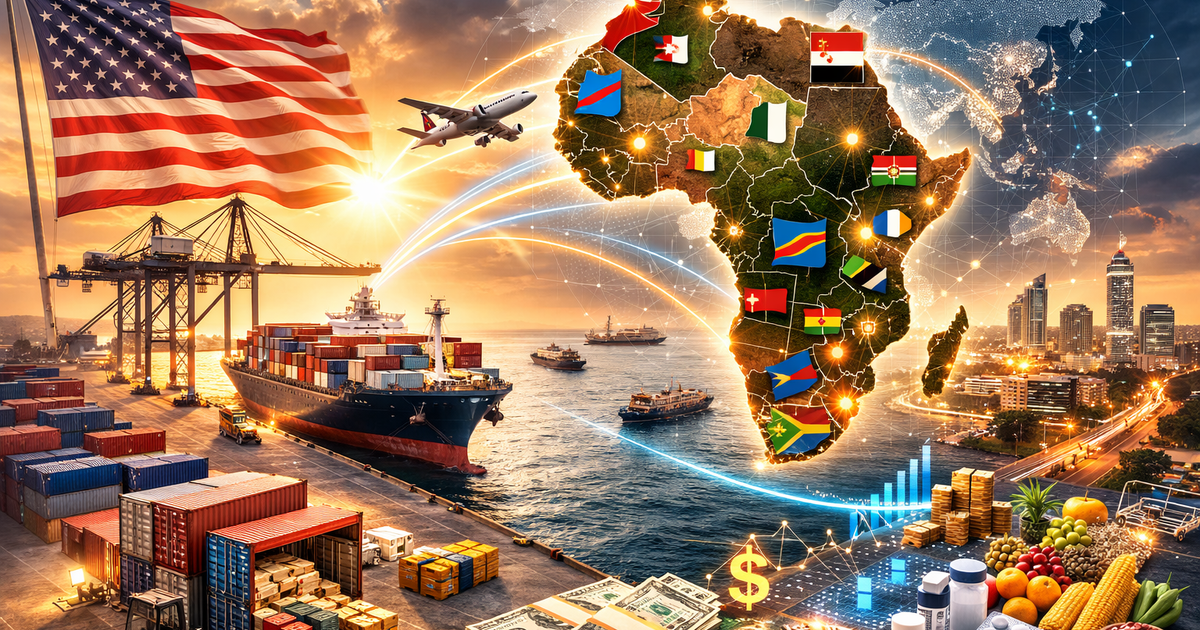
The Growing Importance of African Exports to the U.S. in 2025
As the global economy readjusts in the wake of recent disruptive events, including the pandemic and rising geopolitical tensions, the focus on Africa’s export capabilities—particularly to the United States—has intensified. This shift highlights both the potential benefits and challenges that African nations face in the global market.
Key Export Commodities
In 2025, African exports to the United States remained significant, with a diverse mix of products. The leading categories included oil, precious metals, cocoa, cotton, and various agricultural items. This broad export portfolio reflects the varied economic strengths of African nations.
Top Exporting Countries
Among the nations contributing significantly to this export growth were Nigeria, Angola, Ghana, Côte d’Ivoire, and South Africa. These countries showcased an export basket that extended beyond just crude oil, demonstrating their economic diversification and resilience.
Trade Policies Impacting Exports
Throughout 2025, the U.S. government implemented or threatened to adjust tariffs on multiple import categories. These measures were driven by concerns about the domestic economy, supply chain security, and geopolitical competitiveness. Such changes created uncertainty for African exporters, complicating their access to the U.S. market.
Manufacturers across Africa were reminded that while market access exists, it does not equate to unrestricted entry. The introduction of tariffs—even if temporary—can disrupt lengthy production schedules and contractual obligations.
The Role of AGOA
The African Growth and Opportunity Act (AGOA) has been a cornerstone of trade relations between the U.S. and Africa since its inception in 2000. AGOA enables qualifying African countries to enjoy privileged access to the U.S. market for thousands of products, frequently on a duty-free basis. This program remained crucial in 2025, particularly for sectors like automotive components, textiles, and specialized agricultural exports.
Challenges Facing Exporters
Despite the opportunities available under AGOA, several African exporters encountered significant challenges. Logistical constraints, foreign exchange fluctuations, and production slowdowns markedly limited their regular export capabilities. Currency volatility has frequently made price forecasting difficult, increasing the risk of contract defaults or renegotiation.
Moreover, inflationary pressures across various African nations have raised production costs, rendering some exports less competitive compared to rivals from Asia or Latin America.
Varied Success Across Nations
Nevertheless, some African countries excelled in exporting more products to the U.S. than others in 2025, signifying a diversified performance landscape. The U.S. International Trade in Goods and Services report sheds light on which nations topped the export charts.
For additional insights into the complex dynamics of U.S.-Africa trade relations, please refer to the Africa Business Insider.
Conclusion
In summary, Africa’s export landscape to the United States in 2025 represents a blend of opportunities enriched by AGOA and challenges stemming from economic volatility and policy changes. As these nations strive to navigate this complex environment, their success will heavily depend on adaptability and strategic partnerships.
