

Energy as a Catalytic Force for Africa’s Development
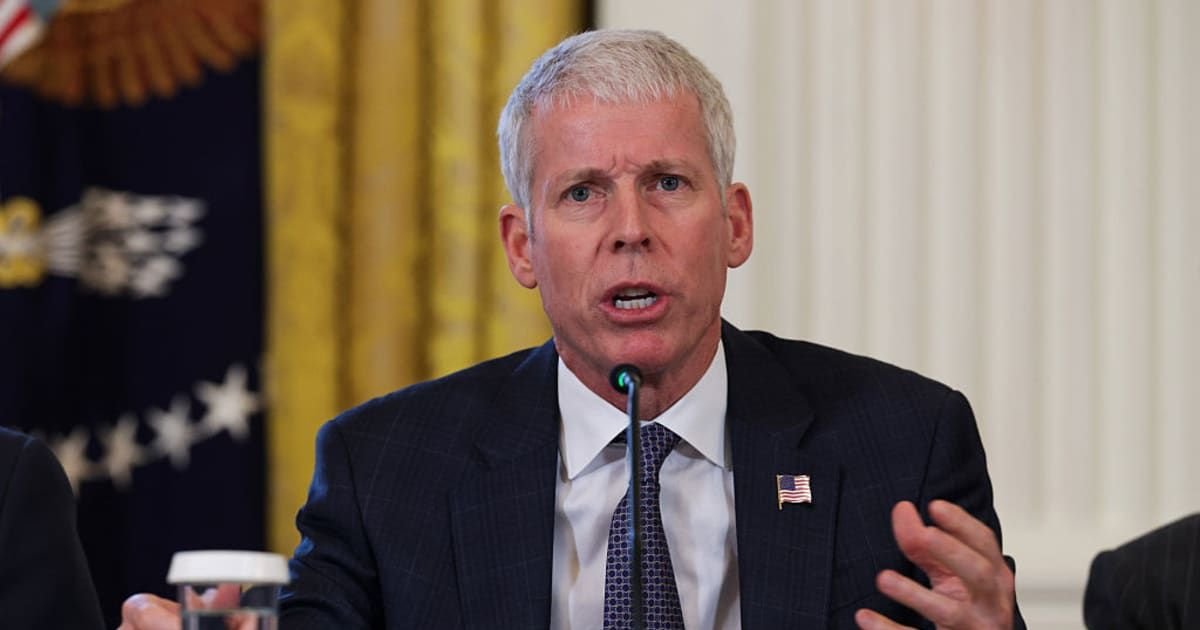
In a powerful address at the 2026 Powering Africa Summit in Washington, DC, US Secretary of Energy Charles Wright underscored the critical role of energy in Africa’s development, positioning it as a cornerstone of economic policy. Organized by EnergyNet, the summit brings together global leaders and investors to discuss strategies for enhancing Africa’s power and energy sector.
Unlocking Potential Through Energy Access
Mr. Wright emphasized that expanding energy access has the potential to unlock industrial growth, create jobs, and elevate living standards across the continent. He highlighted the importance of clean cooking solutions, which not only reduce health risks but also liberate time for women who often spend significant hours gathering fuel for cooking.
“Access to reliable and affordable energy is foundational for all major indicators of human progress, ranging from health outcomes to economic growth,” he stated. He added that “the absence of energy leads to poverty, despair, and ultimately death,” emphasizing the grim realities faced by millions who still depend on traditional fuels. Currently, nearly a million deaths annually in Africa are attributed to indoor air pollution caused by inadequate access to clean cooking energy.
A Human-Centered Energy Approach
Wright urged that energy policy should be viewed through a human-centered lens balancing economic efficiency with humanitarian objectives. He was critical of the “paternalistic” and “neocolonial” attitudes of Western governments towards Africa’s energy development. He pointed out that past directives have pressured African nations to prioritize renewable energy, often at the expense of their unique circumstances and energy needs.
“What happens in Africa’s energy systems will make little difference in global greenhouse gas emissions but greatly affect the lives of Africans,” he asserted, making a case for a more relevant energy strategy rooted in human development rather than symbolic gestures of climate change mitigation.
Investment and Policy Stability as Cornerstones
He noted that developed nations, including the US, Europe, and Asia, have invested over $10 trillion in renewable technologies, yet these sources still fulfill only a small portion of their overall energy needs. This calls into question the efficacy of pushing similar initiatives in Africa without considering the continent’s unique challenges.
Makhtar Diop, Managing Director of the International Finance Corporation, echoed these sentiments, stating that mobilizing private capital will be essential for addressing Africa’s energy challenges. He noted that investment flows depend heavily on policy stability, strong legal frameworks, and the outline of profitable projects.
The Need for a Multisectoral Coalition
Diop stressed that governments alone cannot fund developmental needs due to competing fiscal pressures. He advocated for a coalition involving public, private, and philanthropic sectors, where the primary role of the public sector would be to create conducive conditions for attracting investments rather than directly investing scarce resources in energy infrastructure.
“Investment must come from those with substantial funds, while government’s focus should be on facilitating an environment that encourages and supports these investments,” he added.
As discussions at the summit unfold, it remains clear that a strategic, inclusive, and tailored approach toward energy development could be the linchpin for Africa’s sustainable growth and overall advancement.
