

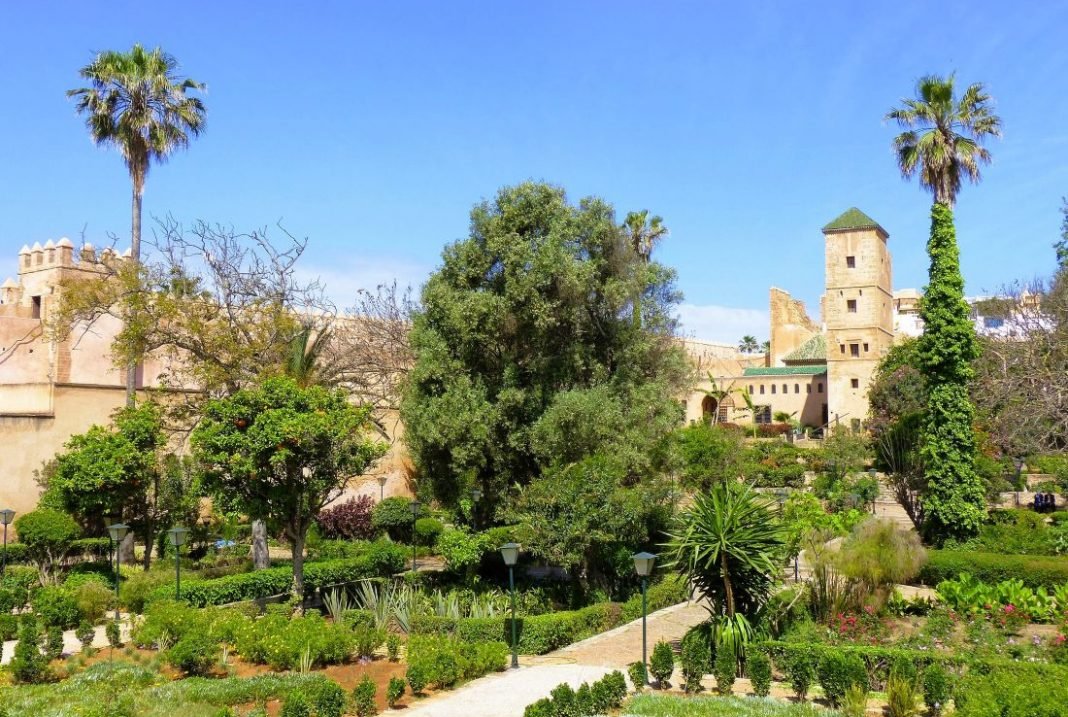
Rabat: A Rising Star in Moroccan Tourism
Rabat, alongside its neighboring cities of Salé and Kénitra, is rapidly transforming its tourism landscape. This bustling metropolitan area, home to approximately 5.5 million residents, is working diligently to merge its rich heritage with high-end hospitality and a calendar filled with global events. As a result, Morocco’s capital is establishing itself as an enticing international destination.
From Politics to Pleasure: Rabat’s Evolving Identity
Traditionally recognized for its political and administrative significance, Rabat is now emerging as a vibrant leisure and business hub. The city is striking a delicate balance between honoring its historical roots and embracing innovative investments. Since achieving UNESCO World Heritage status in 2012 for its unique blend of modern and historic elements, Rabat has seen a marked increase in its cultural appeal.
Key Attractions Restored
Landmarks such as the impressive Hassan Tower, the Mohammed V Mausoleum, and the enchanting Kasbah of the Oudayas have undergone significant restoration, aligning preservation efforts with tourism initiatives under the ambitious "Rabat City of Light" program. Additionally, Salé’s medina is gaining attention, offering tourists a more authentic, less traversed cultural experience just across the Bouregreg River.
Building a Competitive MICE Ecosystem
Rabat is strategically utilizing its institutional prominence to boost its MICE (Meetings, Incentives, Conventions, and Exhibitions) sector. The city is witnessing an uptick in international forums and diplomatic gatherings, supported by infrastructure enhancements like the Mohammed VI International Conference Center and a burgeoning hotel scene.
Addressing the Gaps
Despite having rich cultural assets, Rabat faces challenges in providing large-scale MICE experiences. Experts point out the need for enhanced post-meeting activities and entertainment options. According to El Mehdi Hameda Benchekroun, President of the Regional Tourism Council (CRT) Rabat-Salé-Kénitra, boosting accommodation capacity is critical. He emphasized that constraints due to high land costs have previously hindered development, yet there’s a pressing need to escalate hotel capacity to meet soaring demand.
Currently, the metropolitan area boasts 116 hotels and over 5,900 rooms, with 27 new projects in the works to add nearly 2,000 additional rooms. Major international hotel brands such as Four Seasons, Fairmont, and Marriott are already present, with upcoming additions like Waldorf Astoria Rabat-Salé further enhancing the region’s hospitality offerings.
Enhancing Connectivity and Experience
In addition to increasing accommodation, improving connectivity among Rabat, Salé, Kénitra, and other regions, including Fez, is essential. Hameda highlighted that this regional integration aims to enrich visitor experiences, seamlessly blending business travel with cultural, gastronomic, and adventure opportunities.
Infrastructure Developments for Future Events
Rabat is also investing heavily in its infrastructure, with five international-standard stadiums being upgraded in anticipation of significant events like the Africa Cup of Nations 2025 and the FIFA World Cup 2030. The city is enhancing its green spaces, such as the Botanical Garden and Hassan II Park, reinforcing its reputation as a sustainable and livable destination. Meanwhile, cultural events—from book fairs to music festivals—continue to elevate Rabat’s global profile.
Competing with Established Destinations
With improvements in high-speed rail connectivity, modern infrastructure, and new international flight options, Rabat is strategically positioning itself to compete with established tourist hotspots like Marrakech. The city’s evolution is driven by a clear vision: to serve as a benchmark for balanced and sustainable tourism development in Morocco.
For more insights on Rabat’s burgeoning tourism sector and related news:
- Ryanair picks Rabat for fifth Morocco base in 2026
- British Airways adds new destinations for winter 2025/26
- Morocco builds mega stadiums ahead of hosting the 2030 FIFA World Cup
Explore the potential of Rabat as it emerges as a prominent player on the international tourism stage, where past meets present in a uniquely Moroccan context.
