

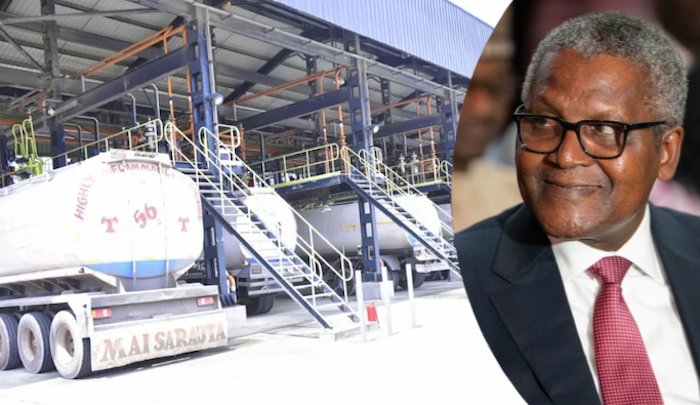
Fuel Demand Surges in Africa Amid Global Supply Disruptions
Rising Demand for Fuel in Africa
Nigerian billionaire Aliko Dangote is witnessing an unprecedented surge in fuel inquiries from across Africa as geopolitical tensions, particularly the ongoing war in Iran, disrupt global supply chains. The fallout from these conflicts is exposing the continent’s heavy reliance on imported fuel.
Inquiries from Across the Continent
According to a company executive from Dangote Petroleum Refinery and Petrochemicals, nations like South Africa, along with other African governments and international buyers, are seeking new fuel contracts. Notably, South Africa is in discussions for a 12-month standard supply agreement with Nigeria, reflecting a proactive approach to mitigate fuel shortages as the conflict impacts energy markets.
Impact of Geopolitical Conflicts on Energy Markets
The ongoing disruptions resulting from the US-Israel conflict in Iran are causing ripples in global energy markets. Shortages are emerging everywhere, affecting regions from Asia to Africa and revealing vulnerabilities within the continent’s fuel supply systems. East and southern Africa are particularly hard-hit, with approximately 75% of refined fuel imports stemmed from Middle Eastern sources, according to CITAC.
South Africa’s Strategic Response
The South African government has openly acknowledged the risks associated with fuel supply disruptions. They are actively coordinating with industry stakeholders to secure crude oil and refined petroleum products from a diversified array of suppliers. A comprehensive plan has been formulated to address potential supply risks effectively.
Dangote’s Refinery: A Key Player
Dangote’s refinery, with a capacity of 650,000 barrels per day, aims to allocate around 75% of its output to Nigeria, while the remainder is reserved for export. The company has received requests from countries such as Ghana and Kenya for fuel supplies, emphasizing the urgency of the situation. “Right now it is not about pricing; it’s about availability,” Dangote remarked in a recent interview. The pressing question remains whether this trend will persist.
Concerns Persist Across Africa
While South Africa asserts that it has sufficient fuel reserves for the coming weeks and Kenya maintains a stock for three weeks, worries loom large throughout the continent. In Ethiopia, authorities have instructed fuel stations to prioritize public transport and are encouraging citizens to conserve energy. Meanwhile, fuel prices in Somalia’s capital have nearly doubled, exacerbating economic pressures in the region.
Long-Term Preparedness Issues
Despite holding about 8 million barrels of strategic crude reserves, South Africa’s lack of dedicated fuel stockpiles raises questions about its long-term preparedness. The country’s refining capacity has also significantly diminished due to accidents and chronic underinvestment, leading to increased reliance on imports.
Industry Stakeholders’ Responses
Fuel industry stakeholders insist that supplies are stable for the time being, but businesses are already taking preemptive measures. There’s been a notable uptick in coal demand and escalating prices as companies seek alternatives amidst uncertainty. Exxaro Resources has cautioned about rising freight and insurance costs, coupled with potential supply disruptions.
“Ensuring adequate fuel inventories for crises like this is crucial,” said Exxaro CEO Ben Magara. “We are implementing extensive business continuity management plans because the future remains unpredictable.”
For further insights into the energy market and related developments, consider exploring resources like CITAC and other industry-related publications.
