

Embracing Culture: The Importance of Folklore in Human Rights
Understanding the Connection Between Culture and Human Rights
Human Rights Day often emphasizes socio-economic rights such as housing, healthcare, and education. However, the Folklore Festival Fringe, commencing on 20 March with the theme #KINFOLK, invites a shift in dialogue towards memory, identity, and the right to cultural expression. This shift highlights that culture is not just ancillary to daily life—it is vital for understanding community identity and resilience.
The Vision of Curator Pilani Bubu
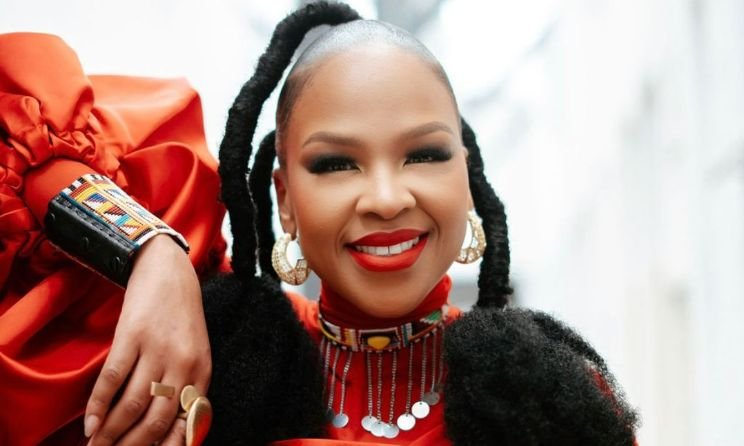
Under the guidance of curator Pilani Bubu, the festival asserts that culture intertwines with broader pursuits of justice and dignity. Bubu articulates, “Culture is the way people live, and heritage is what is passed down.” Folklore serves as a conduit for transmitting the wisdom of survival through generations. She emphasizes that art has historically been a medium for communication and preservation, extending beyond mere entertainment.
Relevance of Traditional Knowledge
Bubu points out how traditional practices, like herbal remedies, gained popularity during the COVID-19 pandemic, showcasing how inherited knowledge continues to shape contemporary society. She argues for the relevance of pre-colonial African practices as resources for crafting modern solutions. “How people used to live can be adapted to form solutions to improve how we live today,” she adds.
Folklore: More Than Tradition
A Dynamic Archive
The festival treats folklore as an evolving archive that transcends nostalgia. In a country where official narratives have often been sculpted by colonial influence, folklore provides an alternative account captured in song, poetry, and oral tradition. “These songs become a way for us to find our people, identify our lineage and learn about where we come from,” says Bubu, reiterating folklore’s role in shaping identity and fostering community belonging.
Common Threads Across Cultures
The #KINFOLK theme resonates deeply in a nation characterized by 12 official languages and a history marked by division. Bubu emphasizes the universal themes in South African folklore, highlighting commonalities in music and storytelling that unite rather than divide. “Our music, whether Zulu, Xhosa, Sotho, or Tswana, often follows call-and-response patterns,” she notes, positing that shared musical experiences can bridge gaps and promote unity.
Challenges in Transmitting Tradition
Addressing Language Barriers
In today’s digital landscape, transmitting folklore to younger generations poses challenges, most notably language barriers. Bubu identifies the loss of indigenous languages as a significant obstacle that can prevent youth from fully grasping cultural messages. “Culture can be consumed without being understood,” she warns.
Creating Spaces for Engagement
To foster deeper connections, the festival aims to bridge the gap between younger audiences and artists engaged in traditional practices. Bubu highlights the Folklore Festival’s initiative to showcase artists who embrace cultural narratives, providing youth with relatable representations.
Cultural Expressions and Economic Sustainability
Economic Challenges Facing Creatives
While celebrating folklore, the festival also addresses the pressing issue of economic security for those sustaining cultural practices. Tebogo Moalusi, founder of Creative 2.0, emphasizes the need for discussions about intellectual property, royalties, and the music ecosystem. “Our cultural expressions have often been seen as intangible assets that cannot improve living conditions for creative practitioners,” he asserts.
The Reality of Underpayment
Moalusi critiques the romanticized view of cultural labor, asserting that those who contribute to folklore and culture frequently do not receive fair compensation. “It’s almost been an excuse to make sure that those who operate in folklore don’t get remunerated for shaping creative assets,” he explains.
Protecting Cultural Heritage and Ownership
The Essence of Identity
Ownership of cultural heritage is crucial for identity formation and economic advantage. Moalusi emphasizes the importance of intellectual property rights, advocating for the protection of cultural work against exploitation. “When traditional work is not protected, it leaves people vulnerable,” he cautions, especially in the age of artificial intelligence.
The Need for Marketplaces
Creating robust marketplaces that connect cultural practitioners with investors and global audiences is essential for the economic viability of folklore. “We don’t have big enough marketplaces. It’s not mature enough. It’s not protected,” Moalusi highlights, stressing the need for a more inclusive infrastructure that supports creative professionals.
The Duality of Folklore as Culture and Economy
Bubu and Moalusi articulate two sides of a singular narrative: one highlights culture as memory and identity, while the other emphasizes culture as labor and economic sustainability. This interconnection illustrates a more profound dialogue about freedom, urging that cultural practices should not only be preserved but also supported in a way that allows practitioners to thrive.
The Folklore Festival’s Broader Implication
The Folklore Festival Fringe adds a significant layer to discussions on Human Rights Day. It challenges society not only to consider whether individuals have the right to practice culture, but also whether they possess the means to understand, inherit, and monetize it.
In essence, culture occupies a critical position at the heart of human rights discourse. While socio-economic rights safeguard life, cultural rights offer the essence of meaning, reinforcing that without significance, freedom is compromised.
The Folklore Festival Fringe will be hosted at the NSA Theatre, located at 17 Hoofd Street, Braampark, on 20 March, featuring an Industry Day focused on vital issues such as publishing, royalties, and intellectual property in the creative sector.
For more information about the festival, watch this video.
