

Transforming Africa’s Economic Landscape by 2063: A Blueprint for Sustainable Infrastructure
Africa stands on the brink of a transformative economic shift that could reshape its energy and infrastructure landscape by 2063. Presently challenged by fragmented transport networks and inadequate electricity access—affecting over 60% of its population—African leaders, alongside financial partners, gathered in Washington from October 13 to 18, 2025, to explore innovative financing mechanisms and green strategies aimed at generating billions and millions of jobs while steering the continent towards sustainable, integrated growth.
The Current State of Africa’s Infrastructure
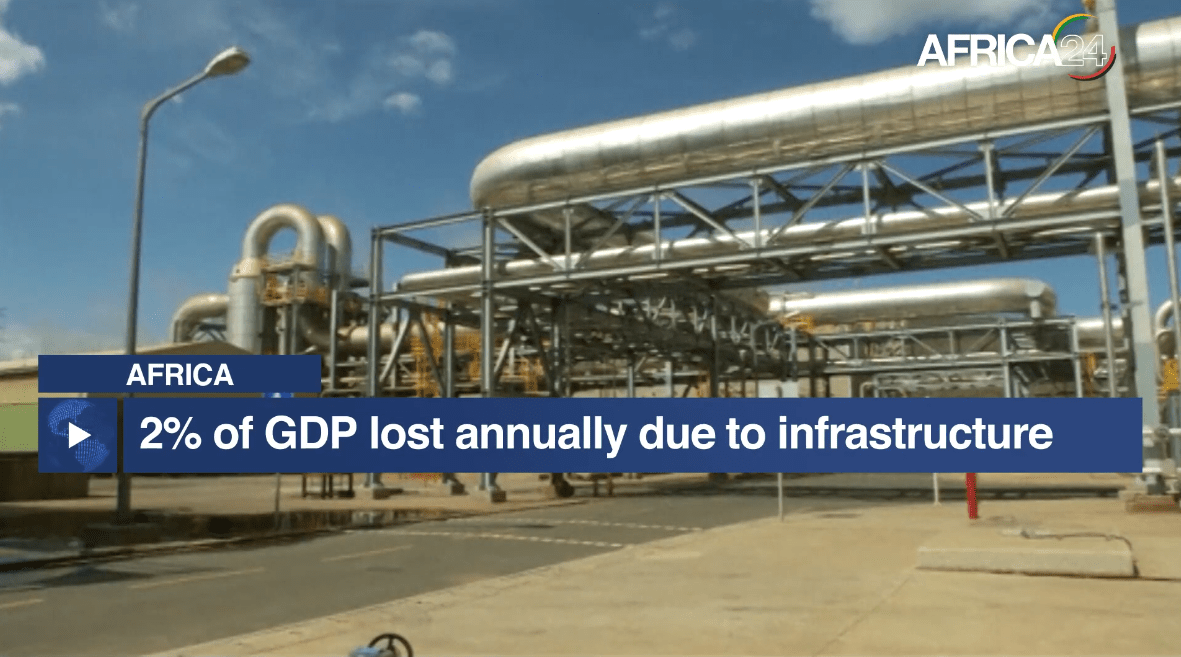
With fewer than 40% of Africans enjoying stable electricity access, the urgency for modern infrastructure is clear. Logistical costs between neighboring countries rank among the highest globally, with the African Development Bank (AfDB) estimating that Africa loses roughly 2% of its GDP annually due to these infrastructural deficiencies. This predicament necessitates immediate action to construct a reliable and sustainable transport and energy framework tailored to the continent’s unique realities.
Innovative Financing Mechanisms
A primary focus of the Washington meeting was the need to create new financing instruments, including African sovereign funds and enhancing public-private partnerships. This approach aligns with Agenda 2063, which envisions an integrated and resilient Africa. Notably, discussions highlighted the potential of the voluntary carbon market, which could yield between $10 and $40 billion by 2030, creating up to 190 million jobs if carbon prices reach $80 per ton. A strong push towards green infrastructure—including climate-resilient roads, renewable electricity networks, and smart urban planning—was advocated.
Taking Ownership of Development
Key stakeholders underscored the importance of Africa taking ownership of its financing needs, particularly in crucial sectors like infrastructure. The continent comprises 54 countries, each with distinctive systems, emphasizing the necessity for tailored strategies to attract foreign investment. By creating a favorable environment for investors, Africa can spearhead its development initiatives effectively.
Economic Gains by 2063
If Africa can overcome its infrastructural challenges by 2063, the economic benefits will be significant. Research conducted by the African Union indicates that an annual investment of $155 billion in infrastructure could bolster the continent’s total GDP by $2.83 trillion by 2040, effectively more than doubling the GDP forecast for 2024. Furthermore, implementing Agenda 2063 could spur economic growth of 233% over two decades, in contrast to a projected 139% growth under a conventional business-as-usual scenario, thereby increasing Africa’s share of the global economy from 2.8% in 2023 to 5.3% by 2043.
Conclusion
The discussions held in Washington reveal a renewed commitment among African leaders and their partners to confront the continent’s key challenges through innovative financing and sustainable practices. By prioritizing infrastructure development and fostering a collaborative atmosphere for investment, Africa can unlock its vast potential and elevate its economic standing on the global stage.
For further exploration of infrastructure development strategies in Africa, visit the African Development Bank to understand the initiatives underway.
For more insights into the future of Africa’s economy, watch the discussion here.
