

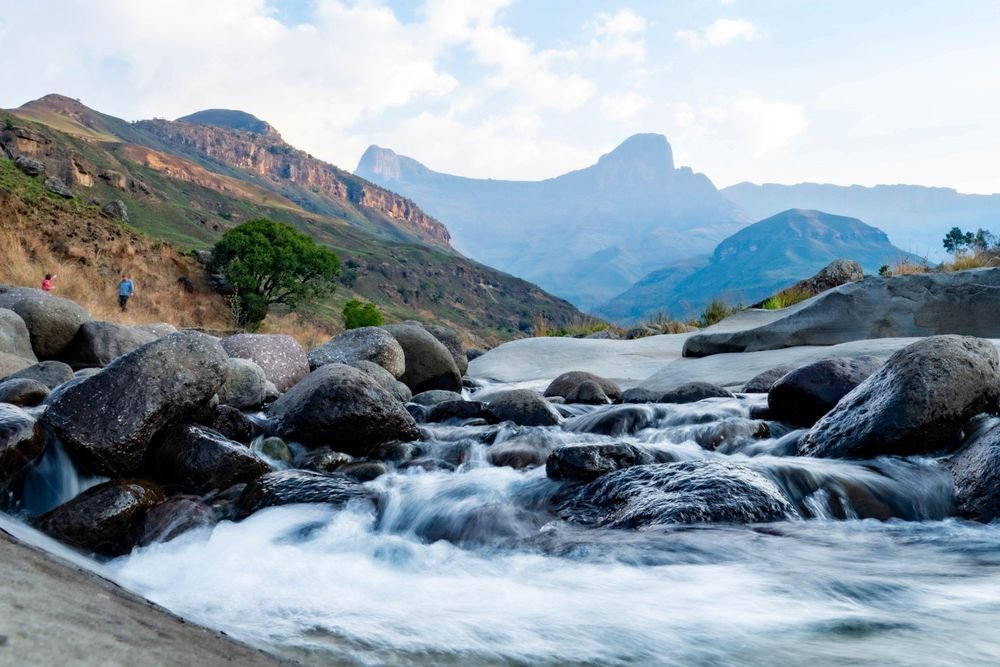
South Africa’s National Water Week 2026: Highlighting the Upper uThukela Water Fund Project
From March 16 to 20, 2026, South Africa will celebrate National Water Week, focusing on the vital Upper uThukela Water Fund (UTWF) project, an essential initiative aimed at protecting a key water source in KwaZulu-Natal. This project is spearheaded by the conservation NGO WILDTRUST, showcasing a robust commitment to safeguarding vital water resources through science, innovative practices, and collaborative community efforts.
National Water Week: A Call for Responsible Water Usage
Coordinated each year by the Department of Water and Sanitation, National Water Week serves as a clarion call, urging responsible water consumption and the protection of South Africa’s precious freshwater resources. In conjunction with this event, World Water Day on March 22 will reinforce the campaign’s message with the theme “Water and Gender” and the slogan “Where Water Flows, Equality Grows.”
The Importance of the Upper uThukela Catchment
The Upper uThukela catchment plays a pivotal role in South Africa’s water security, supplying significant portions of KwaZulu-Natal and acting as a primary water source for Gauteng province through its inter-basin transfer to the Vaal River system. However, this vital resource is increasingly threatened by population growth, climate change, and environmental degradation.
Invasive alien species and unsustainable land management practices are severely compromising both the quantity and quality of available water. To combat these challenges, the UTWF unites the efforts of WILDTRUST, The Nature Conservancy (TNC), and Nature for Water (N4W), leveraging scientific expertise to enhance water security in the region.
Implementing Nature-Based Solutions for Water Security
The UTWF leverages Nature-based Solutions (NbS) that include:
- Removing invasive plant species
- Rehabilitating eroded landscapes
- Improving rangeland management
This innovative approach promises an impressive benefit-cost ratio of 2.3:1 and an anticipated net present value of R216 million over the next 30 years.
A Catalyst for Local Development
More than just a conservation effort, the UTWF serves as a catalyst for local economic growth. The project is poised to enhance job creation, improve food security, and conserve biodiversity. It aligns with the global 30×30 conservation target, with local communities committed to safeguarding 32,000 hectares of nearly pristine mountain and grassland near the Drakensberg World Heritage Site.
Formal Protection Under National Biodiversity Stewardship
This region is expected to receive formal protection within the next three years through the National Biodiversity Stewardship program. Kirsten Oliver, Deputy Director of Conservation Programmes at WILDTRUST, stated, “The Upper uThukela is not just a water source; it is the lifeblood of people, economies, and ecosystems across two provinces. Water security here is water security for millions.”
Investment and Economic Impact
Further evaluating the project’s viability, Oliver detailed an investment estimate of R164 million over a 30-year period in a prioritized NbS portfolio, which could unlock benefits worth approximately R380 million. This includes securing an annual water supply of 9 million m³, minimizing water treatment costs, avoiding infrastructure replacement expenses, and generating R62 million for local communities through carbon credits.
Conclusion: Securing Future Water Supply
In addition to financial and economic advantages, the UTWF places high importance on habitat restoration, biodiversity protection, and improved livelihoods, making this investment a compelling solution for sustainable water security and resilience in the region. As National Water Week 2026 approaches, it serves as a timely reminder that access to clean, flowing water should never be taken for granted. Protecting strategic water sources is essential for ensuring resilience, opportunity, and equality for both current and future generations.
