

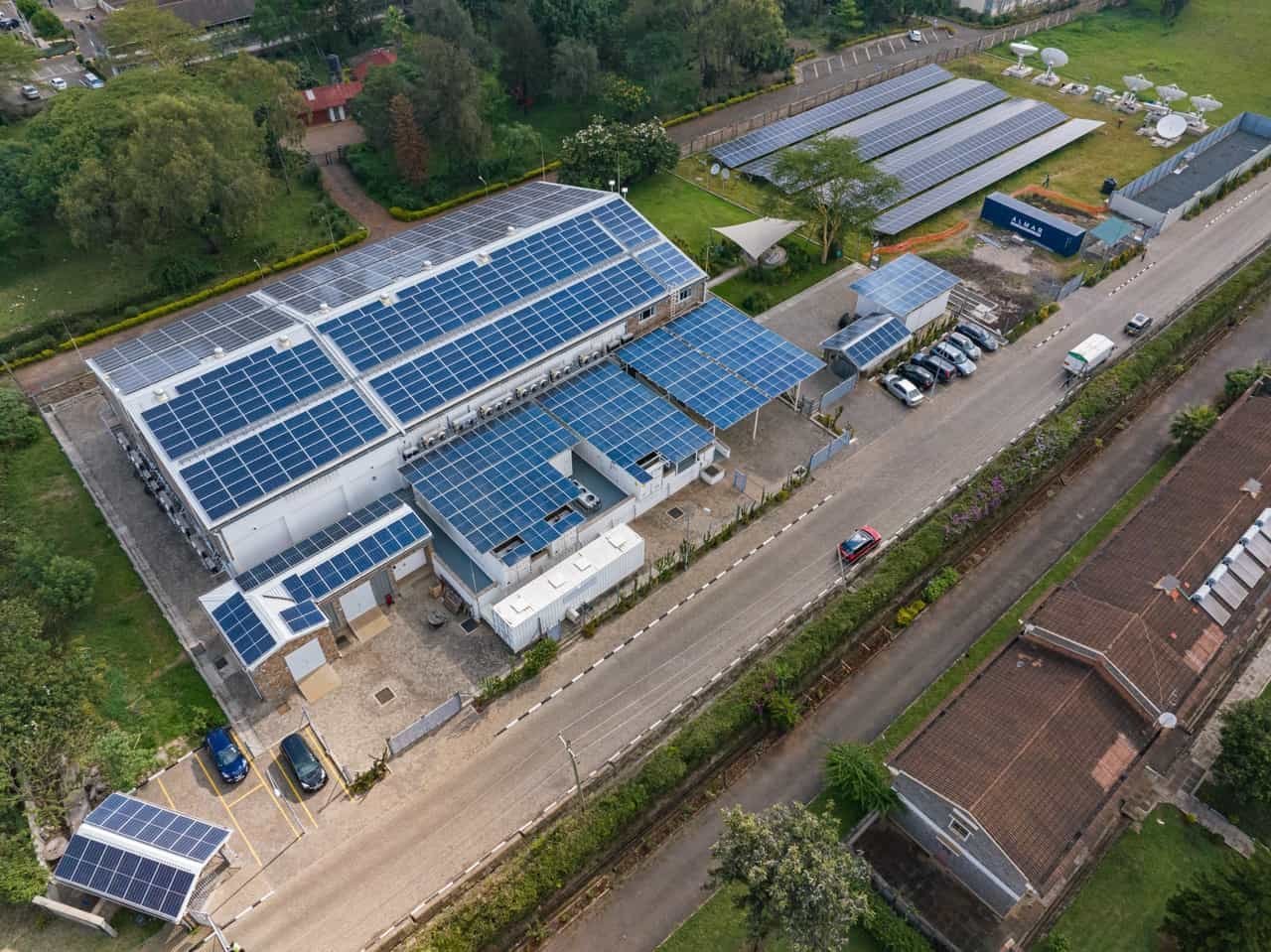

At the recent Mobile World Congress 2026 in Barcelona, Philip Thigo, Kenya’s Special Envoy for Technology to the UN, urged global investors to establish artificial intelligence (AI) data centers in Kenya. He warned that Africa risks lagging in the digital economy without robust computing infrastructure, emphasizing the critical need for localized AI resources.
Kenya is already recognized as a leading technology destination within Africa, and the establishment of localized AI infrastructure could be pivotal in outracing competitors like South Africa and Nigeria in the continent’s AI landscape. The logic is clear: AI development necessitates significant computing power, housed in specialized data centers equipped with advanced hardware, storage solutions, and high-speed networking. Without these facilities, developers are at the mercy of offshore cloud services, which elevate costs and stifle local innovation.
This perspective garnered traction back home, particularly resonating with Kiharu MP and Kenya Power (KPLC) shareholder Ndindi Nyoro, who advocates for the liberalization of power production. Nyoro highlighted that transforming Kenya into a high-tech hub requires re-evaluating its energy production, arguing for the dismantling of entrenched patronage within Independent Power Producers (IPPs) and Power Purchase Agreements (PPAs) that inflate electricity costs.
Despite the government’s enthusiasm, many Kenyans remain skeptical. Given that the nation grapples with basic utility service provision, ambitions to host large-scale AI infrastructure seem disconnected from the everyday reality of its citizens.
Understanding the AI Infrastructure Demand
The public’s concerns stem from the immense resources necessary to sustain the emerging AI ecosystem. Generative AI, in particular, is known for its high demand for resources. Global studies report that a large AI data center can consume up to 100 megawatts (MW) of energy, enough to power over 100,000 homes. Additionally, the servers generate significant heat, prompting the need for extensive cooling systems, leading to a water consumption of between 1 million to 5 million gallons daily for cooling purposes. For perspective, just one AI chat session can use roughly a 500ml bottle of fresh water.
Kenya has made notable progress in the traditional data center market, recently witnessing developments like Airtel Kenya launching East Africa’s largest data center at Tatu City and initiatives at Konza Technopolis. However, the nature of AI data centers presents unique challenges, particularly given the current instability of the national grid.
Kenyans have voiced their concerns regarding the feasibility of hosting AI data centers without addressing foundational infrastructural issues. Critics highlight the irony of inviting resource-intensive operations to a nation struggling with water scarcity, where Nairobi residents frequently face water rationing, and regions like Northern Kenya endure severe droughts. The idea of diverting millions of liters of water daily to cool server farms while ordinary citizens grapple with skyrocketing water costs is profoundly disheartening.
The energy debate is equally contentious. Currently, Kenya has the highest electricity costs in East Africa, and its grid is already overburdened, often experiencing blackouts and voltage instabilities. If the government cannot guarantee affordable and reliable electricity for everyday necessities, the vision of hosting large-scale data centers remains implausible.
Environmental Concerns and Community Impact
In addition to utility issues, it is crucial to examine the environmental ramifications of AI facilities. Global pushback against disruptive AI projects, such as Elon Musk’s controversial AI data center in Memphis, highlights the potential pitfalls. Establishing data centers near residential or agricultural zones raises logistical challenges. Given the unreliability of KPLC’s grid, these centers would likely depend on large industrial generators, leading to harmful diesel emissions and constant noise pollution. Furthermore, the occupation of fertile land for server farms, alongside the strain on local power infrastructures and the risk of occupational hazards, are significant concerns.
While Kenya’s ambitions as a technological leader in Africa are admirable, there is a prevailing public sentiment that until essential services like electricity and water are reliably provided to its citizens, the hope of attracting power-intensive AI data centers will remain just that—hope.
The Potential Opportunity Ahead
Despite the doubts, the argument for investing in AI infrastructure holds considerable value. Establishing local data centers could minimize latency for applications developed in Africa, drive down cloud service costs, and facilitate data processing within regional jurisdictions. Moreover, these centers could foster the development of AI solutions tailored to African languages, healthcare, agriculture, and educational systems.
There is also a geopolitical dimension to consider. Countries that control computing resources often dictate innovation trajectories—currently evident as the US houses nearly 40% of the world’s data centers. In contrast, Kenya only operates two AI-capable centers, while South Africa boasts five and Nigeria has one. This disparity likely contributes to South African cities leading the AI race in Africa.
For Kenya, securing AI infrastructure would enhance its aim to be a technology leader on the continent. However, without successfully addressing the most fundamental logistical and infrastructural challenges, the concept of hosting data-hungry AI centers will continue to evoke skepticism and resistance.
Related Articles
