Misty Copeland’s Firebird at the 2026 Oscars: A Cultural Legacy
As published in Bravo Magazine!
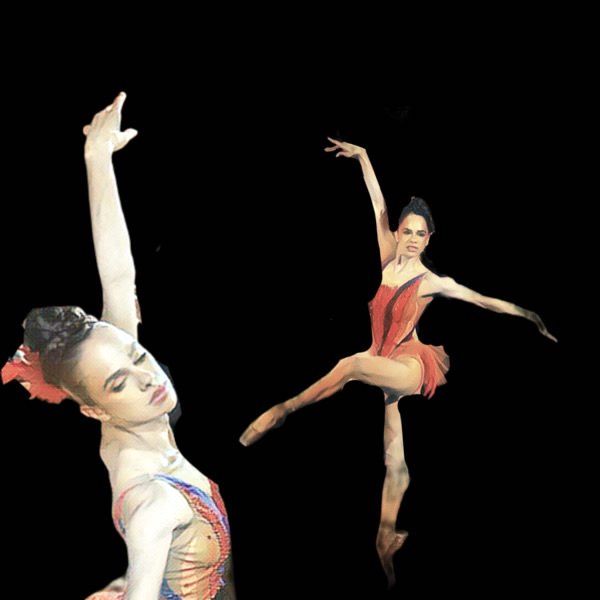
When Misty Copeland graced the stage at the 2026 Academy Awards, she wore the iconic Firebird costume designed by Geoffrey Holder for the Dance Theatre of Harlem. This moment transcended mere aesthetics; it encapsulated over a century of dance history and illuminated the cultural significance of that evening’s performance.
The Role of Culture in Performance
During the number I Lied To You, from the film Sinners, Copeland’s appearance merged two crucial aspects of African American culture—music and dance. The performance not only highlighted the blues’ profound impact on American popular music but also established a connection to ballet, which has long fought for representation in the arts.
The Historical Significance of the Firebird
The Firebird, first presented in 1910 with music by Igor Stravinsky and choreography by Michel Fokine, remains a critical fixture in ballet. This pioneering work emerged during a period of stylistic change in dance and introduced a striking visual language. Characterized by fiery red tones and dynamic movements, the Firebird symbolizes renewal and transformation.
This character was initially brought to life by Tamara Karsavina, with Stravinsky closely involved in the rehearsals. His collaboration with Fokine marked a significant departure from traditional ballet, showcasing a magical character defined by powerful, unpredictable movements.

A Modern Interpretation
Misty Copeland’s connection to the Firebird is deeply personal, as she has performed this iconic role herself. In 2012, she starred in a new version choreographed by Alexei Ratmansky, melding Russian traditions with contemporary influences while showcasing the character’s intense physicality.
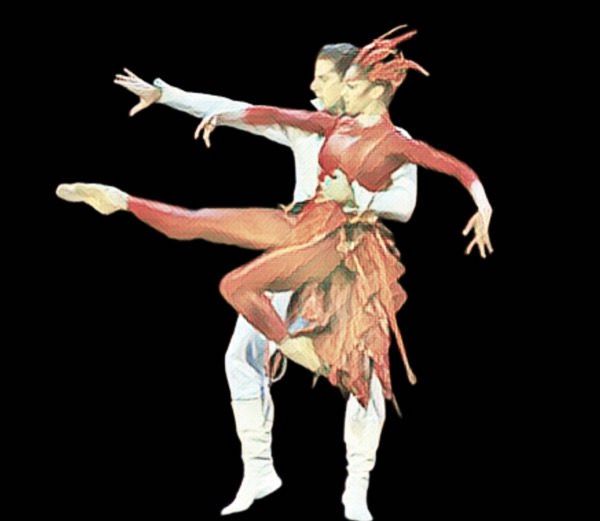
At the Oscars, Copeland didn’t merely don a historic costume; she revived a character from her own artistic journey. By wearing Holder’s design from the Dance Theatre of Harlem, she evoked a rich lineage within Black American dance history.
The Impact of Dance Theatre of Harlem
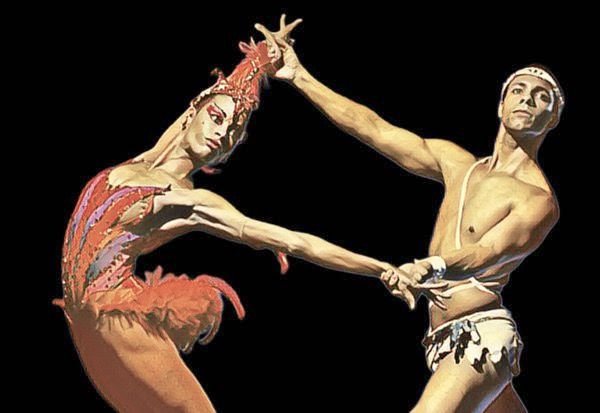
The 1982 version of the Firebird, choreographed by John Taras for the Dance Theatre of Harlem, took the classic tale and reimagined it through a Caribbean perspective. This production featured vibrant sets and costumes, integrating various cultural aesthetics and offering fresh interpretations of Stravinsky’s score.
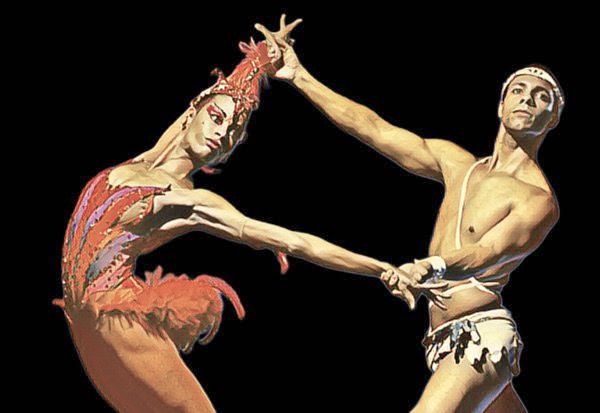
The premiere marked a turning point for the company, established by Arthur Mitchell, with Stephanie Dabney originating the role of the Firebird. This version entered the core repertoire of the company and achieved international acclaim.
A Continued Legacy
Over the years, many ballerinas from the Dance Theatre of Harlem have interpreted the Firebird, introducing new dimensions to the character. Despite a hiatus from 2004 to 2010, the revival of the ballet and its reimagining are highly anticipated, especially with support from the University of North Carolina School of the Arts.
Symbolism in Performance
Copeland’s appearance at the Oscars resonates deeply with the ongoing cultural dialogue through dance and music. By performing in the Firebird costume, she not only represented an iconic ballet figure but also celebrated the ongoing cultural evolution within American ballet.
Conclusion
The Firebird is intrinsically linked with themes of transformation and resilience. At the 2026 Oscars, Misty Copeland turned a brief musical piece into a moment of cultural reflection. Her performance served as a reminder of the interconnectedness of various art forms, showcasing how a single costume can embody an entire cultural narrative.
For more insight into the history and impact of the Firebird in ballet, you can explore Dance Theatre of Harlem and their cultural contributions.