

The Future of Clean Cooking in Africa: How Pellet Gasifier Stoves Can Revolutionize Household Energy
Across Africa, a significant portion of the population relies on charcoal and firewood for cooking. While these traditional fuels are often economical, they pose serious environmental and health challenges. Liquid petroleum gas (LPG) and electricity are frequently hailed as modern alternatives, but many households still find them either unaffordable or unreliable. Enter Ener-G-Africa (EGA), an innovative energy access solutions company based in South Africa and Malawi, which is championing the use of pellet gasifier stoves as a sustainable alternative.
Understanding Pellet Gasifier Stoves
How Pellet Stoves Work
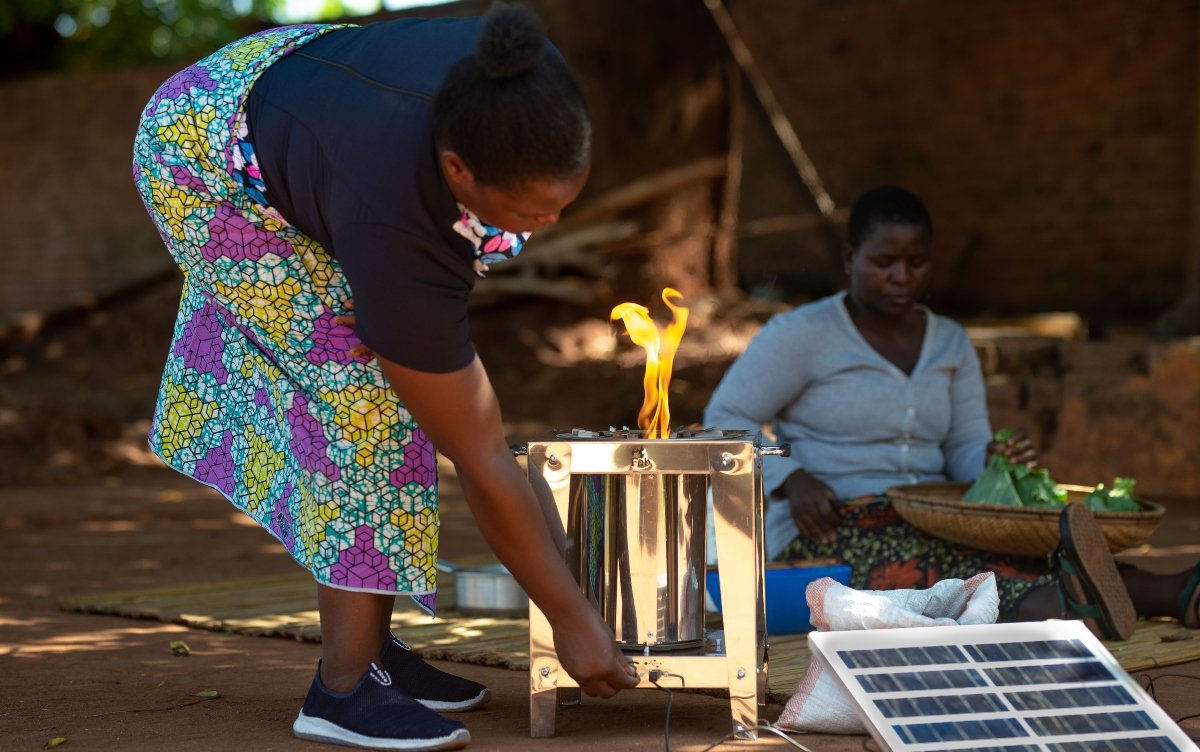
Pellet stoves convert small biomass pellets made from agricultural residues—such as maize stalks, sawdust, or elephant grass—into clean-burning gas. A built-in fan regulates airflow to ensure nearly complete combustion, leading to minimal smoke emissions. This technology has been tested against international standards, achieving efficiency and emissions ratings of Tier 4 to Tier 5, comparable to modern gas or electric stoves.
The tier system, developed by the World Health Organization (WHO), categorizes cooking methods from Tier 1 (most polluting) to Tier 5 (cleanest). Achieving Tier 4 or higher means that these stoves emit very little smoke and carbon monoxide, ensuring safe indoor air quality according to WHO guidelines.
The Impact of Pellet Stoves in Zambia
The Zambia Clean Cooking Project
EGA is currently piloting its pellet stove technology through the Zambia Clean Cooking Project, supported by the Modern Cooking Facility for Africa (MCFA), which is funded by Sweden, Norway, and the EU. In Lusaka trials, 97% of participating families preferred EGA’s FAB pellet stove over traditional charcoal or electric alternatives. Notably, families enjoyed quicker cooking times, less smoke, and cleaner kitchens. Economically, transitioning from charcoal to locally sourced biomass pellets slashed fuel costs by half, saving households around 2,730 ZMW annually (approximately 2,080 ZAR).
With an initial investment for a full FAB stove kit—complete with a solar panel and a power bank for fan operation and backup lighting—households can see a return in just 21 weeks. This system is designed for everyday use, providing a reliable alternative even during power outages.
Economic and Social Benefits
The model implemented by EGA goes beyond cost savings. It supports local job creation and environmental sustainability by utilizing agricultural waste to produce pellets, thus curtailing deforestation and reducing open-field burning. EGA’s approach also fosters gender equity, with about 60% of trial participants being women. The cleaner and faster cooking technology enables them to pursue income-generating activities while alleviating health risks associated with traditional cooking methods.
Scaling Clean Energy Solutions
EGA is expanding its initiatives nationwide with plans to establish 20 retail shops, 100 community sales agents, and two pellet factories in Chongwe and Mazambuka. This strategy aims to make clean cooking both accessible and practical for all Zambian households.
Heli Sinkko, Fund Manager for MCFA at Nefco, stated, “Ener-G-Africa is an experienced and innovative provider of clean energy products. By investing in local production, we can make clean cooking affordable and sustainable for millions.”
An Overlooked Opportunity for Africa
Pellet gasifier stoves present a unique opportunity for making clean energy widely available in Africa without the need for ongoing subsidies, fossil fuel imports, or dependency on grid systems. The trial findings emphasize the potential for replacing traditional charcoal—still used by approximately 90% of Lusaka households—with sustainable biomass fuel derived from agricultural waste.
This transition not only addresses affordability but also bolsters local job creation, enhances indoor air quality, and alleviates pressure on Zambia’s forestry resources. By fostering the adoption of pellet stoves and establishing a sustainable value chain, EGA is creating practical solutions that align with global climate goals.
For more information, visit Ener-G Africa.
