

Celebrating Women in Science: Unsung Heroes of History
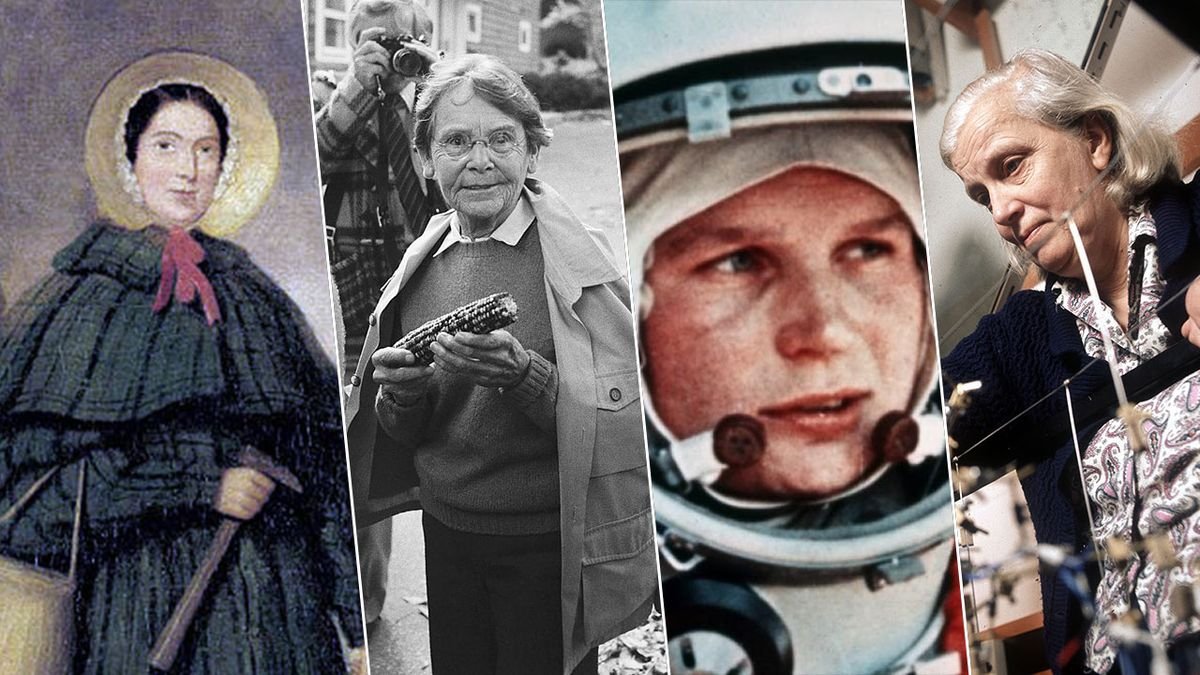
History is rich with remarkable women whose groundbreaking contributions have significantly shaped the world of science. While figures like Marie Curie and Ada Lovelace are household names, numerous other women such as fossil expert Mary Anning and NASA mathematician Katherine Johnson have not received the recognition they deserve. This International Women’s Day, we honor 22 pioneering women in science, whose legacies are both inspiring and impactful.
Rosalind Franklin
Contributed to the Discovery of the Structure of DNA
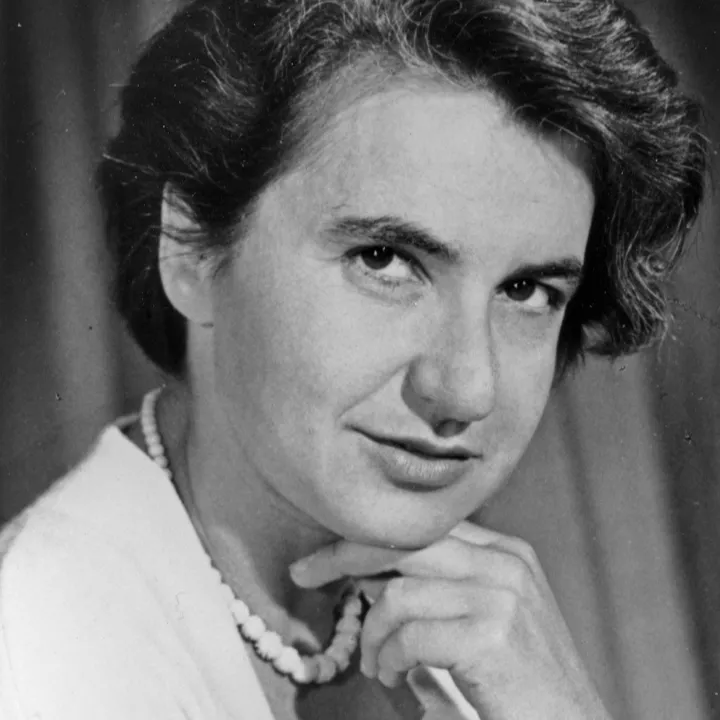
Rosalind Elsie Franklin © Universal History Archive/UIG via Getty Images
Born in 1920 in Notting Hill, British chemist Rosalind Franklin made pivotal contributions to the understanding of DNA’s structure. In 1942, her research at London Coal examining carbon properties supported the war effort. By 1950, she discovered two forms of DNA and later deduced the helical structure based on X-ray data at King’s College London. Tragically, Franklin passed away in 1958 at just 37, with her groundbreaking work often overshadowed by her male counterparts.
Janet Taylor
Designed Instruments for Nautical Navigation
Janet Taylor, born on May 13, 1804, in England, revolutionized maritime navigation with her extensive knowledge of lunar distance for measuring longitude. She authored numerous nautical textbooks and operated a manufacturing business for navigational instruments. Taylor’s contributions were officially recognized by authorities in the maritime community, earning her several awards and patents, yet she passed away in relative obscurity in 1870.
Beatrice Shilling
Daredevil Motorcyclist and Engineer Who Saved Fighter Pilots’ Lives
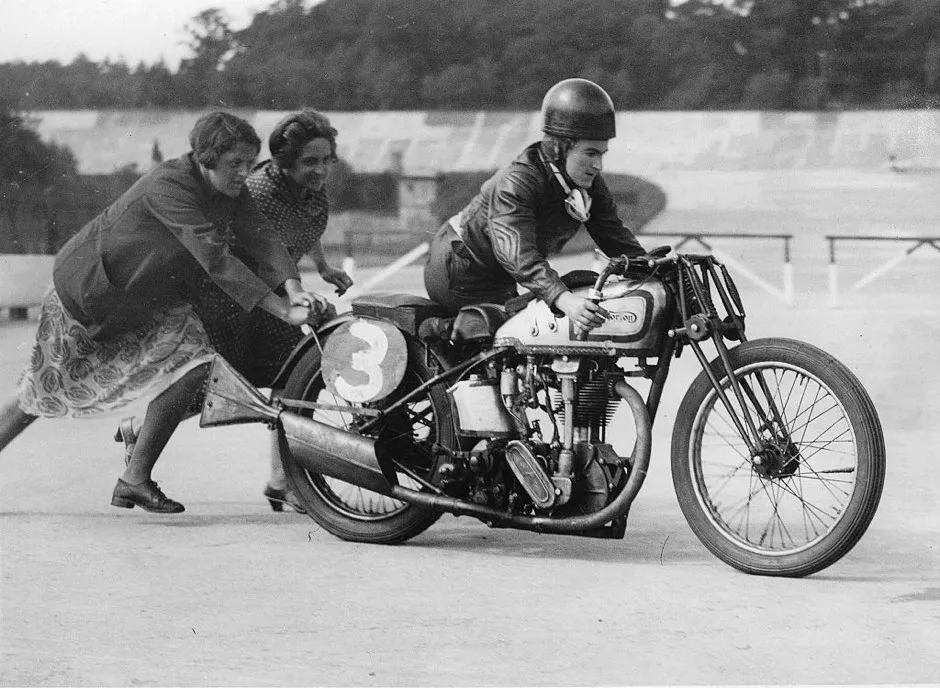
Beatrice Shilling on her motorcycle © Getty Images
An aeronautical engineer born in 1909, Beatrice ‘Tilly’ Shilling was instrumental during WWII. In 1941, she invented a device that resolved engine stall problems in RAF fighter planes. Shilling’s ingenuity allowed pilots to operate safely and efficiently, contributing significantly to the war effort.
Dorothy Hodgkin
Discovered the Structure of Insulin
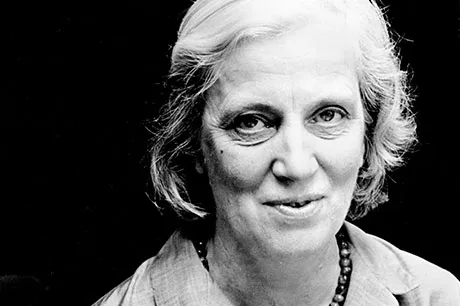
Dorothy Crowfoot Hodgkin © Getty Images
Born in 1910, Dorothy Hodgkin was a groundbreaking chemist who became the first British woman to win a Nobel Prize in Chemistry in 1964 for her work on X-ray crystallography, which mapped the structure of molecules such as insulin.
Katherine Johnson
"Hidden Figure" and NASA Computer
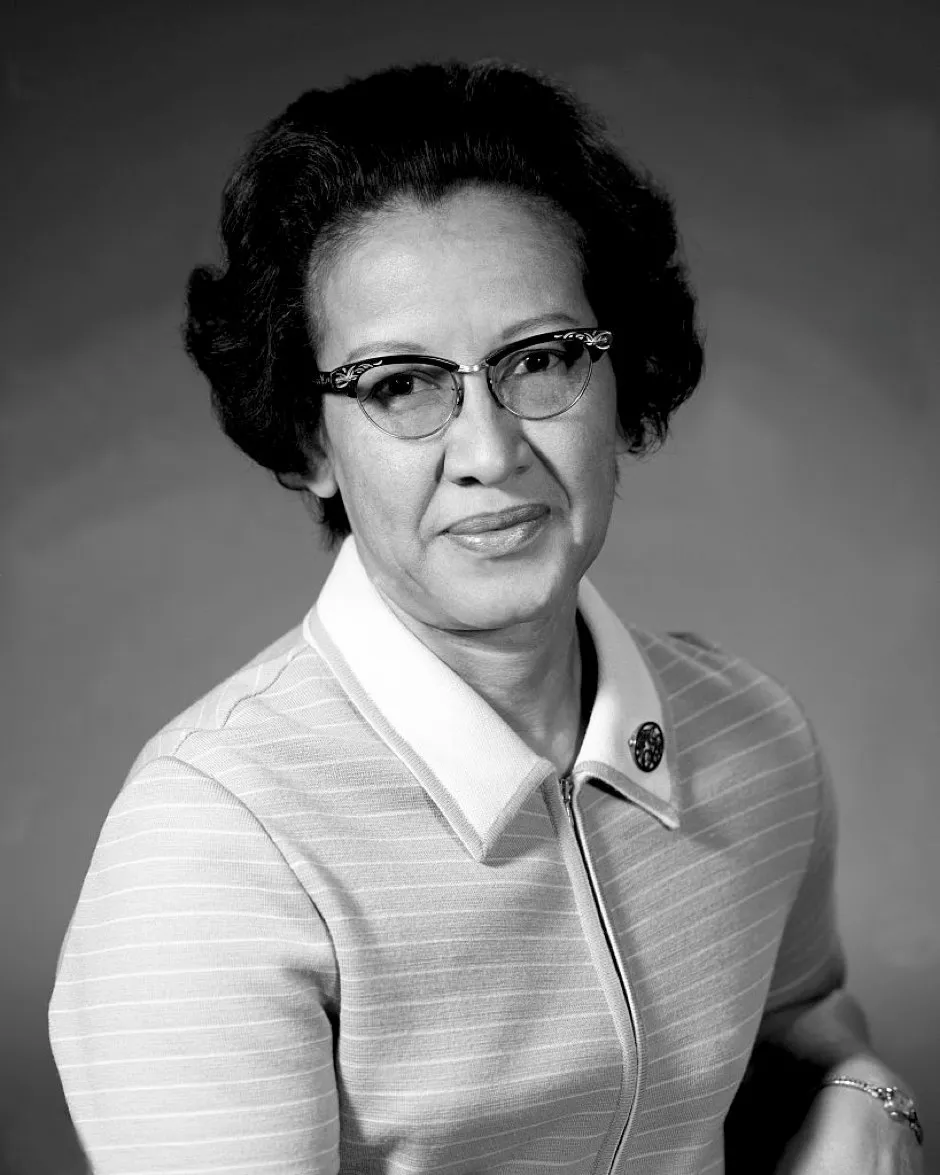
Katherine Johnson, in 1955 © NASA/Smith Collection/Gado/Getty Images
Katherine Johnson was a mathematician whose calculations were crucial to the success of NASA’s early space missions. Her work was largely unrecognized until the film Hidden Figures, bringing her remarkable contributions to the forefront of public awareness.
Sophia Louisa Jex-Blake
One of the ‘Edinburgh Seven’ Who Fought to Study Medicine

Sophia Jex-Blake aged 25 © Margaret Todd (Public domain)
In the face of tremendous adversity, Sophia Louisa Jex-Blake was a key figure in advocating for women’s right to medical education in the UK. As part of the ‘Edinburgh Seven’, she faced significant opposition but ultimately helped pave the way for future generations of female medical practitioners.
Cecilia Payne-Gaposchkin
Astronomer Who Discovered the Composition of Stars
Born in 1900, Cecilia Payne-Gaposchkin was the first to correctly identify that stars are composed predominantly of hydrogen and helium. Her research laid the groundwork for modern astrophysics and earned her the distinction of being Harvard’s first female professor of astronomy.
Inge Lehmann
Discovered the Composition of the Earth’s Core
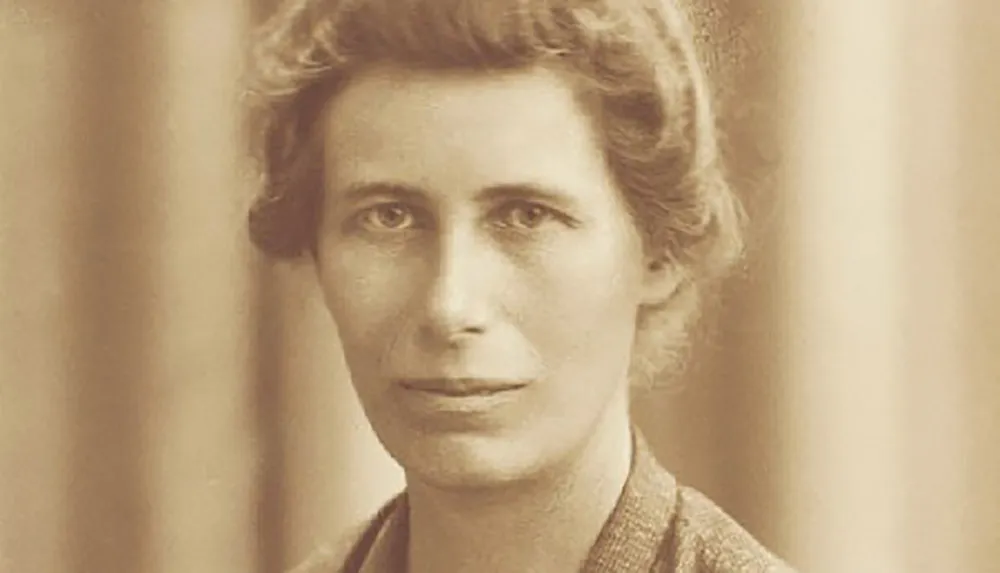
Danish seismologist Inge Lehmann, shown in 1932 © The Royal Library, National Library of Denmark
Inge Lehmann’s groundbreaking work revealed the existence of Earth’s solid inner core by analyzing seismic wave data. Her findings transformed our understanding of geology.
Caroline Herschel
First Woman to Discover a Comet
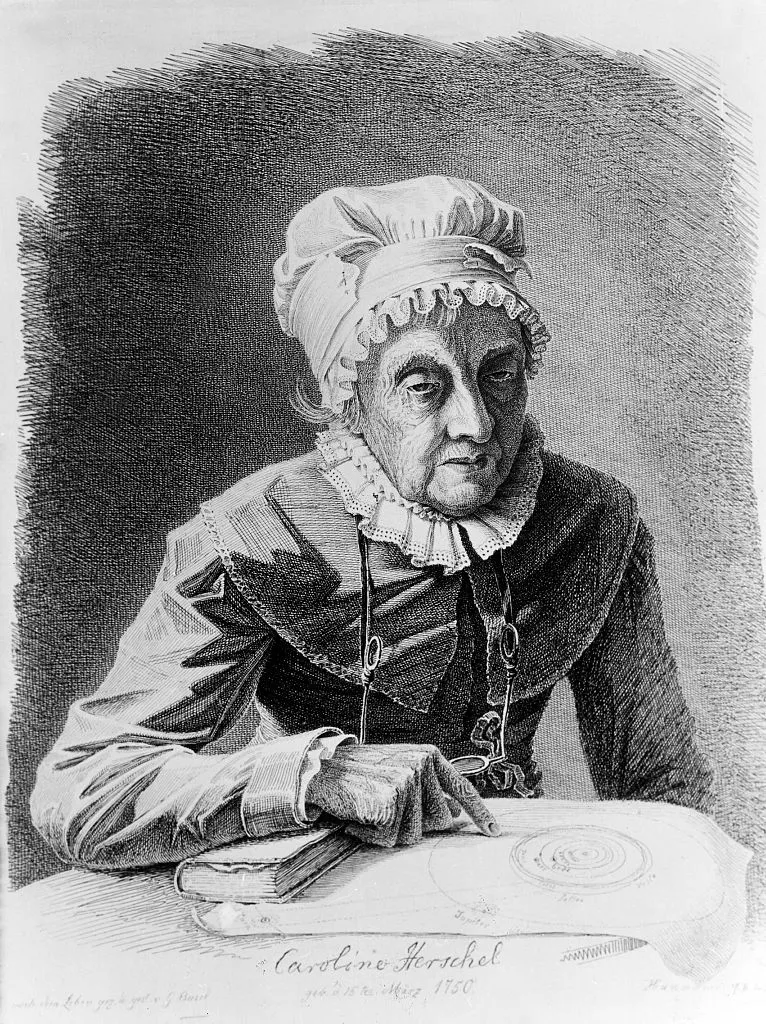
Caroline Herschel © ullstein bild/ullstein bild via Getty Images
Caroline Herschel, credited as the first woman to discover a comet, made significant contributions to astronomy alongside her brother William Herschel. Her discoveries led to her being recognized with numerous awards and honors.
Mary Anning
Discovered the First Complete Fossil of a Dinosaur
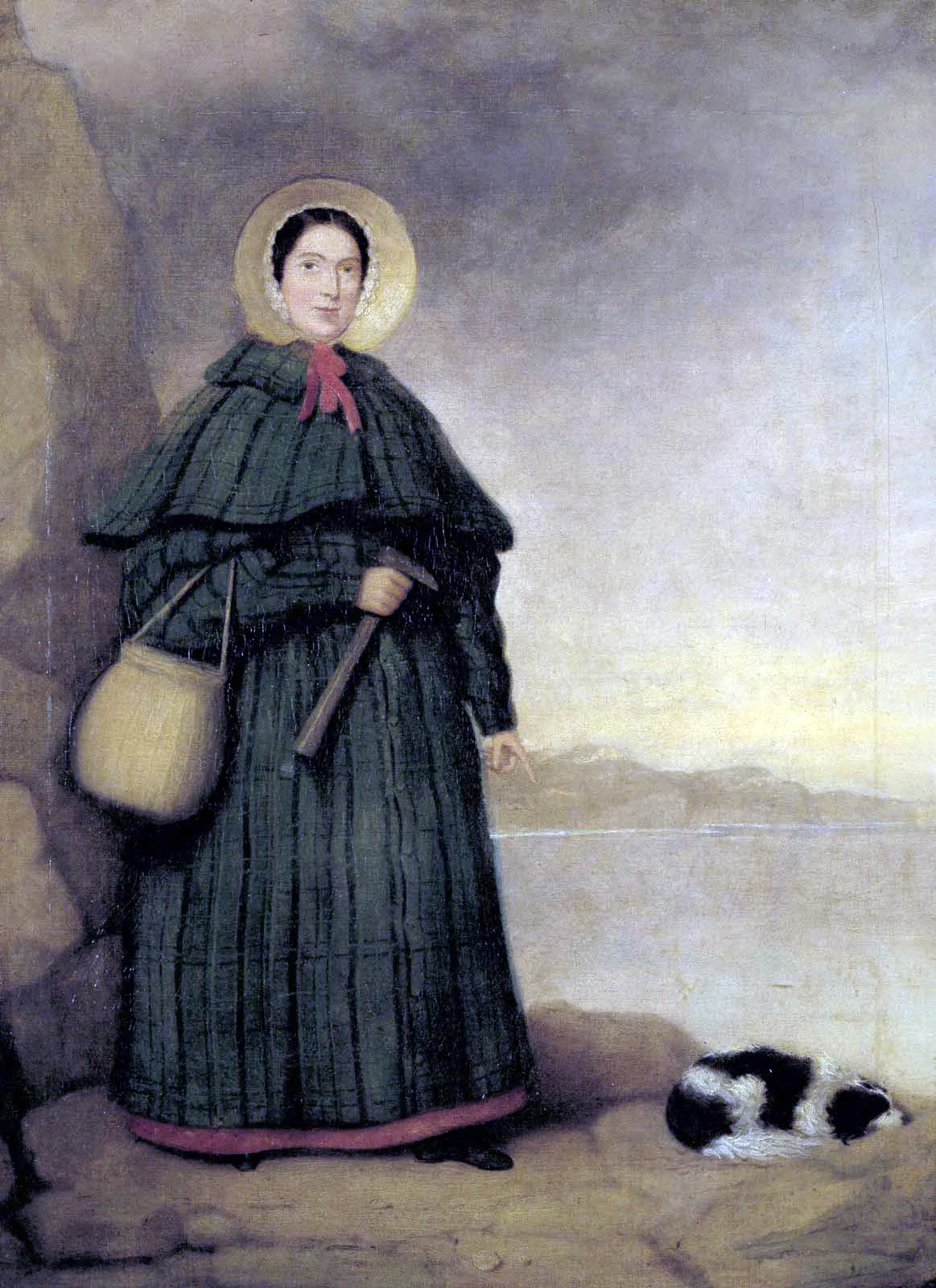
Credited to ‘Mr. Grey’ in Crispin Tickell’s book ‘Mary Anning of Lyme Regis’ (1996) (Public domain), via Wikimedia Commons
Despite numerous societal barriers, Mary Anning made significant discoveries in paleontology, including the first complete ichthyosaurus fossil, fundamentally changing the course of scientific history.
Lise Meitner
Contributed to the Discovery of Nuclear Fission
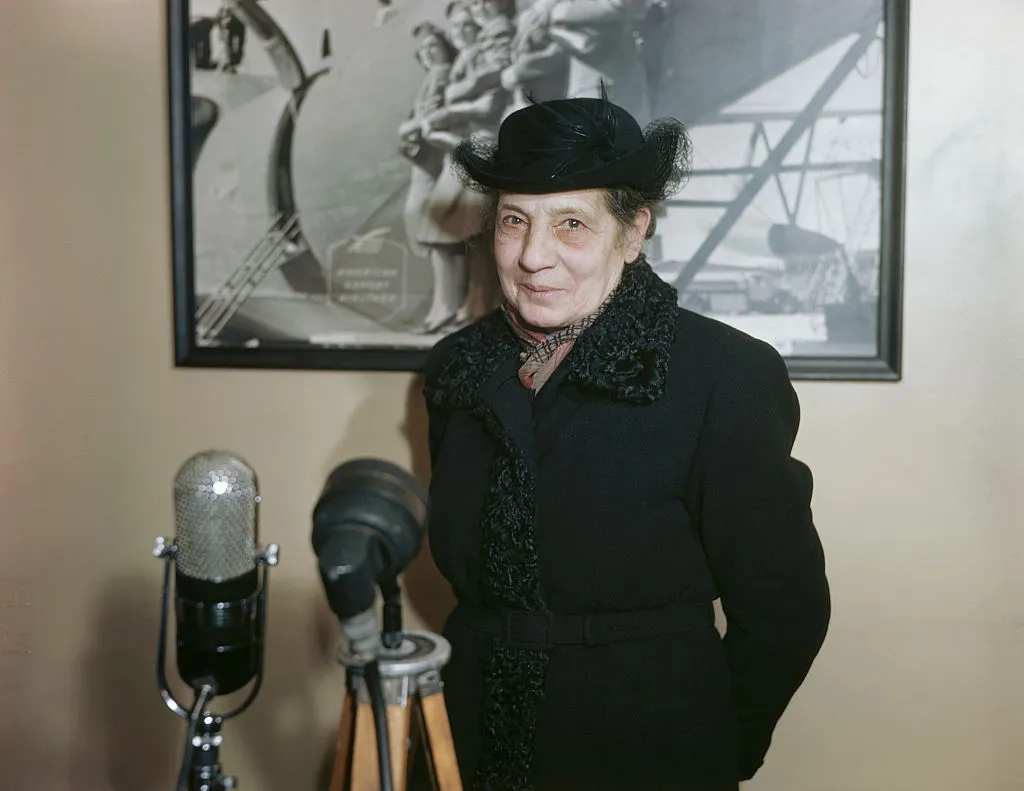
Lise Meitner © Bettmann/Getty Images
Lise Meitner played a crucial role in the discovery of nuclear fission, yet her contributions remain less recognized compared to her male peers. Meitnerium, an element named in her honor, serves as a reminder of her groundbreaking work.
Barbara McClintock
Won the Nobel Prize for the Discovery of Jumping Genes
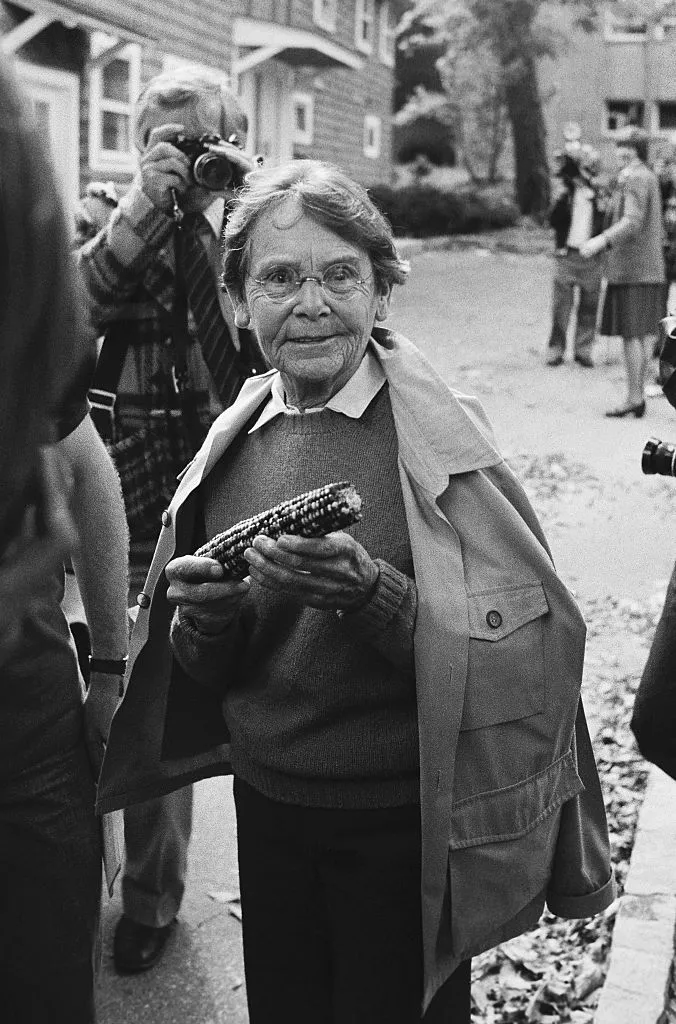
© Bettmann/Getty Images
Barbara McClintock’s pioneering research on maize led to her Nobel Prize-winning discovery of “jumping genes,” fundamentally changing our understanding of genetics and heredity.
Alice Augusta Ball
Chemist Who Cured Leprosy
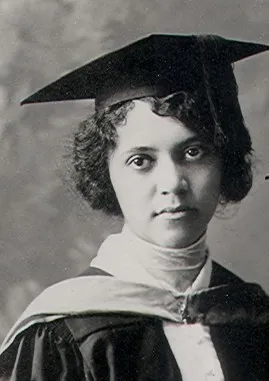
Alice Augusta Ball © Unknown author, Public domain, via Wikimedia Commons
Alice Augusta Ball developed the "Ball Method," a groundbreaking therapeutic method for treating leprosy, making significant strides in medical research at a young age.
Marie Maynard Daly
Chemist Who Studied Heart Health
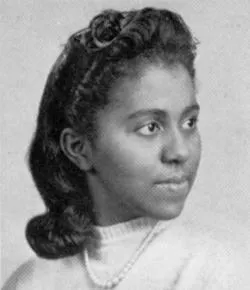
Marie Maynard Daly © Queens College Silhouette Yearbook, Public domain, via Wikimedia Commons
As the first African American woman to earn a PhD in chemistry, Marie Maynard Daly made vital contributions to the understanding of cholesterol and its effects on heart health, paving the way for future genetic research.
Women in science have long been underestimated, yet their contributions continue to shape the landscape of research and technology. Each of these extraordinary women has left an indelible mark on their fields, inspiring future generations to break barriers and pursue their passions in science. For a deeper exploration of these remarkable figures and their groundbreaking work, consider learning more through resources such as Science Focus.
Find inspiration from their stories and the significant advancements made possible through their perseverance and brilliance. Celebrate their legacies and recognize the importance of diversity in the scientific community.
