

South Africa’s Land Reform Journey: Progress, Challenges, and Future Directions
South Africa’s land reform program has been a crucial aspect of post-apartheid transformation since its initiation in 1994. As the policy landscape evolves over three decades (1994–2025), the debate surrounding land redistribution remains intense, focusing on the pace, equity, and overall impact of these initiatives.
Historical Context of Land Reform in South Africa
Upon the establishment of democracy in South Africa, the new government faced a stark reality—over 80% of agricultural land was owned by a white minority due to colonial and apartheid governance. Systematic dispossession of Black South Africans from their land left deep-rooted inequalities that necessitated urgent attention (Binswanger and Deininger, 1995).
The land reform agenda aimed to address historical injustices while fostering rural livelihoods and food security. The 1997 White Paper on Land Policy set forth a framework for restitution, redistribution, and improved tenure security (Maake, 2016).
Evolution of Land Redistribution Policies
South Africa’s land reform strategy has evolved through various policy instruments aimed at enhancing the redistribution process. Early initiatives like the Settlement/Land Acquisition Grant (SLAG) fell short due to limited funding and inadequate support structures (Mufune, 2010; Jacobs, 2012). Subsequent programs such as the Land Redistribution for Agricultural Development (LRAD), Proactive Land Acquisition Strategy (PLAS), and Financial Assistance Land (FALA) sought to enhance market-oriented mechanisms for broader accessibility and productivity (Van Reenen, 2023).
Despite these programs, the outcomes have often been uneven. Challenges such as bureaucratic delays, elite capture, lack of post-settlement support, and gender and youth exclusion continue to hinder progress (Walker, 2012; Makhetha, 2024).
Key Findings from the Land Reform Review (1994–2025)
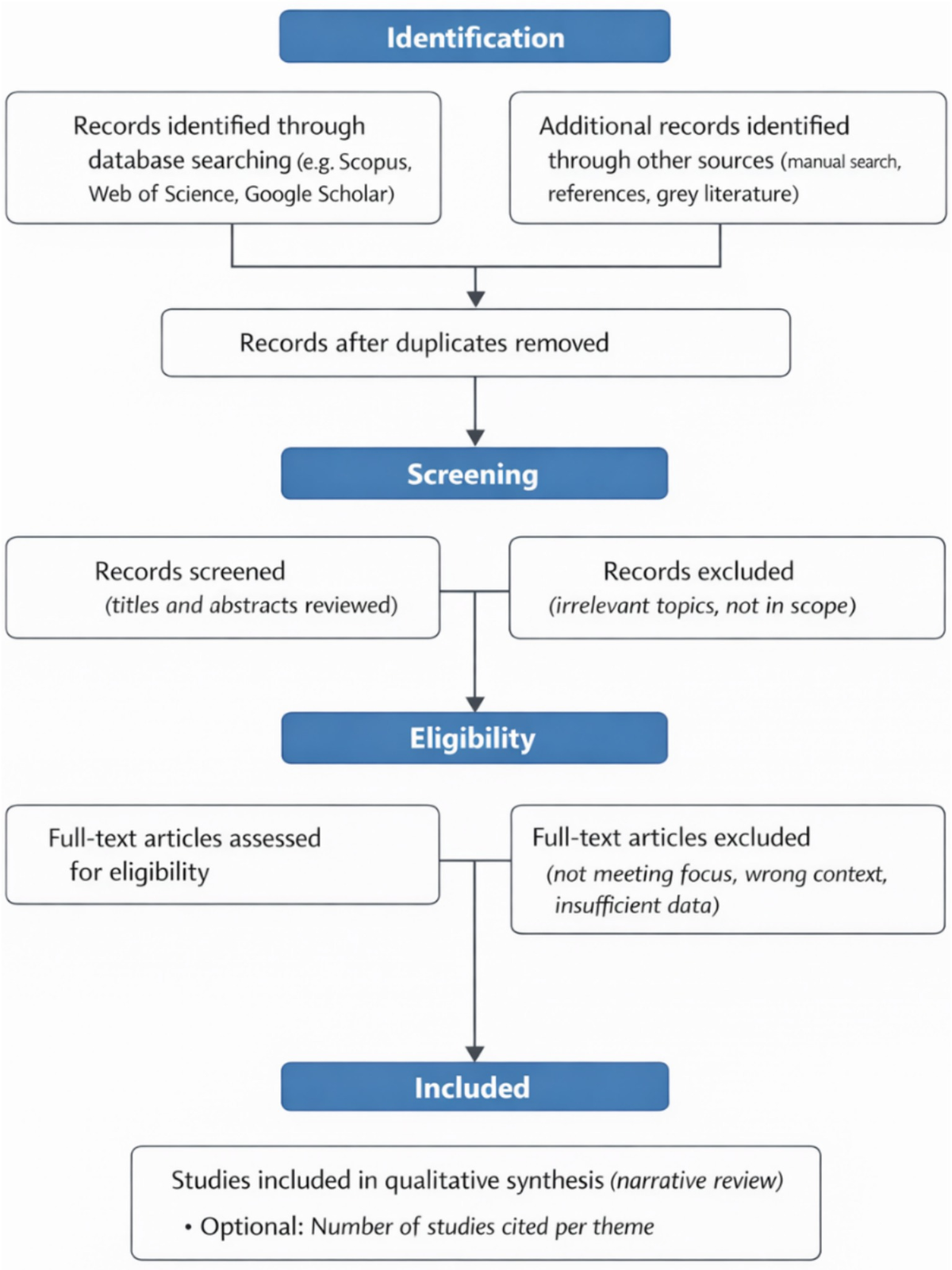
A comprehensive narrative review conducted on academic literature, government evaluations, and policy analyses revealed several crucial insights into the land reform journey:
Significant Achievements
- By 2025, South Africa had redistributed approximately 9.48 million hectares of land, settling over 83,000 restitution claims.
- Noteworthy success stories include community-run projects like the Double Drift Nature Reserve and successful farming operations such as the Ravele Community venture, highlighting the importance of participatory governance and local engagement (South African Government, 2025).
Persistent Obstacles
- Bureaucratic Inefficiencies: Delays in land transfer and inadequate post-settlement support have significantly limited productivity and livelihood improvements (Parliament of South Africa, 2024).
- Exclusion Issues: Women and youth remain underrepresented among land beneficiaries, reflecting ongoing social inequities (Masuku et al., 2023).
- Market versus Supply-Led Models: Market-led initiatives have shown higher productivity, but often favored better-resourced individuals, while supply-led programs extended access to marginal groups yet required far more support to achieve meaningful impact (Viljoen, 2021).
The Path Forward: Recommended Strategies for Inclusive Land Reform
To bridge the existing gaps and enhance the future of land reform in South Africa, the following strategies warrant consideration:
Emphasizing Participatory Governance
Active community involvement and governance reforms can ensure that land reform initiatives align with the needs of marginalized groups, promoting greater equity in access and outcomes.
Targeted Support Mechanisms
Implementing structured mentorship programs and integrating post-transfer support for beneficiaries can significantly improve productivity and sustainability of allocated land.
Digital Infrastructure and Data-Driven Planning
Utilizing digital land information systems can enhance transparency and monitoring capabilities, thereby reducing administrative bottlenecks and improving the effectiveness of land reform initiatives.
Promoting Gender and Youth Inclusion
Action-oriented strategies focusing on the empowerment of women and youth through land redistribution must be incorporated into future policies. This can be achieved by ensuring equitable representation in governance structures.
Conclusion
Despite notable achievements in land redistribution and restitution, South Africa’s journey toward equitable land reform is fraught with challenges. Systemic issues, such as bureaucratic inefficiencies and social inequities, must be addressed to unlock the full potential of land reform. Ongoing efforts should prioritize participatory governance, targeted support, and inclusive policies aimed at fostering sustainable livelihoods and food security.
For more insights on this pressing issue, explore resources on land reform policies or review the Presidential Advisory Panel report on land reform and agriculture.
This synopsis underscores the importance of collaborative efforts, informed policy decisions, and a commitment to correcting historical injustices to pave the way for a more equitable future in South Africa.
