

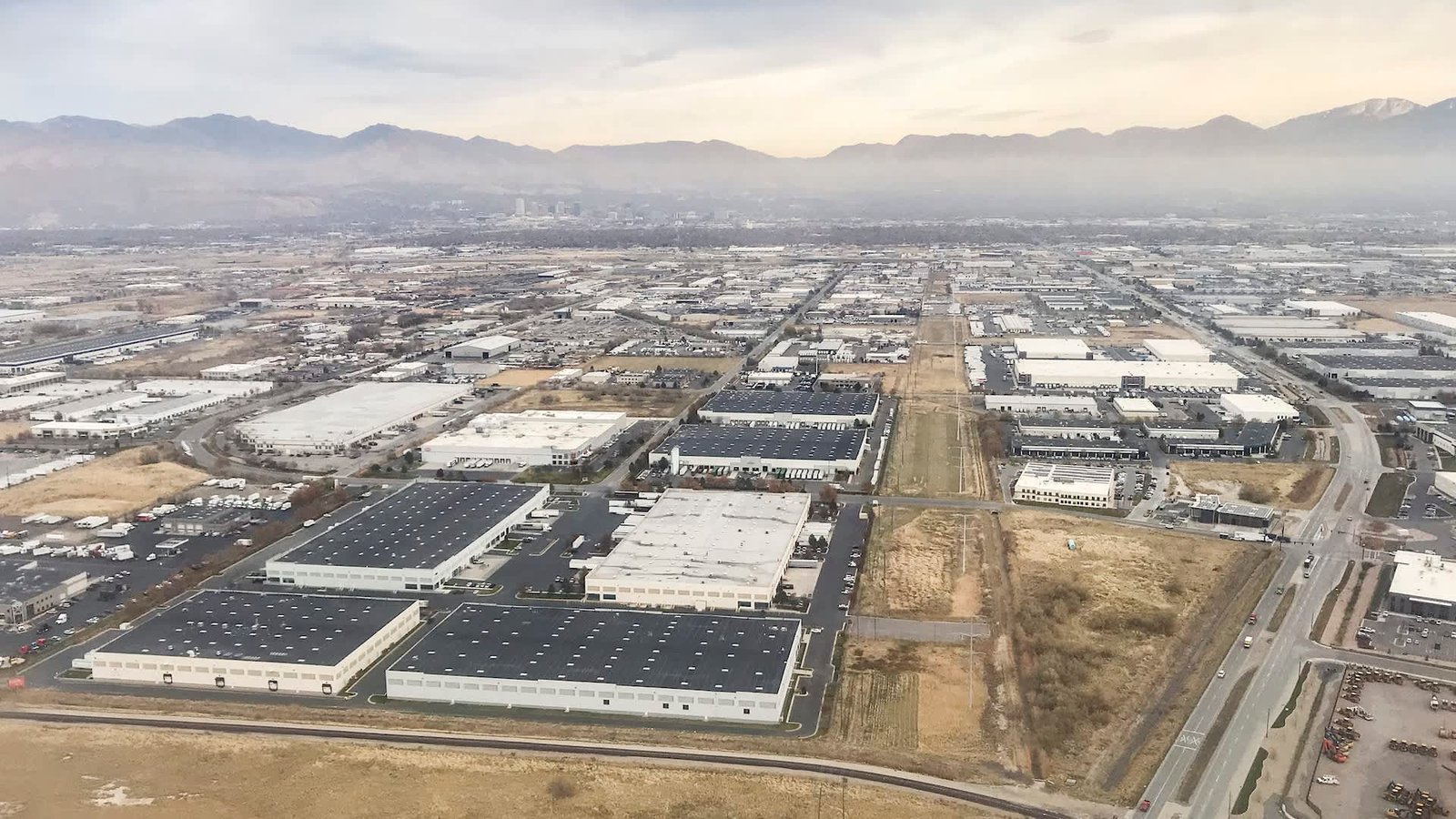
Residents of Utah are raising alarms as the rapid expansion of data centers in the state leads many companies to lean away from clean energy solutions in search of reliable power sources.
What’s Happening?
According to Grist, Utah is positioning itself as a burgeoning center for data infrastructure and advanced technologies, driven by a recent surge in large language models and artificial intelligence applications.
This ambitious growth plan, however, faces a significant hurdle: the state’s power utilities are unable to fulfill the increasing energy demands imposed by these massive data centers. As a result, the state is turning to natural gas and oil-powered generators to fuel its expansion, undermining its clean energy aspirations.
Logan Mitchell, a climate scientist and energy analyst with Utah Clean Energy, articulated the concern: “We’re kind of in a big mess right now, and it’s manifesting in all of these different ways.” The shift towards fossil fuels for energy needs poses serious environmental implications.
Why is Data Center Energy Usage Important?
The situation in Utah reflects a broader national dialogue regarding the energy consumption of data centers.
These facilities are notorious for consuming enormous amounts of electricity and water to operate effectively. While innovations like closed-loop cooling systems have somewhat mitigated their water usage, they often result in heightened electricity demands.
As data centers increasingly rely on natural gas and oil, they contribute to air pollution, releasing carbon, methane, and other harmful substances into the atmosphere. This pollution jeopardizes the natural beauty of Utah’s landscapes and threatens the state’s previous progress toward clean energy initiatives aimed at complying with federal wintertime pollution regulations. Mitchell noted, “They’re eating into all of the progress we’ve made to reduce emissions from other sources.”
What’s Being Done About Utah’s Data Centers?
Currently, Utah’s authorities appear more focused on economic development within the tech sector than on addressing the environmental consequences associated with the proliferating data centers.
There has also been a notable push for nuclear energy—a favored option backed by the federal government—over traditional renewable sources like wind and solar power, largely due to its capability to provide consistent, clean energy regardless of weather conditions. However, the implementation of such projects is still several years off, creating a potential scenario where Utah’s transition to a tech hub could worsen its environmental footprint.
As data centers continue to expand, the need for sustainable solutions becomes more pressing. The relationship between technological development and environmental responsibility will be crucial in determining the state’s path forward.
Stay informed with TCD’s free newsletters for practical tips on saving, reducing waste, and making informed choices—plus earn up to $5,000 towards clean upgrades through TCD’s exclusive Rewards Club.

