

Strengthening Southern Africa’s Energy Future: Insights from the SAPP Meeting
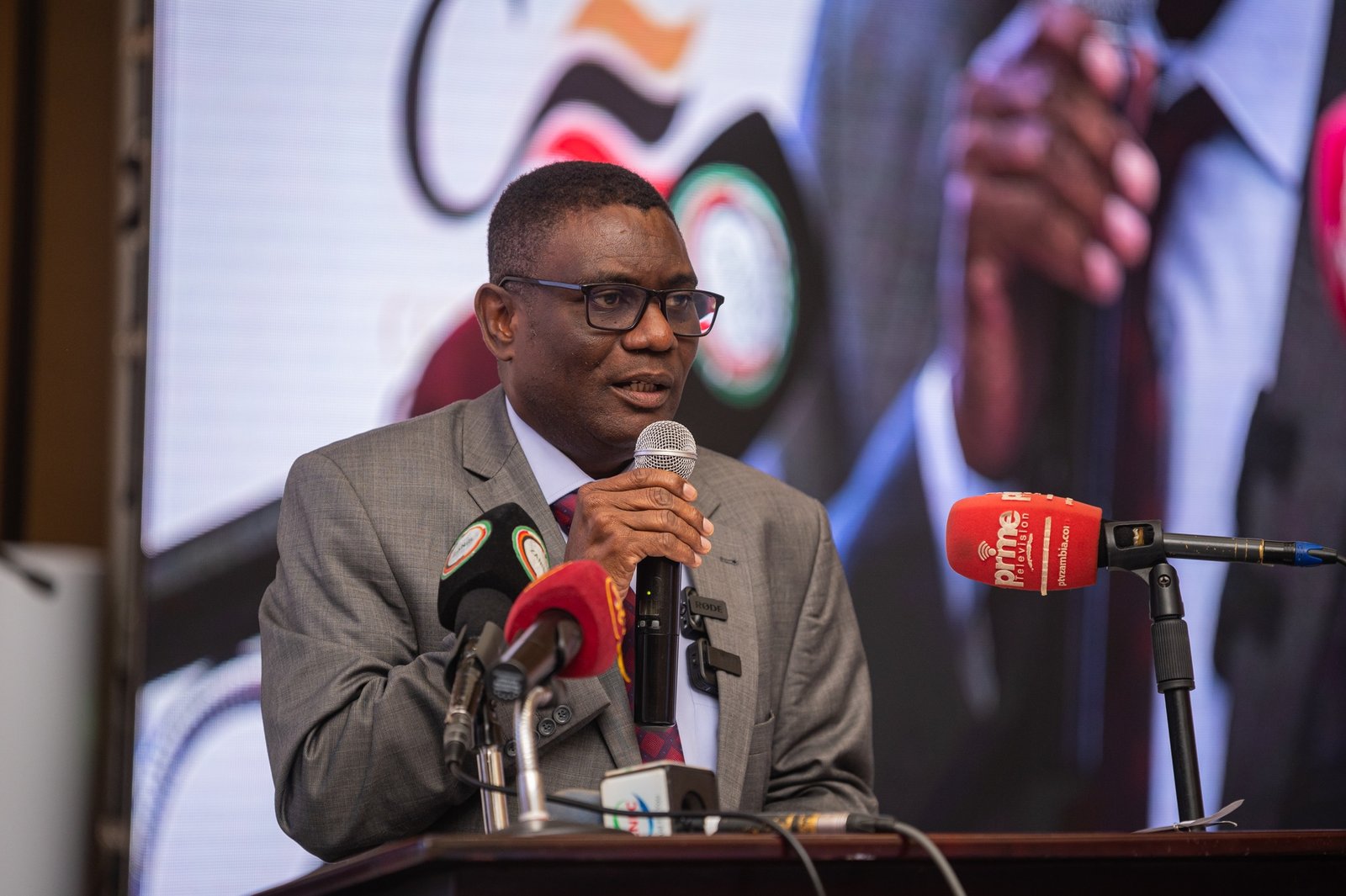
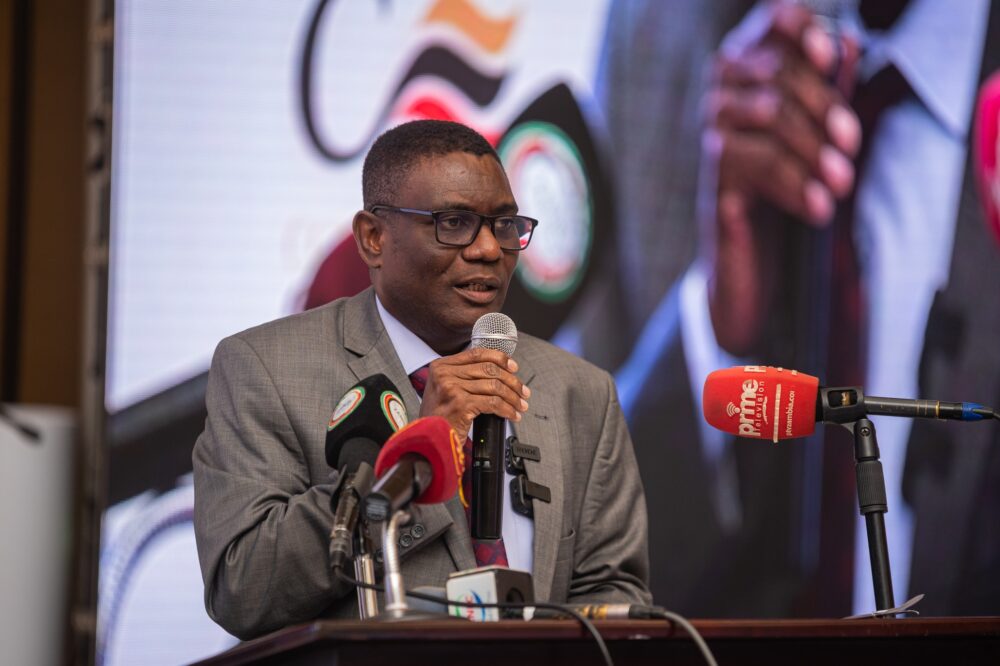
Recently, energy leaders gathered in Lusaka for a pivotal meeting of the Southern African Power Pool (SAPP), focusing on the future of regional electricity systems. With increasing power demands, outdated infrastructure, and growing climate challenges, the urgency for collaboration in energy distribution has never been greater.
The Need for Robust Energy Networks
Delegates emphasized that the expansion of cross-border transmission and distribution networks is critical. The harsh realities of climate change are disrupting traditional hydropower generation, necessitating a shift towards diverse and resilient energy sources.
Participants stressed the importance of coordinated planning and expanded regional interconnectors. Enhancing private sector participation was also highlighted as a means to create a flexible power system that can reliably integrate renewable energy and ensure consistent electricity supply for homes and industries alike.
Regional Cooperation: A Path Forward
The SAPP meeting welcomed 350 delegates from 17 power utilities across its 12 member states, a testament to the growing recognition that collaboration is essential for energy sustainability. Justin Loongo, CEO of Zambia’s Zesco, emphasized that the region’s electric demand is rapidly increasing due to industrial growth and population expansion. “We are at a critical juncture,” he remarked.
Utilities in Southern Africa are shifting from isolated operations to collaborative practices. This includes empowering the private sector to play a larger role in distributing power resources—leveraging the region’s abundant energy assets, which span solar, hydro, geothermal, and the potential for natural gas.
Addressing Energy Imbalances
Padmore Muleya, board chairperson of Kanona Power, which is working on the $100 million Zambia-Tanzania Interconnector, pointed out the disparities between systems with surplus energy and those with ongoing shortages. “The power pool exists precisely to bridge this imbalance,” he stated, highlighting the urgent need for interconnected systems as mining activities across Zambia, the Democratic Republic of Congo, and Zimbabwe ramp up electricity demand.
Governments are urging utilities to enhance transmission networks, diversify power sources, and ensure affordable electricity is accessible to all citizens. Zambia’s Minister of Energy, Makoze Chikote, further called on the SAPP to adopt off-grid solutions that are compatible with existing national grids.
Supporting Africa’s Energy Initiative
The discussions in Lusaka align with broader continental goals to reach an ambitious target: providing electricity access to 300 million Africans by 2030, under the World Bank and African Development Bank-supported Mission 300 initiative. This initiative aims to accelerate investment and foster regional cooperation to bridge the energy access gap in Africa.
Recent data revealed that SAPP’s efforts have been fruitful in battling energy poverty, with national electricity access rates climbing from 23.9% in 2018 to an estimated 29% by 2024.
As Southern Africa navigates through its evolving energy landscape, the insights derived from the SAPP meeting underscore the critical role of collaboration, investment in infrastructure, and innovative solutions to meet the region’s electricity needs sustainably.
