

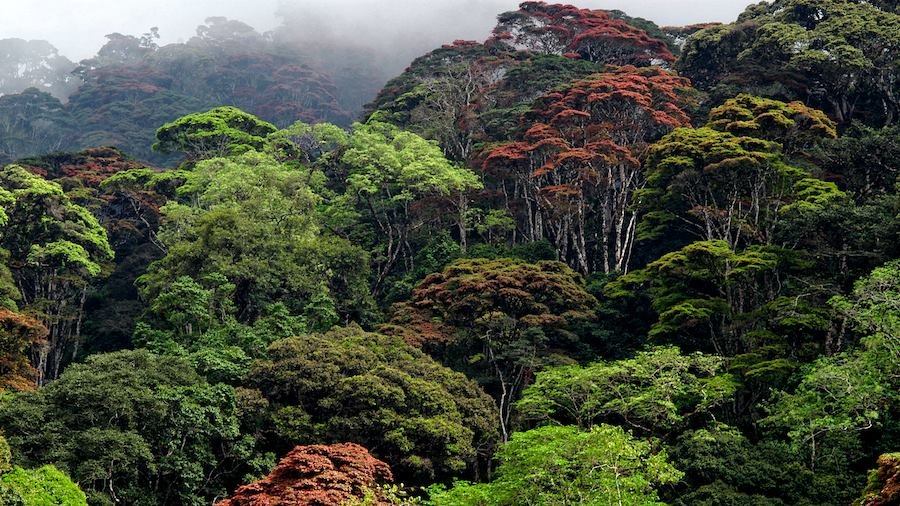
International Day of Forests: A Call to Action for Global Forest Conservation
DAR ES SALAAM: As the global community gears up to commemorate International Day of Forests on March 21, there is an urgent plea from environmental experts, government bodies, and community organizations for enhanced measures to safeguard our forests and advocate for sustainable natural resource management.
Importance of International Day of Forests
This annual observance, often referred to as World Forest Day, was officially recognized by the United Nations General Assembly in 2012. It aims to elevate awareness regarding the significance of forests and the imperative need for their conservation for today and future generations. Each year, various stakeholders—including governments, conservation organizations, and local communities—organize events to underscore the ecological, economic, and social value of forests while promoting unified efforts to protect them.
Forests comprise nearly one-third of the Earth’s land area and are vital ecosystems that sustain life. They generate oxygen, absorb carbon dioxide, and help manage global climate systems. Moreover, they serve as habitats for millions of plant and animal species, making them indispensable for biodiversity preservation.
Forests: A Vital Resource for Humanity
Beyond their ecological significance, forests provide crucial resources for billions of people worldwide. Communities depend on forests for food, medicine, fuel, building materials, and income. Rural populations, in particular, rely heavily on these natural assets for daily survival, with forest ecosystems also playing a key role in agricultural sustainability by safeguarding water sources and regulating rainfall patterns.
The Threats Facing Forest Ecosystems
Despite their critical role, forests are increasingly jeopardized by human activities. Deforestation, illegal logging, agricultural expansion, and urban development are some of the major threats leading to deforestation worldwide. Increased demand for land, food, and energy often results in the clearing of forests without proper management or restoration. Reports indicate that millions of hectares of forest are lost annually, exacerbating biodiversity loss and escalating greenhouse gas emissions.
In many developing regions, notably parts of Africa, forests suffer further pressure due to unsustainable practices like charcoal production and improper agricultural methods. The growing population intensifies the demand for land and energy, leading communities to exploit forest resources unsustainably.
The Global Picture: Forest Coverage and Biodiversity
According to the Food and Agriculture Organization of the United Nations, forests span approximately 4.14 billion hectares or 32% of the Earth’s surface. This makes forests one of the largest ecosystems on the planet. They are instrumental in maintaining environmental equilibrium by absorbing carbon dioxide and releasing oxygen, processes that help to mitigate climate change. Tropical forests, in particular, account for around 45% of global forest cover and are home to a significant proportion of the world’s biodiversity.
Challenges in Forest Conservation
Despite heightened awareness and conservation progress, deforestation remains one of the most severe environmental crises facing the planet today. Current estimates reveal that about 10.9 million hectares of forest are lost each year due to agriculture, logging, and urban expansion. The ongoing depletion not only threatens biodiversity but also amplifies climate change and disrupts ecosystems essential for human survival.
Encouragingly, the rate of forest loss has slowed down in recent years. Studies reveal that the annual net loss has been reduced from approximately 10.7 million hectares in the 1990s to about 4.12 million hectares between 2015 and 2025, thanks to improved conservation policies, reforestation projects, and enhanced international collaboration.
Community Involvement: A Crucial Factor in Forest Protection
Environmental organizations are advocating for communities to actively participate in forest protection. Events such as tree planting campaigns, forest restoration initiatives, and environmental education programs are scheduled for this year’s International Day of Forests globally.
The Role of Tree Planting
Tree planting is highlighted as one of the most effective methods for restoring degraded ecosystems and tackling climate change. Trees enhance soil integrity, generate habitats for wildlife, and protect water resources. In many African nations, including Tanzania, forests are deeply integrated into community livelihoods, providing essential materials and resources.
The Urgency of Sustainable Management Practices
Experts point out that protecting forests is vital not just for biodiversity but also for sustaining economic stability and food security. Governments must enhance policies and laws aimed at conserving these natural habitats. Effective forest management, strict enforcement of anti-logging regulations, and the promotion of alternative energy sources can significantly alleviate the pressures on forest ecosystems.
Shifting towards cleaner energy solutions, such as renewable resources, can diminish reliance on traditional wood fuel and charcoal. Sustainable land-use planning and improved forestry governance are essential to harmonize development needs with environmental sustainability.
Education and Awareness: Keys to Long-term Conservation
Education and public awareness are fundamental to achieving effective forest conservation. Schools, universities, and media outlets are increasingly engaging in campaigns that emphasize the importance of forests and foster responsible stewardship of natural environments. These initiatives aim to inspire future generations to appreciate and protect ecosystems.
On International Day of Forests, organizations worldwide will host tree planting events, workshops, and community discussions focused on sustainable forest management, nurturing a collective commitment to forest preservation.
Collective Action for a Greener Future
As we observe International Day of Forests, it is crucial to recognize that forests are vital for life on Earth. They support biodiversity, help regulate climate, and sustain millions of livelihoods. The call for enhanced collaboration among governments, local communities, and international organizations is more important than ever.
This observance serves as a vital reminder that the protection of forests is a shared human responsibility. Through sustainable practices, conservation initiatives, and heightened awareness, forests can continue to nurture both people and the planet into the future.
For more information on how to engage in forest conservation efforts, visit World Forest Day and explore resources from organizations dedicated to environmental stewardship.
