

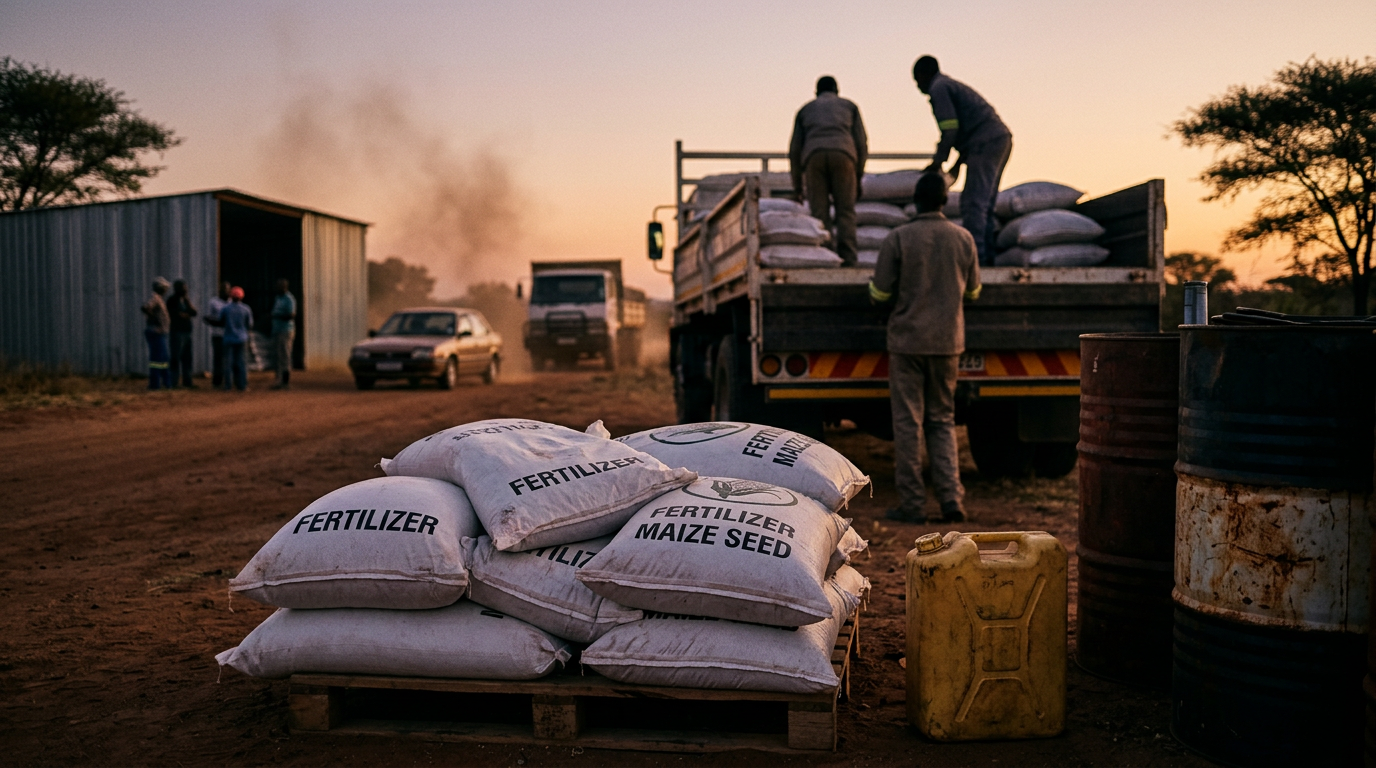
The escalating conflict between the United States and Iran is casting a significant shadow over the Southern African Development Community (SADC), posing a serious threat to the region’s food security. During a recent summit, South Africa’s Minister of International Relations and Co-operation, Ronald Lamola, expressed deep concerns regarding how this geopolitical tension could disrupt the basic sustenance of millions living in Southern Africa.
This geopolitical friction has transcended the realms of foreign policy discussions and is now impacting daily lives in cities such as Nairobi, Harare, and Johannesburg. The tension is contributing to inflating energy prices and disrupting commodity supply chains. As a result, the region faces a dual challenge: soaring production costs for agriculture and a potential decline in critical foreign direct investment needed for infrastructure development. With the region already grappling with erratic rainfall and economic difficulties, the implications are severe as external conflict threatens its ability to sustain its populations.
The Fertilizer Crisis and Energy Costs
Central to Minister Lamola’s concerns is a crucial link often overlooked: the relationship between crude oil prices and agricultural productivity. The process of producing ammonia-based fertilizers—essential for maize and wheat farming in Southern Africa—is highly energy-intensive, dependent on natural gas and oil derivatives. When global oil prices fluctuate due to fears of conflict, the effects cascade, leading to steep increases in fertilizer costs.
Research from agricultural commodity analysts indicates that a mere 10 percent increase in crude oil prices can result in a 4 to 6 percent spike in fertilizer prices within just one fiscal quarter. For smallholder farmers, who typically operate on tight margins, such increases can be devastating. When the price of a 50-kilogram bag of urea fertilizer rises by approximately KES 1,500, many farmers are forced to cut their usage, resulting in diminishing crop yields. If farmers in the SADC region reduce fertilizer applications this coming season, the subsequent shortfall in grain production may lead to increased reliance on imported staples, further depleting national foreign exchange reserves.
The Human Impact of Economic Instability
The ramifications of this economic pressure are experienced most acutely in rural areas. Farmers in regions like the Free State or rural Zambia may not track US-Iran negotiations but are keenly aware of rising fuel and fertilizer costs. Increased diesel prices elevate transport expenses, effectively squeezing farmer profits and driving up prices for staple goods like maize meal in local markets across the region.
The human cost of such economic disruptions is staggering and directly tied to food security issues. Vulnerable populations in food-insecure areas now find themselves in precarious circumstances, struggling between rising prices and limited resources. Projections highlight the potential impacts of sustained inflation driven by the conflict:
- Smallholder farmers may cut agricultural input purchases by up to 15 percent if price increases persist beyond two quarters.
- The landed cost of imported grain could rise by 10 to 12 percent year-on-year, driven by heightened maritime insurance and fuel costs.
- The region could experience a KES 85 billion shortfall in agricultural revenue if yields drop by 8 percent due to reduced fertilizer application.
- Increased inflation on staple food items will likely force low-income families to shift their spending away from education and healthcare to simply meet their caloric needs.
Investment Shifts: The Gulf Dilemma
In addition to immediate agricultural challenges, Minister Lamola’s warning underscores the risk of Gulf sovereign wealth investment withdrawal or redirection. Over the past decade, Middle Eastern nations have become major investors in SADC’s agriculture, mining, and logistics sectors. This investment is crucial for modernization initiatives, such as irrigation systems in Zimbabwe and cold storage facilities in Mozambique.
Analysts from the African Development Bank caution that Gulf investors, faced with their own regional security uncertainties, could adopt a “flight-to-safety” approach. If these states prioritize their internal liquidity to strengthen defense and national security in light of the US-Iran conflict, the flow of capital toward African development projects may decline. Such a reduction would be detrimental, impacting the SADC’s long-term strategies for agricultural resilience, which rely heavily on foreign investments to modernize farming practices and reduce dependence on volatile global markets.
This situation emphasizes the intricate ties in the modern global economy. Although military powers may be thousands of kilometers away, the economic consequences resonate deeply within local economies. For governments in the SADC, Minister Lamola’s message is clear: immediate action is required. Emphasis should be placed on food stockpiling, negotiating favorable trade agreements for agricultural inputs, and accelerating moves toward self-sustaining, resilient farming practices that shield the region from unpredictable global oil market fluctuations. A coordinated regional policy is paramount, treating food security as a vital component of both national and regional stability.
