

Rethinking Entrepreneurship in Africa: The Shift Toward System Builders
Introduction
In recent years, Africa has seen a surge in youth entrepreneurship initiatives aimed at boosting economic growth. However, a significant disconnect exists between the training provided and the actual job placements available. This article explores the need for a fundamental shift from traditional entrepreneurship to a new model focused on sustainable system building.
The Current Landscape: Impressive Numbers, Disappointing Outcomes
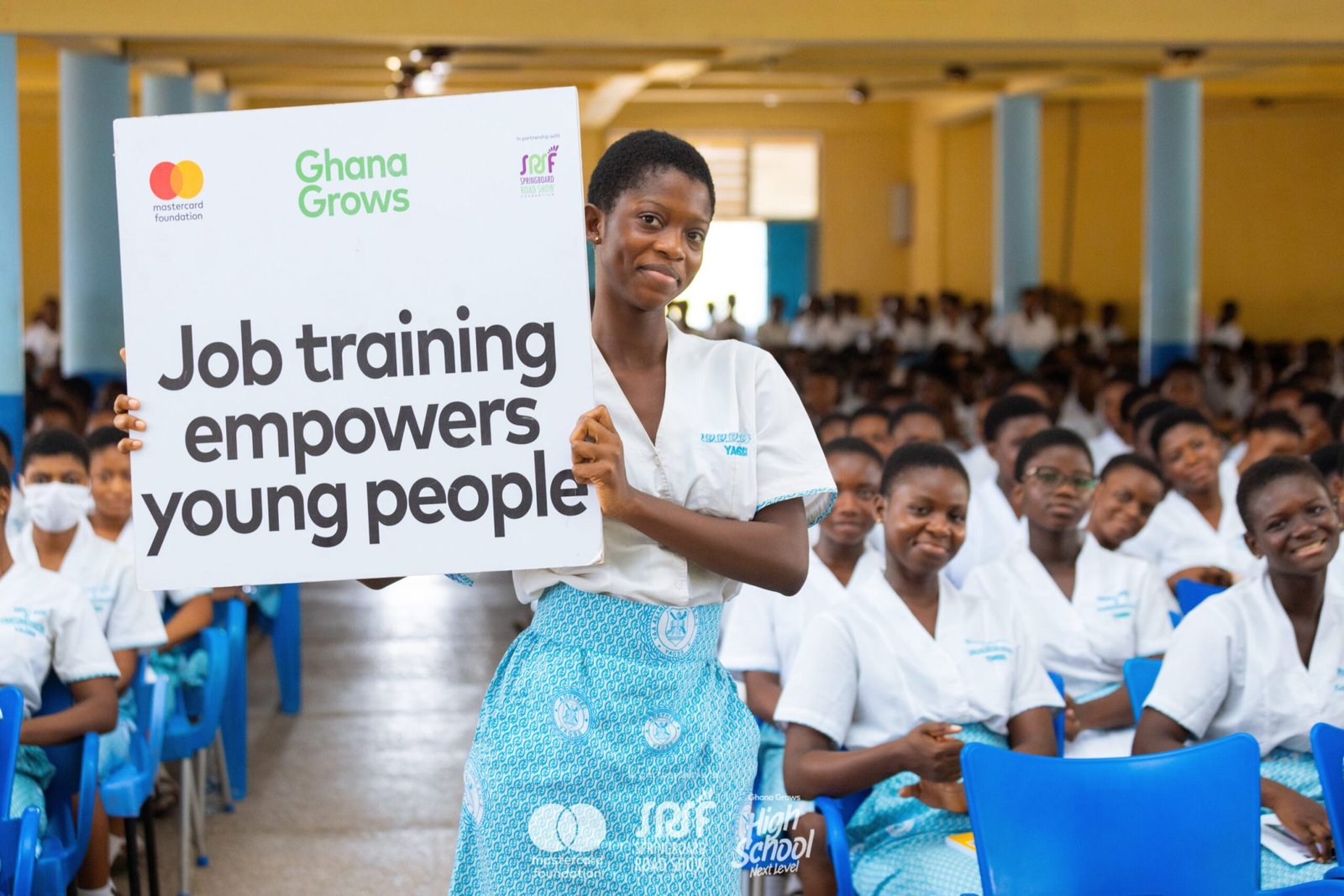
While many organizations proudly announce that they’ve trained thousands of young people in skill development, the reality often tells a different story. Despite the flashy metrics, when asked about job placement rates, many programs fail to provide concrete data. Young graduates often find themselves back in the informal economy, facing unemployment instead of pursuing fulfilling careers.
A Common Challenge
This issue isn’t confined to Ghana; it reverberates across various African nations. International donors, philanthropies, and development institutions often concentrate on interventions that yield easily measurable results, sidestepping the more complex structural changes needed for sustainable growth. This focus on short-term achievements can overshadow essential questions: How can we create lasting jobs? What systemic changes are crucial for long-term success?
The Problem with Current Approaches
The focus on numbers fosters a flawed approach to solving development challenges. Entrepreneurship is widely celebrated across Africa despite the fact that approximately 80% of small and medium-sized enterprises (SMEs) fail within five years. Young people aspire to become part of the 20% that succeed, often emulating methodologies borrowed from Silicon Valley, promoting rapid scaling without considering sustainable principles.
The Need for System Builders
Africa requires not just more entrepreneurs but entrepreneurs who think like system builders. This shift in mindset is crucial for addressing the region’s complexities.
Traditional Entrepreneurs vs. System Builders
Traditional entrepreneurs often ask, "How do I rapidly build and scale my business?" In contrast, system builders dig deeper, asking, "What structural issues exist, and how can I resolve them sustainably?"
When presented with funding to train thousands, a traditional entrepreneur sees an opportunity for quick gains, whereas a system builder examines market realities. Would it be more effective to train fewer individuals but ensure a higher placement rate?
The Power of Sustainable Training
Deep, impactful training is significantly more advantageous than merely cranking out large numbers. For example, training 500 individuals effectively can lead to an approximate 85% job placement rate. This proven model can then be replicated, benefiting thousands of people while ensuring they find sustainable employment.
Financial Sustainability
The focus on entrepreneurship alone can lead to unsustainability. Many organizations crumble when funding ceases. System builders plan for the long-term, identifying who will sustain their solutions—be it employers or governments. They prioritize continual success, asking, "How do we ensure this impact remains after we step away?"
Innovating With Examples: M-KOPA
Take M-KOPA as a case study. Instead of providing free solar products, M-KOPA developed a pay-as-you-go model that required new credit infrastructures and long-term customer relationships. This approach not only expanded energy access but also created durable job opportunities and brought millions into the formal financial system.
Encouraging System Building Through Philanthropy
To cultivate more system builders, the philanthropic sector must undergo substantial changes. Key shifts include:
1. Supporting Local Leadership with Patient Capital
Models like Venture Philanthropy advocate for backing local organizations over prolonged horizons, accepting initially slower growth for the promise of durable job creation.
2. Funding Durability Over Headlines
Donors should prioritize operational excellence and verified job placement outcomes over quick wins. Focusing on declining costs per successful outcome can yield lasting benefits.
3. Empowering Local Decision-Making
Bringing decision-making power closer to local contexts allows operators to define success metrics based on real labor market needs instead of adhering to donor-imposed frameworks.
A Vision for the Future
Imagine if, instead of rushing to train 10,000 individuals in a year, funders invested in a five-year plan to deeply analyze labor market needs. Piloting programs in select sectors while achieving high placement rates could provide a scalable model for national application.
Conclusion: A Shift in Philanthropy
Philanthropy must evolve from a model of aid to one of true partnership—empowering local leadership, sharing decision-making power, and catalyzing sustainable transformations.
The Central Question
Ultimately, the pressing question is not whether Africa requires more entrepreneurs but what type of entrepreneurs we should be cultivating. By prioritizing sustainability over mere speed, we can foster a market with resilient systems that deliver lasting impact. Africa doesn’t need louder success stories; it needs quiet, effective systems that consistently work for its communities.
References
This article aims to inspire a rethink in how entrepreneurship is approached in Africa, emphasizing the importance of sustainable models in driving real change.
