

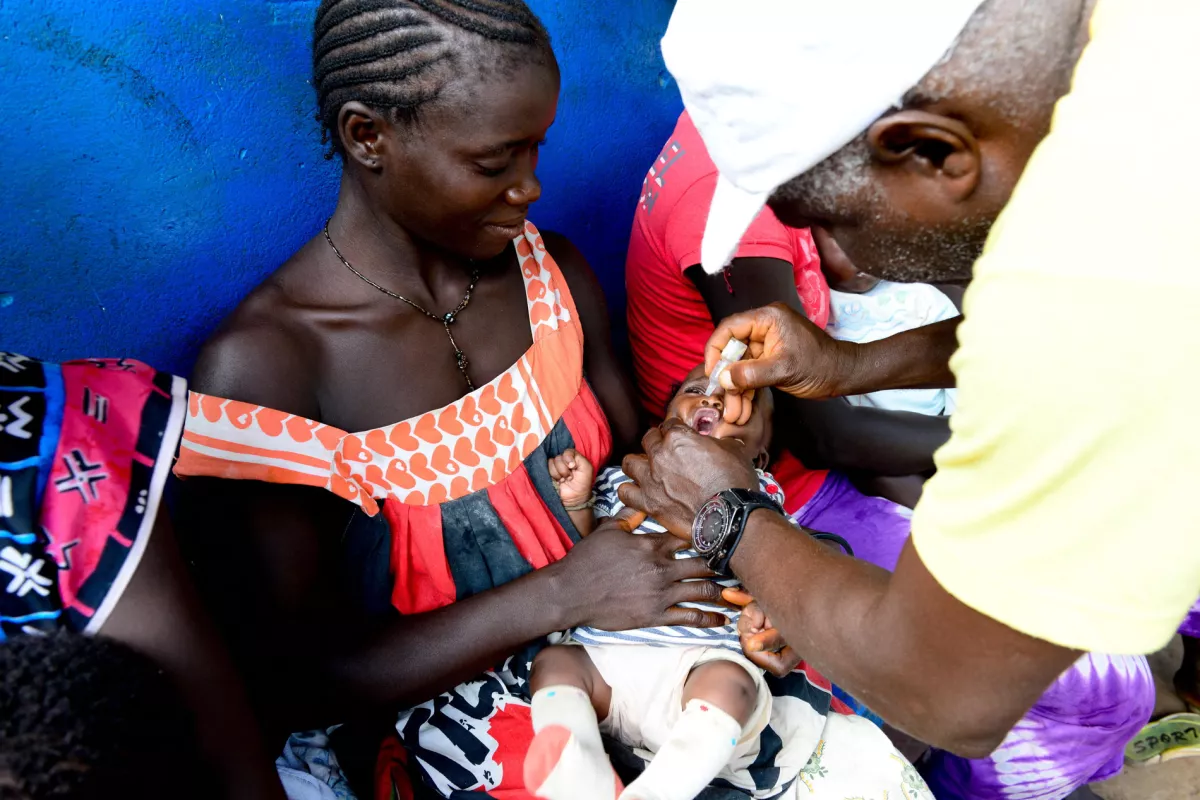
Concerns Rise Over Controversial Hepatitis B Vaccine Trial in Guinea-Bissau
Experts Alarmed by Ethical Implications Under New HHS Leadership
Recent revelations regarding a hepatitis B vaccine trial in Guinea-Bissau have sparked significant concern among health experts. The study, overseen by Danish researchers affiliated with the Bandim Health Project, has drawn criticism for its ethical implications, especially given the current leadership at the US Department of Health and Human Services (HHS) under Robert F. Kennedy Jr., a longtime skeptic of vaccines.
The Trial’s Design and Public Health Concerns
The trial intends to administer the hepatitis B vaccine to only half of newborns at birth, despite an alarming 18% prevalence rate of the disease among adults in the region. This disease can lead to severe health issues and even death, prompting calls for caution from various public health advocates.
The nonprofit organization Stand Up for Science conducted an investigation into this trial, collecting data from public records and interviews with experts. Their findings, shared with members of Congress on February 19, shed light on the Bandim Health Project’s deep integration within Guinea-Bissau’s health system and raised ethical red flags regarding the trial.
Ethical Implications and Potential Ramifications
Colette Delawalla, founder of Stand Up for Science, expressed fears that this trial could set a precedent for other ethically questionable research initiatives. She drew parallels to the infamous Tuskegee experiment, warning that similar studies could occur multiple times a year, potentially endangering lives.
Criticism extends beyond the trial’s design. The Bandim Health Project researchers, including Peter Aaby and Christine Stabell Benn, have been scrutinized for previous studies where results were either partially published or withheld. A recent study in the journal Vaccine highlighted these concerns.
Connections to US Vaccine Policy
The researchers are closely connected to US vaccine policy. Aaby’s work has influenced Kennedy’s views on vaccines, while Stabell Benn has actively participated in discussions about vaccine recommendations in the US. Her role in the advisory committee has been pivotal, especially regarding the universal birth recommendation for hepatitis B.
“Bandim is deeply integrated within Guinea-Bissau,” stated Magda Robalo, former health minister, emphasizing the conflicts of interest that may arise within its ethics committee.
Challenges in Informed Consent
High illiteracy rates and language barriers in Guinea-Bissau complicate the process of informed consent for participants. Delawalla pointed out the challenges in adequately informing residents about what they are agreeing to when it comes to receiving the vaccine.
Responses from Institutions and Regulatory Bodies
In light of growing public concern, the University of Southern Denmark announced a pause on all activities related to the study while a review is conducted. Ole Skøtt, the dean of health sciences, confirmed this decision.
The World Health Organization has echoed these apprehensions, with Director-General Tedros Adhanom Ghebreyesus labeling the study as “unethical.” In turn, Guinea-Bissau’s foreign minister, Joao Bernardo Vieira, firmly stated, “It’s not going to happen, period.”
Accountability and Future Directions
U.S. lawmakers are scrutinizing the Center for Disease Control and Prevention’s (CDC) role in this trial. In a letter dated February 6, they termed the trial “ethically disturbing and scientifically unsound,” questioning the transparency of funding flowing to Kennedy’s associates.
Officials from the Africa CDC emphasized the necessity of making the hepatitis B birth-dose vaccine accessible to all newborns promptly. “Recommending the vaccine to all babies at birth is a high priority,” asserted Landry Dongmo Tsague, the director of primary health care.
The U.S. has allocated $1.6 million to this trial, supplemented by funds from private foundations. Delawalla criticized this funding approach, suggesting that the money could better serve public health by vaccinating all newborns over the next decade.
Looking Ahead
An HHS spokesperson confirmed the pause in the study for a thorough review, indicating that the CDC will work closely with relevant authorities to assess the trial’s future.
The outcry surrounding this trial has underscored the need for stronger local research capacity across Africa and a decreased reliance on institutions from the Global North. “Countries around the continent have been alerted to this,” Robalo noted.
