

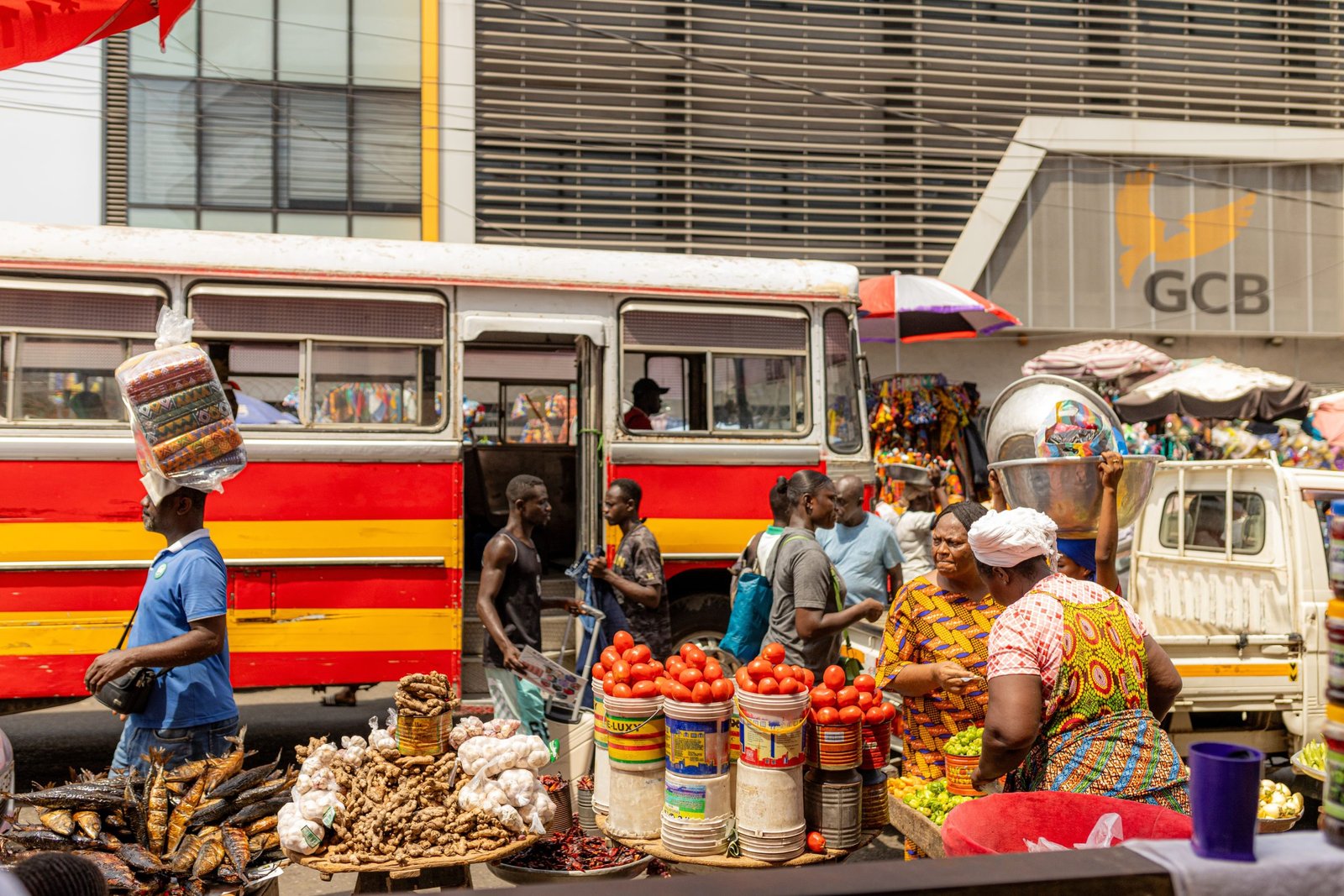
The Crisis of Ghana’s Food System: A Call to Action
Understanding the Impact of Galamsey Mining
Ghana’s food system faces a critical crisis, intricately intertwined with the rampant activities of galamsey—illegal artisanal small-scale gold mining. A shocking study by Mensah et al. in 2025 highlights the severe contamination of agricultural lands, showcasing that cucumbers grown in Ajamesu, a region abandoned for six years, contained alarmingly high levels of heavy metals: mercury, cadmium, arsenic, and more. Regular consumption of these contaminated crops poses serious health risks, including cancer, especially among vulnerable populations such as children.
The Contamination of Agricultural Lands
In rural Ghana, former arable lands have transformed into barren wastelands due to mining activities. Regions like Nyaboo, Agogo, and Odumase—once the fertile heart of Ghana’s agricultural output—now struggle to sustain crops. Essential ingredients for traditional Ghanaian cuisine, including tomatoes, onions, and peppers, hail from these affected areas. However, without reversing soil toxicity, these lands will remain unsafe for cultivation, directly jeopardizing food safety for millions across the nation.
The Cycle of Pollution
The practices of galamsey miners contribute significantly to environmental degradation. After extracting gold, miners wash it using a toxic lead-mercury mixture and dispose of contaminated water back into the soil and rivers. As reported by journalist Anthony Labruto, approximately 60% of Ghana’s water bodies are now polluted. Major rivers like Birim, Tano, and Densu serve communities that rely on clean water for their agricultural activities and daily survival.
The Health Risks of Heavy Metals
Public health expert Kelvin Tamakloe warns that even communities untouched by galamsey are not safe. Acid rain can carry heavy metals into lands and water resources, threatening the entire agricultural framework of Ghana. As food production increasingly depends on contaminated rainfall, the repercussions for public health—ranging from developmental issues to cancer—could be dire, affecting not just current but future generations as well.
Broader Implications on Food Security
Africa’s food systems are in a constant state of vulnerability, exacerbated by factors such as colonialism, climate change, and urbanization. Ghana’s particular climate challenges paint a bleak picture, where ecological threats jeopardize food security and exacerbate humanitarian crises. To this end, galamsey becomes a multifaceted issue—a combination of environmental destruction and a looming food chain emergency.
The Role of Media and Governance
Despite ongoing protests against illegal mining and its environmental consequences, the Ghanaian media appears reluctant to address the galamsey crisis comprehensively. The government, along with agencies like the Ghana Water Company and the Environmental Protection Agency, has yet to prioritize this issue as a national emergency, often resulting in legislation that permits mining even in sensitive ecological zones, thus deepening the crisis.
The Fragility of Agricultural Frameworks
The long-standing fragility of Ghana’s food systems has been exacerbated by the ongoing galamsey crisis. Reports indicate that farmers in regions like Bono Ahafo and Ashanti have had to sacrifice their lands for mining activities, resulting in decreased cultivation of essential crops like cassava and beans. Consequently, this compromises food availability and escalates food prices, directly affecting food security across the country.
Addressing Urgent Questions
There are critical questions that need urgent answers:
- How can we reverse soil toxicity?
- What immediate actions can restore poisoned rivers and biodiversity?
- How will ongoing environmental damage disrupt the food system in concrete terms?
Environmental scientist Ian Kwakye highlights the undeniable corruption of Ghana’s food system, where once-vibrant farmlands now face complete eradication due to encroachment by mining companies. Certain farmers have even reported lower yields, struggling against the backdrop of degraded natural resources. Meanwhile, fishermen struggle with declining catches, signaling a broader ecological collapse.
Conclusion: A Call for Immediate Action
The galamsey crisis is an urgent environmental emergency that demands immediate and decisive government action. As Ghana teeters on the edge of an unprecedented agricultural and health crisis, it is imperative that stakeholders—including the government, local communities, and civil society—come together to safeguard the nation’s food systems.
The ongoing inaction poses a critical threat not only to agriculture but to public health and ecological integrity. Comprehensive policies are needed to protect vulnerable communities and restore the fragile balance within Ghana’s ecosystems. It is time to tackle the galamsey crisis head-on for the sake of future generations and the well-being of all Ghanaians.
