

Harnessing Hydrogen: South Africa’s Path to a Clean Energy Future
Introduction to Hydrogen as a Clean Energy Solution
Hydrogen, the most abundant element in the universe, presents immense potential as a pivotal player in the transition to a clean energy future. Despite its fundamental role in numerous energy systems—from fuel cells to synthetic fuels—its capability as a widespread clean energy carrier remains largely untapped.
A Focus on Green Hydrogen in South Africa
Researchers at North-West University (NWU) are at the forefront of initiatives aimed at positioning South Africa as a leader in the global hydrogen economy. Through green hydrogen projects, the nation could leverage its abundant renewable energy resources, converting them into hydrogen-derived products like green ammonia for export. This not only promotes sustainability but also aligns with the global drive towards a low-carbon economy.
South Africa’s Platinum Advantage
South Africa possesses about 70-80% of the world’s platinum reserves, giving it a significant edge in hydrogen technology. Platinum is essential for various hydrogen applications, such as electrolysers and fuel cells, making the country a key player in the hydrogen economy.
The Role of HySA in Hydrogen Development
The national Hydrogen South Africa (HySA) flagship program, co-hosted by NWU, aims to enhance research capacity and foster technological innovations that align with South Africa’s unique resources and development goals. The initiative focuses on hydrogen production, storage, delivery technologies, and fuel cell innovation, thus promoting industrial competitiveness.
Economic Implications of Hydrogen
According to Prof. Dmitri Bessarabov, director of HySA Infrastructure at NWU and CSIR, hydrogen is critical not only as an energy carrier but also as an industrial chemical commodity. Its production is indispensable for creating ammonia and fertilizers, refining petrochemical feedstocks, and producing essential industrial products that underpin food security and economic growth.
Bessarabov explains, “If hydrogen production is linked to renewable sources like wind and solar, we can create green hydrogen—enabling us to export our ‘sunshine’ as hydrogen-derived products to regions with limited renewable capacity.”
Bridging the Geographic Gap
A challenge facing the hydrogen sector in South Africa is the geographic disparity between renewable energy production and industrial demand. For instance, notable renewable energy resources are located in the Northern Cape, while the majority of industrial demand exists in Gauteng. Addressing this gap necessitates advancements in infrastructure such as efficient hydrogen storage, transport, and conversion technologies like pipelines and high-pressure systems.
Innovations in Hydrogen Technology
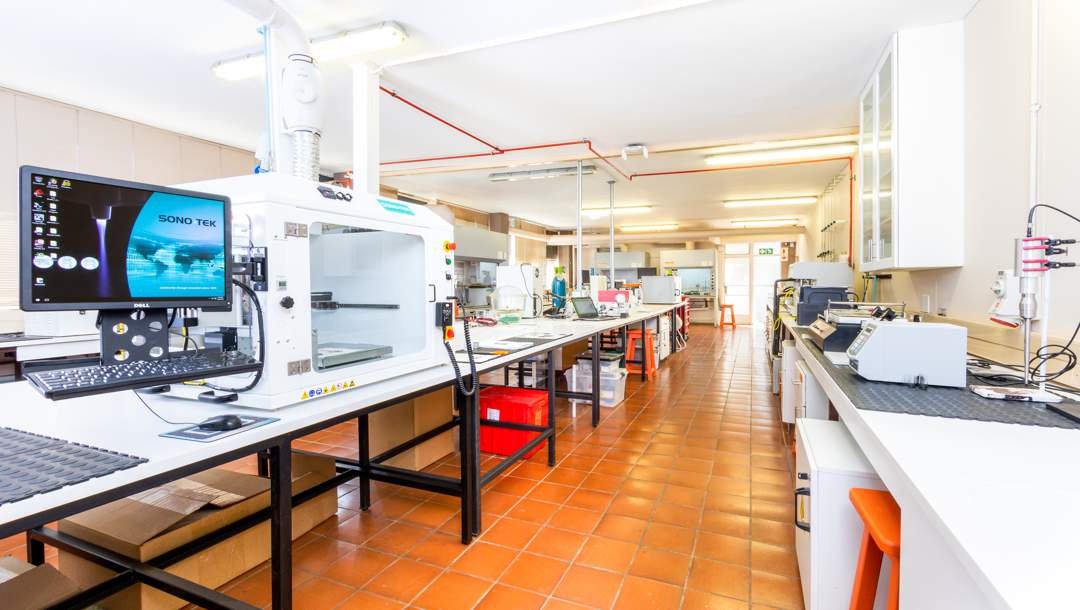
The HySA Centre of Competence, based at NWU, focuses on developing cutting-edge technologies designed to foster a competitive green hydrogen economy. The center is advancing water electrolysis systems and next-generation components, laying the groundwork for South Africa’s transition towards a greener future.
Capitalizing on Mineral Resources
Prof. Bessarabov emphasizes the significance of South Africa’s mineral resources in enhancing its hydrogen value chain. With abundant platinum and other critical minerals, the country is positioned to capitalize on the increasing global demand for hydrogen technologies.
Skills Development and Research Support
North-West University is instrumental in building capacity within the hydrogen sector. The collaboration has led to substantial advancements, including the development of water electrolyser systems and hydrogen refueling technologies in partnership with firms like Toyota South Africa.
Future Prospects for Hydrogen in Africa
Beyond South Africa, the African continent holds remarkable possibilities for hydrogen advancement. Countries with exceptional solar irradiation, such as Namibia and Morocco, combined with a young technical workforce, present a unique landscape for building an African hydrogen ecosystem that enhances energy access and industrialization.
Conclusion: South Africa’s Leadership Potential in Hydrogen
Through initiatives like HySA and continued investment in research and technology, South Africa is not only positioning itself as an integral player in the global hydrogen transition but could also emerge as a leader in the clean energy landscape.
By leveraging natural resources and fostering innovation, South Africa has the potential to be a key exporter of clean energy derivatives, ensuring an economically robust and sustainable future for the nation.
For more insights on South Africa’s hydrogen initiatives, visit Hydrogen South Africa.
