

Transforming Conservation into Economic Opportunities in Africa
Meeting for Change: The Business of Conservation Conference
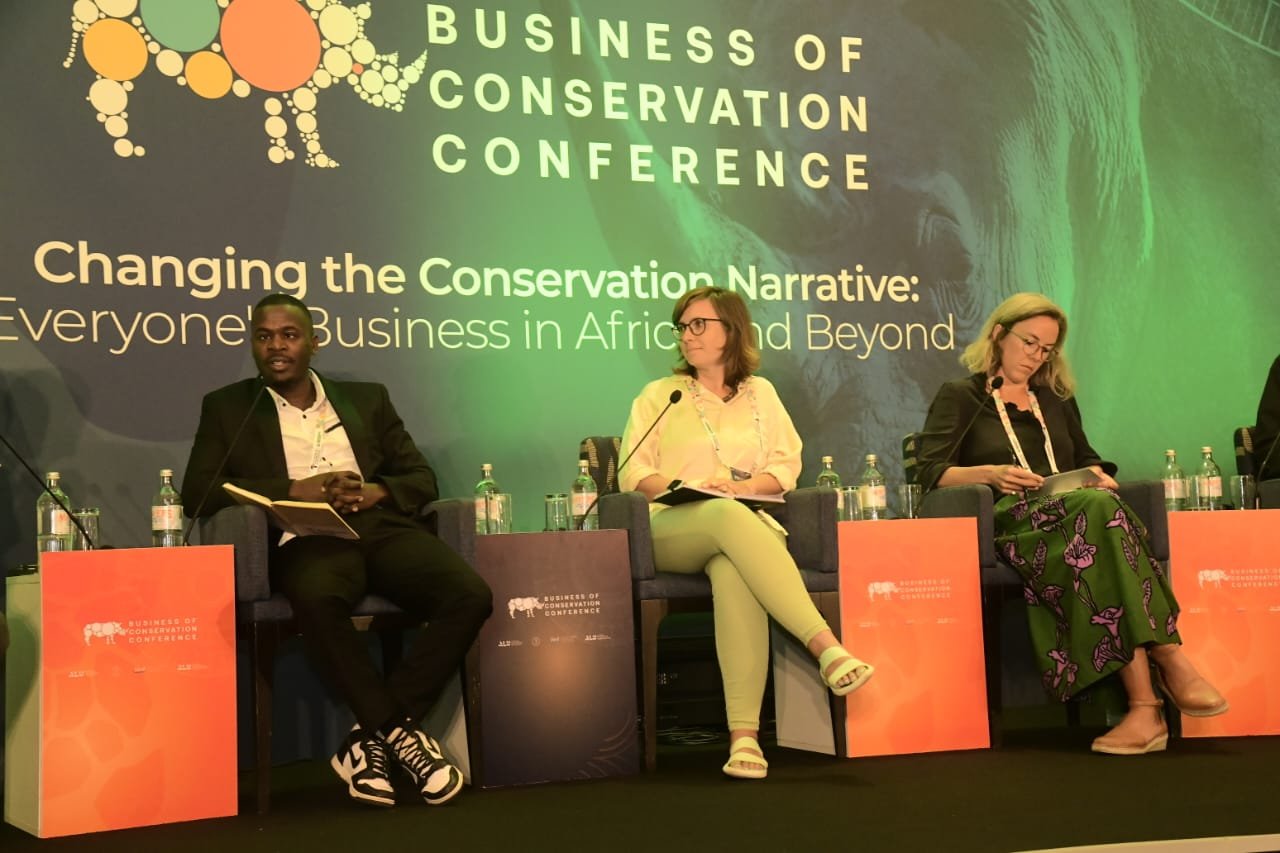
Leaders from diverse sectors—including government, conservation agencies, academia, and private enterprises—convened in Nairobi, Kenya, for a groundbreaking discussion about making conservation economically viable across Africa. The Business of Conservation Conference, lasting three days, aimed to unite policymakers, investors, and environmental experts to delve into how protecting nature can yield sustainable economic benefits for both communities and national economies.
The Importance of Africa’s Natural Wealth
Africa boasts an array of wildlife, forests, and ecosystems that are crucial for tourism, cultural identity, and the livelihoods of millions. However, these vital natural assets face numerous challenges, including:
- Climate change
- Habitat loss
- Illegal wildlife trade
- Unsustainable resource use
The Path to Sustainable Governance
Participants highlighted a key aspect of future conservation efforts: the transformation of governance systems related to natural resources. Stronger policies, effective regulations, and improved governance frameworks are deemed essential for managing ecosystems successfully while attracting responsible investments.
The Role of Regulations and Investments
Experts indicated that transparent and predictable regulations could motivate local and international investors to back conservation-based ventures like eco-tourism and sustainable forestry. As one delegate noted, “With good governance, investors will be more inclined to engage in the sector.”
These investments not only protect biodiversity but also:
- Create jobs
- Strengthen local economies
- Improve the livelihoods of communities residing near protected areas
Spotlight on Uganda’s Conservation Efforts
Uganda, home to approximately 5,000 Common Chimpanzees, was prominently featured during the conference to showcase effective conservation initiatives. Pauline Nantongo, Executive Director of EcoTrust Uganda, stressed the importance of engaging communities living closest to natural resources: “The people benefit from biodiversity, and the financing that stems from it is a result of inclusiveness.”
She underscored that this model turns a biodiversity challenge into a viable investment opportunity—benefiting both local communities and the government without requiring displacement.
The Community’s Role in Conservation
Nantongo emphasized that conservation initiatives must acknowledge and reward the contributions of local communities in safeguarding ecosystems. “The people are already investing in managing the forest; they improve biodiversity,” she stated, pointing out how community involvement is fundamental to successful conservation efforts.
Exploring Innovative Financing and Partnerships
Delegates participating in the conference are set to explore innovative financing models, policy reforms, and enduring partnerships that could potentially turn Africa’s rich natural heritage into a catalyst for sustainable development.
A New Era of Conservation: Profit Meets Preservation
Organizers assert that the discussions at this conference may pave the way for a new paradigm in conservation—one where protecting nature is inextricably linked to economic opportunities and community prosperity.
As stakeholders collaborate to develop actionable strategies, the expectation is that these efforts will not only preserve Africa’s natural wealth but also create a sustainable economic framework that benefits all involved.
For more insights into the intersection of conservation and economic growth, visit World Wildlife Fund and Conservation International.
By uniting various sectors and fostering innovative policies, Africans can transform their rich biodiversity into lasting benefits for their communities while ensuring that nature thrives.
