

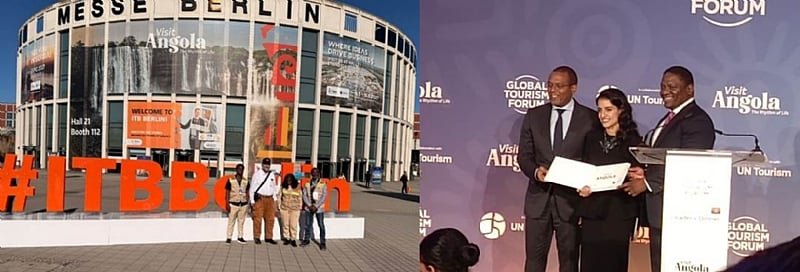
ITB Berlin 2026: A Milestone for African Tourism
The 2026 edition of ITB Berlin marked a transformative moment for Africa, showcasing the continent’s emerging prowess in global tourism diplomacy and promotion. Running from March 3-5 during the 60th anniversary of the world’s largest travel trade show, this event placed Africa at the forefront of global tourism discussions and investments. Angola proudly hosted the event, while other African nations such as Ghana, South Africa, Botswana, Kenya, Malawi, and Namibia seized this opportunity to highlight tourism potential, cultural heritage, and investment prospects.
Celebrating Africa’s Unique Influence
This year’s gathering was particularly impactful due to Africa’s prominent presence, marked by symbolic transitions, celebrations, and collaborative efforts. The collective engagement of African nations highlighted a significant shift in the continent’s approach to global tourism.
Angola’s Role as Host Country
Angola’s designation as the official host for ITB Berlin 2026 was a powerful testament to Africa’s rising status in international tourism. Under the theme “The Rhythm of Life,” Angola showcased its diverse natural landscapes, cultural traditions, music, and culinary delights.
The opening gala immersed global tourism leaders in Angolan culture, emphasizing the country’s potential as a prime destination for adventure, nature tourism, and authentic cultural experiences. Furthermore, Angola strategically positioned itself as an emerging Meetings, Incentives, Conferences, and Exhibitions (MICE) destination, showcasing infrastructure developments and improved connectivity. The establishment of the Angola Convention Bureau aimed to attract international events, highlighting how African nations are adapting from being viewed solely as leisure spots to vital players in the global tourism economy.
A Unified African Presence
Angola’s hosting role reflected a broader evolution in Africa’s tourism strategy. In previous ITB editions, countries often exhibited independently with limited coordination. However, recent years have witnessed enhanced collaboration and branding efforts among African tourism boards.
The exhibition showcased a plethora of innovative tourism products, including safari experiences, cultural heritage tours, eco-tourism, and community-based initiatives. This robust presence conveyed a clear message: Africa is a dynamic and diverse tourism ecosystem, capable of competing with the world’s leading travel regions.
Compelling Narratives for International Partners
For international buyers and investors present at ITB Berlin, Africa provided an enticing narrative rooted in authenticity, sustainability, and unexploited potential. Observers noted that the continent emerged from the event “as an unmistakable force in global tourism,” highlighting its importance on the world stage.
A Symbolic Handover of Leadership
A noteworthy moment during ITB Berlin 2026 was the announcement of the Maldives as the host country for ITB Berlin 2027. This transition exemplified the event’s international character and the rotation of global tourism leadership. For Africa, this signified a deeper significance. Angola’s effective hosting showcased the continent’s capability to lead global tourism dialogues and spotlight African destinations.
Ghana’s Independence Day Celebration
One of the most poignant moments for African delegates was the celebration of Ghana’s Independence Day during the final days of ITB Berlin 2026. Observed on March 6, this day honors Ghana’s status as the first sub-Saharan African nation to gain independence in 1957.
Ghana’s embassy in Berlin leveraged this celebration to promote national pride and tourism opportunities. Activities included cultural performances and culinary exhibitions designed to showcase Ghanaian heritage and tourism potential to international partners. The celebration also underscored the role of the Ghanaian diaspora in Europe, strengthening cultural connections and enhancing visibility within the global tourism community.
Tourism as Africa’s Soft Power
The events at ITB Berlin 2026 highlighted the increasing role of tourism as a form of soft power for African nations. Through cultural exhibitions and diplomatic interactions, African countries effectively projected an image of vibrancy and innovation, welcoming investment and collaboration.
Discussions among tourism ministers and industry leaders focused on sustainable tourism development, skills training, and governance, underscoring tourism’s dual role as an economic driver and a means of fostering international cooperation and cultural understanding.
A Pivotal Moment for African Tourism
The 2026 edition of ITB Berlin may prove to be a watershed moment for tourism in Africa. With Angola leading the event and Ghana celebrating its independence on such a significant platform, the continent showcased a unified narrative of growth, culture, and opportunity.
The overarching message from Berlin was unmistakable: Africa is no longer on the fringes of the global tourism industry. It is emerging as one of the industry’s most promising frontiers. As African destinations continue to invest in infrastructure, sustainability, and branding, their influence at future global tourism forums will only become more pronounced, ensuring that the rhythm of Africa resonates powerfully around the globe.
