

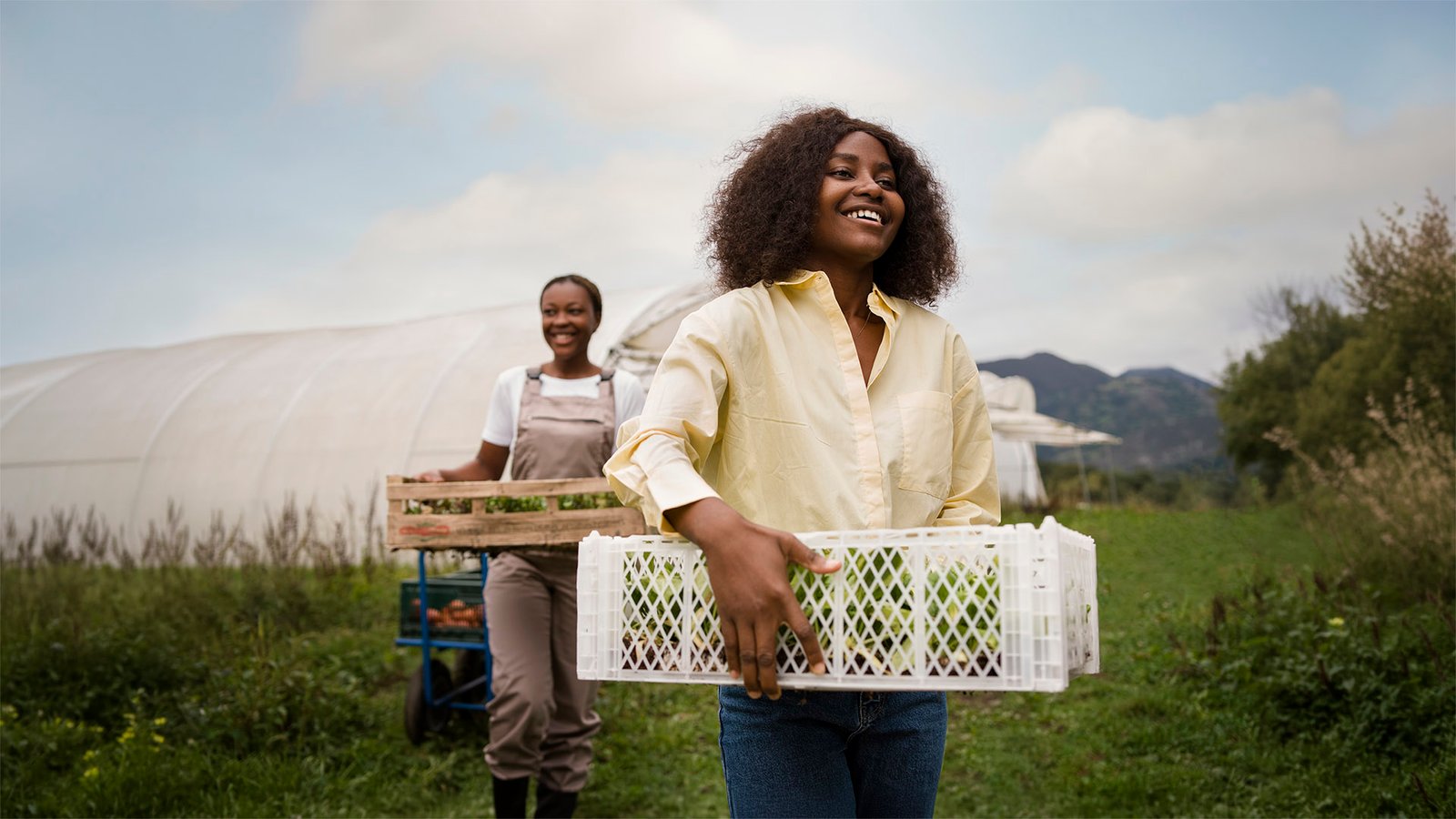
Empowering Women in Agriculture: A New Era for Food Security in South Africa
On International Women’s Day, a pivotal moment emerges in South Africa’s agricultural landscape. With the United Nations recognizing 2026 as the “International Year of the Woman Farmer,” female agriculturalists are no longer mere contributors; they are shaping the future of food security in an industry that has begun to embrace their vital role.
The global theme for 2026, “Give to Gain,” underlines the notion that empowering women is key to achieving collective prosperity. This message resonates deeply in South Africa, where women are increasingly assuming commercial leadership roles across the provinces.
Current Landscape of Women in Agriculture
According to the Commission for Employment Equity (CEE) 2024/25 report, women now make up over 20% of top management roles within the agriculture, forestry, and fishing sectors. However, this figure highlights a significant gap when considering that women constitute about 30% of the total agricultural workforce, as noted by Statistics South Africa (Stats SA). The disparity underscores the ongoing challenges in transitioning from labor roles to leadership positions.
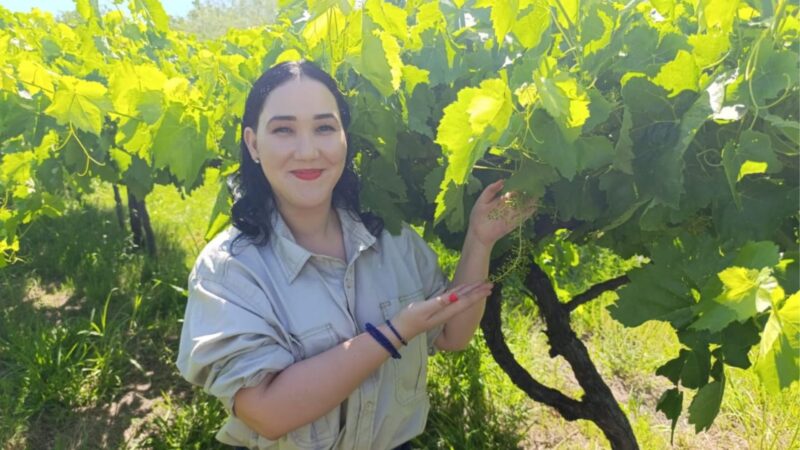
Redefining the Modern Farmer
To bridge the leadership gap, the sector needs to recognize and support the experiences of women working in agriculture. Figures like Elize Gerda Beukes, who founded G&E Beukes Boerdery in the Northern Cape, exemplify the journey from labor to leadership. “Farming is not just my job; it’s my contribution to food security,” she asserts, emphasizing the need to dismantle stereotypes regarding women’s roles in agriculture.
In Mpumalanga, commercial farmer Lebogang Mashigo navigates the intricate balance of tradition and modern business. “Leading a diverse team comes with unique challenges, especially balancing family dynamics,” she shares. Mashigo underscores the necessity of support and collaboration for women in the industry to thrive.

Making Women’s Voices Heard
Gabby Malope, a prominent figure in KwaZulu-Natal and principal of Toutele Agricultural College, calls for systemic change: “Women have always been the silent engines of food production. The real challenge lies in recognition and access.” Her sentiments echo the ongoing struggles faced by women in agriculture, as highlighted by award-winning farmer Sophy Musabeni, who emphasizes the need for increased resources and attention to women’s rights within the sector.
“For meaningful equality, we need robust policy implementation,” Musabeni states, urging for reforms to help eliminate barriers. Independent consultant Emerentia Patientia echoes this need, underscoring the necessity for more women in decision-making positions within the agricultural landscape.
Call to Action
As South Africa stands at this critical juncture, it’s clear that significant steps are required to empower women in the agricultural sector. Initiatives supporting women-owned businesses are essential, but the reality must align with policy aspirations. The message is clear: nurturing and elevating women in agriculture is not just beneficial; it is essential for the nation’s food security.
For more on South Africa’s agricultural advancements, learn why the nation is importing FMD vaccines from Argentina.
