

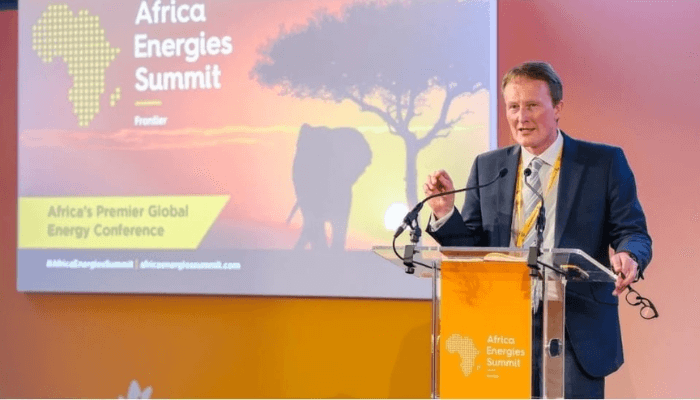
NJ Ayuk Calls for Boycott of Africa Energies Summit 2026 Over Discriminatory Practices
In a bold move, NJ Ayuk, Executive Chairman of the African Energy Chamber, has urged industry stakeholders to boycott the upcoming Africa Energies Summit 2026. His call comes amid allegations that organizers adopt hiring practices that marginalize Black Africans, members of the African diaspora, and Arab professionals.
Implications for African Representation
Ayuk’s statements have ignited a heated discourse within the African energy sector, prompting critical conversations about representation, equity, and narrative control related to Africa’s natural resources. The issue transcends employment policies, delving deeper into the systemic exclusion that African professionals face in global energy dialogues.
A Global Platform: The Africa Energies Summit
Scheduled from May 11–14, 2026, in London, the Africa Energies Summit represents one of the most prominent forums for Africa’s upstream oil and gas industry. The summit regularly attracts a wide array of attendees, from government officials to international investors, analyzing critical issues like investment deals and regulatory reforms. Notably, critics assert that hosting the summit outside Africa symbolizes the lingering structural inequalities in the energy sector.
Local Participation in the Energy Sector
Ayuk’s call for a boycott emphasizes a growing demand for enhanced local participation within investment discussions, workforce development, and corporate governance. Proponents argue that Africa deserves not just representation but also leadership in shaping policies concerning its own resources. A successful boycott may place pressure on organizers to address concerns regarding inclusivity.
The Broader Energy Narrative
This controversy illustrates a critical tension in the global energy landscape: balancing international investment with the pressing need for African stakeholders to own narratives about their resources. Ayuk’s initiative shines light on who speaks for Africa in the energy sector and presents the matter as a larger struggle for control.
A Stand on Principle
In a public statement, Ayuk positioned his critique not solely against the summit but as a challenge to the systemic exclusion within the global energy ecosystem. He argued that many African professionals are unjustly sidelined in opportunities and decision-making roles, suggesting a more aggressive stance is necessary.
Local Content Policies as an Essential Strategy
Ayuk underscored that the African energy sector is crucial for economic growth, particularly for nations like Nigeria, Angola, Mozambique, and Ghana, which rely heavily on hydrocarbon revenues. He advocates for stronger local content policies that ensure domestic benefits extend beyond project execution to global decision-making spaces.
A Mixed Response from the Industry
The industry’s reaction has been divided. Supporters have praised Ayuk’s bold push for equity and accountability, while others caution that boycotting could cut off vital opportunities for African entities to engage with international investors at a time of pressing climate changes.
Addressing Allegations of Discrimination
Ayuk’s accusations of discriminatory hiring practices—asserting that the summit’s organizers refuse to employ qualified Black Africans or Arabs—pose serious questions about the event’s integrity. Such narratives provoke an enduring dialogue about competence and representation in energy discussions.
The Call to Action
The African Energy Chamber is positioning itself to mobilize stakeholders for a comprehensive boycott, citing the need to pressure corporations and institutions to reevaluate their participation in events perceived as undermining Africa’s developmental goals. Ayuk urges that investments should mirror Africa’s narrative rather than merely exploit its resources.
The Wider Context: Global Energy Needs
The push for a boycott coincides with Africa’s ongoing struggles around sustainable energy development and climate challenges. Experts argue that while renewable resources are essential for future growth, oil and gas remain critical for immediate economic stability and energy access across the continent.
A Shift in the Energy Paradigm
The allure of the boycott embodies a broader shift in African energy discourse, emphasizing that the continent must reclaim control over its narrative and leverage its natural resources for local economic benefits. With the ever-evolving landscape of global energy politics, advocating for African representation is imperative.
Conclusion: A Defining Moment for African Energy Representation
The controversy surrounding the Africa Energies Summit not only highlights immediate concerns regarding inclusivity but also reflects deeper issues of ownership and authority in the global energy conversation. As discussions continue to unfold, the continent’s energy narrative must shift towards a more equitable framework that honors African voices.

This evolving discourse is not merely about participation in a single conference; it represents a larger commitment to ensuring that Africa’s energy future is shaped by Africans themselves.
