

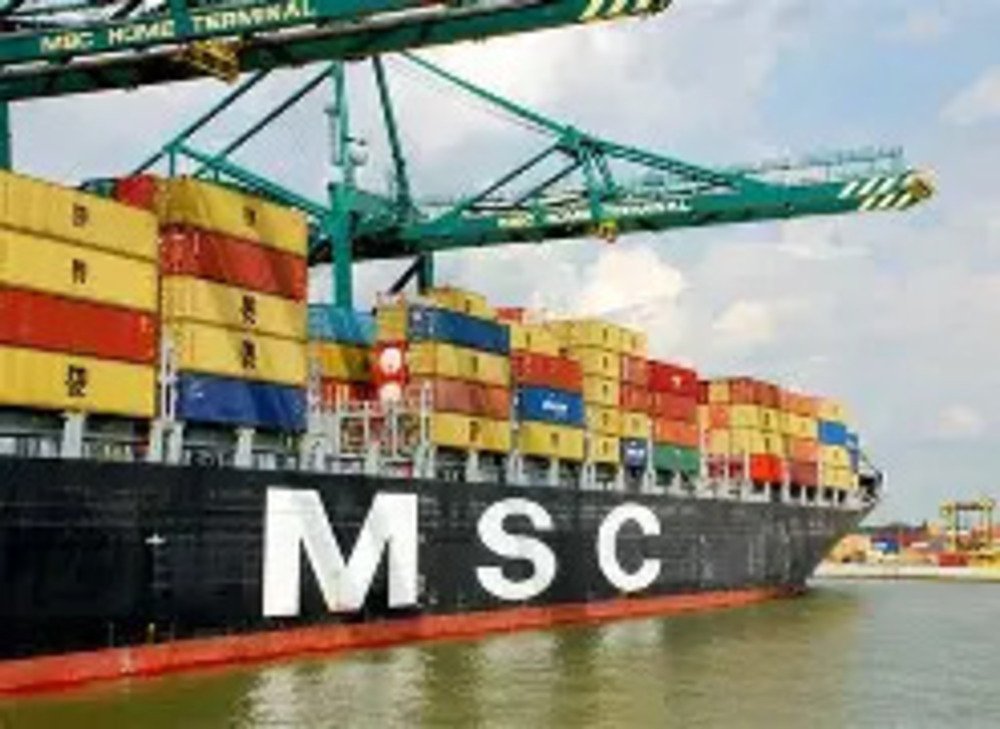
MSC Implements Emergency War Surcharge Amid Rising Maritime Security Threats
In response to escalating security issues disrupting maritime traffic in the crucial Straits of Hormuz and Bab El Mandeb, global shipping giant MSC has announced the introduction of emergency war surcharges for cargo destined for several African countries and Indian Ocean islands.
Impact of Security Situation on Shipping Routes
Effective from 5 March until further notice, MSC cited the “evolving security situation in the Middle East” as the catalyst for these surcharges. The increased military confrontations and attacks associated with Iran, Israel, and the United States have led to significant disruptions in vessel movements through these essential maritime chokepoints.
New Surcharge Rates
To adjust for the heightened risk, MSC will implement an Emergency War Surcharge for all cargo shipped from the Indian Subcontinent (India, Pakistan, Sri Lanka, Bangladesh) to East Africa, Somalia, Mozambique, and various Indian Ocean islands. The surcharge rates include:
- $500 per 20-foot equivalent unit (TEU) for dry containers
- $1,000 per TEU for refrigerated containers
Additionally, cargo moving from the Arabian Peninsula (Bahrain, Iraq, Kuwait, Oman, Qatar, Saudi Arabia, UAE) to West Africa, East Africa, South Africa, and the Indian Ocean islands will incur the following charges:
- $2,000 for 20-foot containers
- $3,000 for 40-foot containers
- $4,000 for refrigerated containers
Monitoring the Situation
MSC Mediterranean Shipping Company has indicated they are closely monitoring the situation and coordinating with relevant authorities to ensure operational safety amidst these developments.
Geopolitical Tensions and Their Global Ramifications
The Straits of Hormuz and Bab El Mandeb serve as critical links between the Middle East, Asia, Africa, and Europe. Together, they facilitate a substantial portion of the world’s oil shipments. Recent escalations involving drone strikes and military operations have compelled shipping companies to reduce speeds, reroute vessels, or even suspend operations altogether, thereby inflating global freight and insurance costs.
Consequences for African Economies
The newly imposed surcharges arrive at a time when several African nations are grappling with increasing fuel prices resulting from volatility in global energy markets. For instance, in Nigeria, petrol prices have soared, affecting motorists in Lagos, who now pay up to ₦933 per litre, while prices in Abuja are approaching ₦960.
South Africa announced fuel price hikes on 4 March, attributing the increases to elevated shipping rates and ongoing geopolitical uncertainties. The price adjustments included:
- Petrol 93 increasing by 20 cents per litre
- Diesel rising by up to 65 cents
Furthermore, the Zimbabwe Energy Regulatory Authority recently raised fuel prices significantly, bringing diesel to US$1.77 per litre and petrol blend to US$1.71, reflecting a marked increase from previous rates.
The Broader Economic Implications
Economists caution that MSC’s new surcharges will likely exacerbate these existing economic pressures, increasing the cost of imported products and further straining already fragile consumer markets across the continent. The implications of these surcharges could reverberate throughout various sectors, impacting consumers’ purchasing power and overall economic stability.
As global shipping continues to contend with geopolitical uncertainties, the ripple effects on nations dependent on these vital supply chains are likely to be profound.
