

The Critical Role of Natural Gas in Africa’s Energy Transition
A Vision for Industrialization
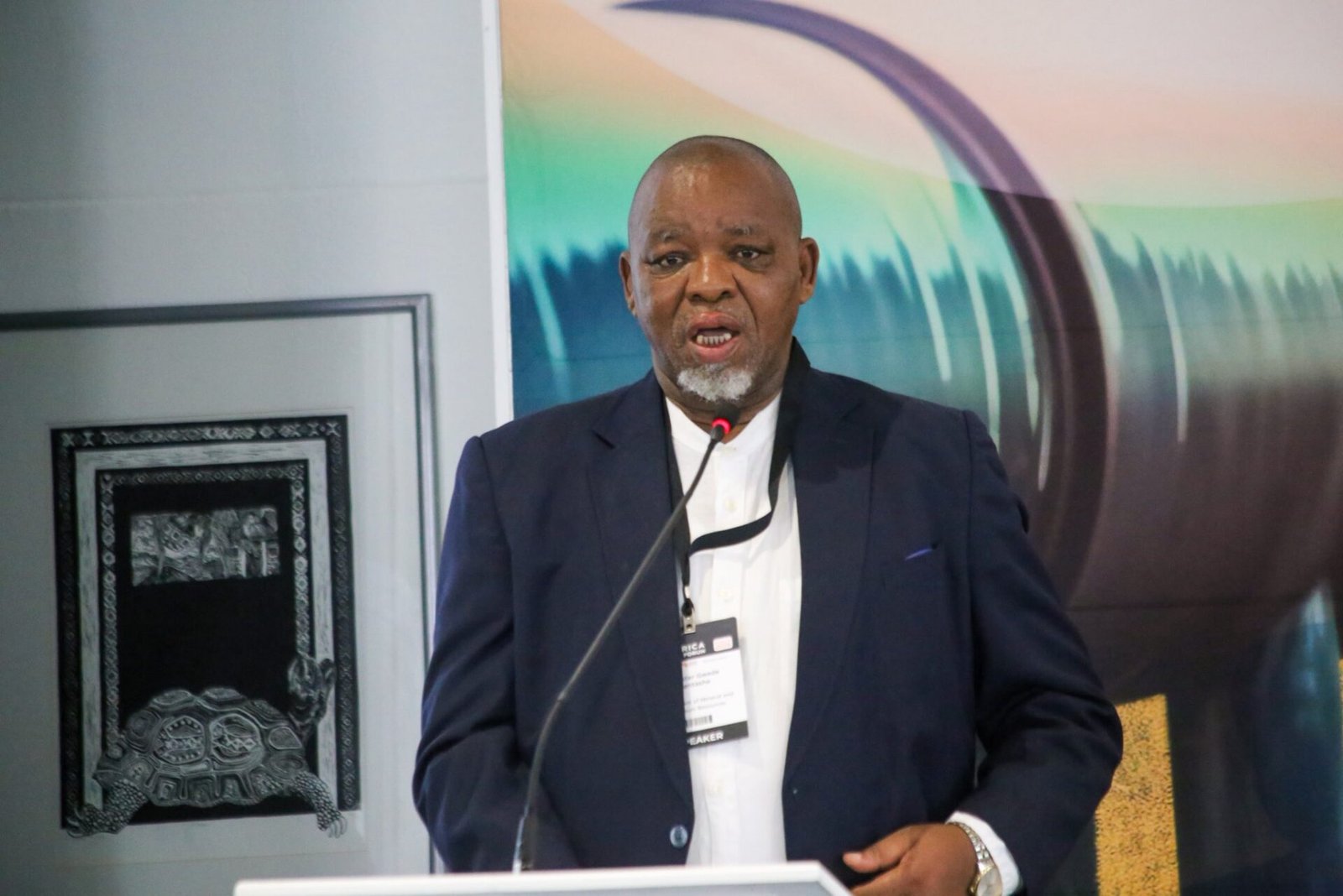
In recent discussions, Mineral and Petroleum Resources Minister Gwede Mantashe emphasized the importance of natural gas as a fundamental element in Africa’s journey toward industrialization. During the 11th Africa Gas Forum at the Africa Energy Indaba in Cape Town, he articulated a clear vision: harnessing natural gas is not only essential for a realistic energy transition but also vital for economic growth on the continent.
The Energy Crisis: A Barrier to Progress
Currently, approximately 600 million Africans lack access to electricity, representing a significant socio-economic challenge. Mantashe pointed out that this energy crisis impedes the ability to build a robust manufacturing sector, expand mineral processing, and create meaningful employment opportunities. Instead of viewing Africa through the lens of energy shortages, it’s crucial to pivot the narrative to one that focuses on industrial growth supported by reliable energy.
Natural Gas: A Bridge to Sustainable Development
Africa is home to around 7% of the world’s known natural gas reserves, yet it contributes less than 4% of global greenhouse gas emissions. Mantashe highlighted that utilizing domestic gas resources could promote a fair energy transition aligned with the continent’s economic realities. Natural gas is viewed as a practical transition fuel, providing stable baseload power with lower emissions compared to coal. This makes it an ideal choice for meeting the continent’s growing energy demands while simultaneously reducing carbon footprints.
South Africa’s Strategic Gas Initiatives
As South Africa navigates a pivotal moment in its gas supply landscape, the minister expressed concerns about declining production from the Pande and Temane gas fields in Mozambique, which have long met approximately 90% of South Africa’s gas needs. As these fields begin to deplete, the country faces an economic risk unless replacements are secured.
Two-Pronged Strategy for Supply Security
To mitigate supply disruptions, the South African government has adopted a two-pronged strategy:
- Short-term gas imports.
- Accelerated domestic gas exploration.
A proposed methane-rich gas solution from Sasol is anticipated to serve as a bridge supply between 2028 and 2030, allowing time to establish infrastructure for liquefied natural gas imports.
Exploring New Frontiers in Gas Production
Simultaneously, exploration is ramping up in several critical areas:
- The Orange Basin on South Africa’s west coast has gained significant attention due to substantial discoveries in Namibia. Companies like TotalEnergies and Shell are actively pursuing exploration that could greatly enhance the country’s resource base.
- In the Outeniqua Basin, Africa Energy Corp is developing the Brulpadda and Luiperd discoveries, while onshore ventures such as the Virginia Gas Project have reported a 60% increase in gas throughput since 2025.
- Other projects, including Thungela Resources’ Lephalale coal bed methane project and Kinetiko’s initiatives in Mpumalanga, are moving toward production targets following successful drilling campaigns.
Research and Regulatory Developments
Government initiatives are also advancing research into shale gas potential in the Central Karoo. Recent seismic surveys have improved geological insights, and there is potential for lifting the current moratorium on shale gas development once regulations are finalized.
Regulatory reforms, under the Upstream Petroleum Resources Development Act, aim to streamline investment processes and separate petroleum regulation from mining laws. This act introduces a unified petroleum right covering both exploration and production, further encouraging investment.
Future Directions
As Africa looks toward the future, Mantashe reassured stakeholders that the time of policy uncertainty is coming to a close. The regulatory landscape is stabilizing, infrastructure is progressing, and demand remains strong. The next essential step is strengthening midstream infrastructure and developing downstream markets to convert gas resources into industrial output and employment opportunities, fostering long-term economic resilience.
Engage with Africa’s Energy Future
To learn more about Africa’s energy initiatives, explore resources on Africa Energy Indaba and understand how the continent is transforming its energy landscape.


