

Understanding Colonialism: A Dual Perspective from Within and Outside Africa
Colonialism, a multifaceted historical phenomenon, has significantly shaped the global landscape. While commonly understood as an external force, particularly from European nations during the 19th and 20th centuries, its internal complexities warrant attention. The recent special issue of the journal Azania shed light on colonialism’s nuances from an African perspective, emphasizing archaeological insights and historical interpretations.
The Layers of Colonialism: An In-Depth Analysis
Colonialism has unfolded through various forms over history, characterized by expansion, cultural exchange, and exploitation. These episodes span different civilizations, such as Mesopotamia, Ancient Egypt, and the empires in the Americas. The dynamic interplay of global and local factors has shaped distinctive patterns of power and cultural exchange, making the study of colonialism multifaceted.
Key Questions Raised by Colonial Histories
This reevaluation brings forth vital questions surrounding:
-
What does historical justice entail?
-
Which historical events are remembered or forgotten?
-
Which victims receive acknowledgment or compensation?
-
What consequences do colonizers face?
Colonialism from External Sources
During the “Scramble for Africa,” European nations—Belgium, Britain, France, Germany, Italy, Portugal, and Spain—exploited vast regions of the continent, leaving varying legacies:
-
Imposition of national boundaries
-
Construction of infrastructure for resource extraction
-
Establishment of administrative systems
-
Military installations and defense structures
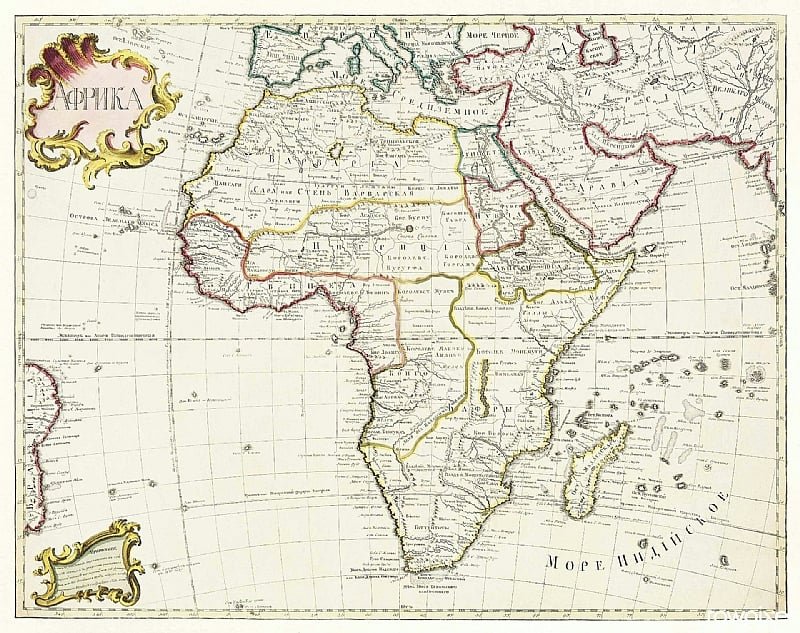
Furthermore, colonization shaped the global perception of time and space through mapping practices. Earlier, parts of Africa were already influenced by the Ottoman and Arab empires, affecting the continent’s subsequent interactions with European powers. These historical contexts led to significant shifts in education, health, and economic growth across various regions.
Colonialism Emerging from Within
Colonial experiences in Africa also emerged from internal dynamics, characterized by empires such as Egypt and Kush in the north and Dahomey and Songhai in the west. These powers sought to annex territories, impose laws, and control resources, as evidenced through archaeological findings such as new settlement forms and cultural exchanges.
Resistance against these colonial impositions manifested in various forms, including insurgency and cultural expressions like art and literature. The example of Shaka Zulu illustrates the transformation of the Zulu chieftaincy into a dominant state during the 19th century, resulting in significant demographic changes within southern Africa.
Archaeological Insights into Internal Colonial Dynamics
The Mursi people of south-western Ethiopia also provide a rich narrative of internal colonial practices through migrations that shaped their identity while affecting neighboring communities. Archaeological research has revealed material traces that challenge traditional narratives, allowing for a broader understanding of their socio-political dynamics.
Cultural Exchange: The Generative Nature of Colonialism
Colonialism is not solely about oppression; it also fosters innovation and cultural exchange. The interactions between colonizers and the colonized lead to a rich tapestry of shared ideas and materials. For instance, Britain’s colonial experiences with regions like Africa and Australasia contributed to its own cultural constructs. This multi-directional influence blurs the lines between victim and oppressor.
Archaeological studies serve as essential tools for understanding these complexities, revealing both material and intangible legacies of colonialism. A more nuanced exploration of internal colonial processes in Africa will facilitate better comparisons and inform discussions on contemporary issues like neocolonialism and decolonization.
