

Triple Planetary Crisis Threatens Food Security in Eastern Africa
Addis Ababa — The Ministry of Planning and Development has identified a critical intersection of challenges facing Eastern Africa: the triple planetary crisis of climate change, biodiversity loss, and pollution. This alarming situation poses a serious threat to food security across the region.
The Urgency of Environmental Protection
During the opening of the four-day Global Environment Facility (GEF) Expanded Constituency Workshop in Addis Ababa, State Minister Seyoum Mekonnen emphasized that the combination of these crises is undermining decades of economic progress. "Environmental protection is no longer a distant agenda but the frontline of our survival and the foundation of our future prosperity."
Impact on Eastern Africa
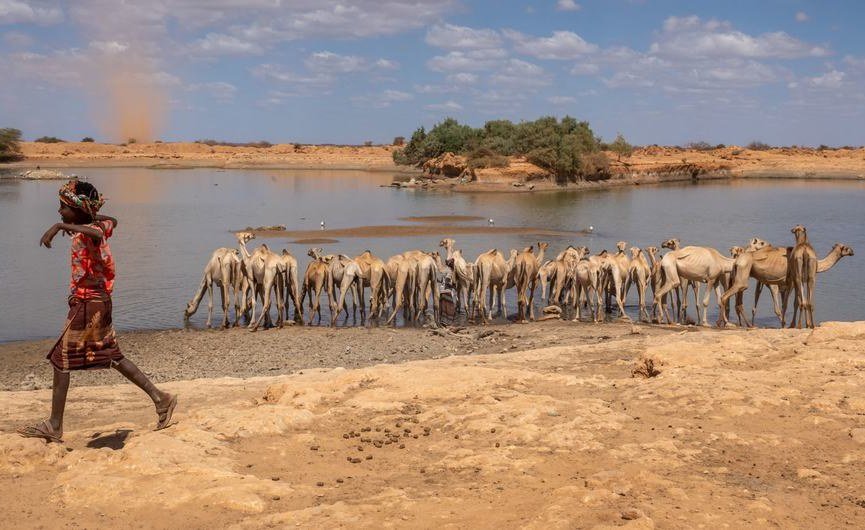
Eastern Africa is currently battling erratic weather patterns, extended droughts, and increasing ecosystem degradation, which are displacing communities and straining livelihoods. This mounting pressure places significant burdens on national economies across the region.
Ethiopia’s Commitment to Climate Action
Despite these challenges, Ethiopia is committed to aligning its climate action efforts with sustainable development goals. Seyoum highlighted key initiatives such as the Green Legacy Initiative, which has successfully planted over 48 billion seedlings in the past seven years. Additionally, projects like the Grand Ethiopian Renaissance Dam exemplify Ethiopia’s significant investments in renewable energy.
Other notable initiatives include urban corridor development programs and sustainable food system reforms under the YeLemat Tirufat initiative. Notably, Ethiopia has also decided to ban the import of fossil fuel-based passenger vehicles to facilitate a transition to electric mobility.
Africa’s Climate Leadership
Seyoum recalled that Addis Ababa hosted the Second Africa Climate Summit in September 2025, which resulted in the adoption of the Addis Ababa Declaration, marking a significant shift from victimhood to solution-driven leadership in Africa’s climate agenda. Furthermore, Ethiopia’s selection to host COP32 in November 2027 illustrates its growing role in global climate leadership.
The Need for Increased Climate Finance
Despite progress, Seyoum warned that global climate and environmental financing remain insufficient for the challenges at hand. He acknowledged the vital role of the Global Environment Facility while urging for more efficient approval processes and enhanced financial flows to developing countries, particularly in Africa.
"For Eastern Africa, GEF financing must unlock transformative change," he stated, calling upon stakeholders to improve access to funding, prioritize results-oriented projects, and reinforce regional partnerships to effectively address the triple planetary crisis.
Collaborating for Effective Solutions
Jonky Tenou, GEF Africa Coordinator, outlined the interconnected challenges faced by Eastern Africa, which include climate variability and land degradation. The ongoing workshop aims to empower Eastern African nations to engage strategically within the GEF partnership framework in tackling these common environmental threats.
Two major climate financing mechanisms currently support African countries, including Ethiopia, in implementing climate adaptation and low carbon development initiatives. One mechanism focuses specifically on climate adaptation for least developed countries while another trust fund aids nations in transitioning to low-emission economies.
Tenou commended Ethiopia for its progress in effectively utilizing these resources. Ongoing projects are advancing steadily, showcasing strong cooperation between the government and international partners, thereby driving meaningful adaptation measures and sustainable development goals.
In summary, addressing the triple planetary crisis is not just an environmental challenge but a vital component of achieving food security and sustainable development in Eastern Africa. Enhanced collaboration and investment in climate initiatives are essential to safeguard the region’s future.
For more information on climate initiatives and adaptation strategies, visit the Global Environment Facility or check out Ethiopia’s Green Legacy Initiative.
