

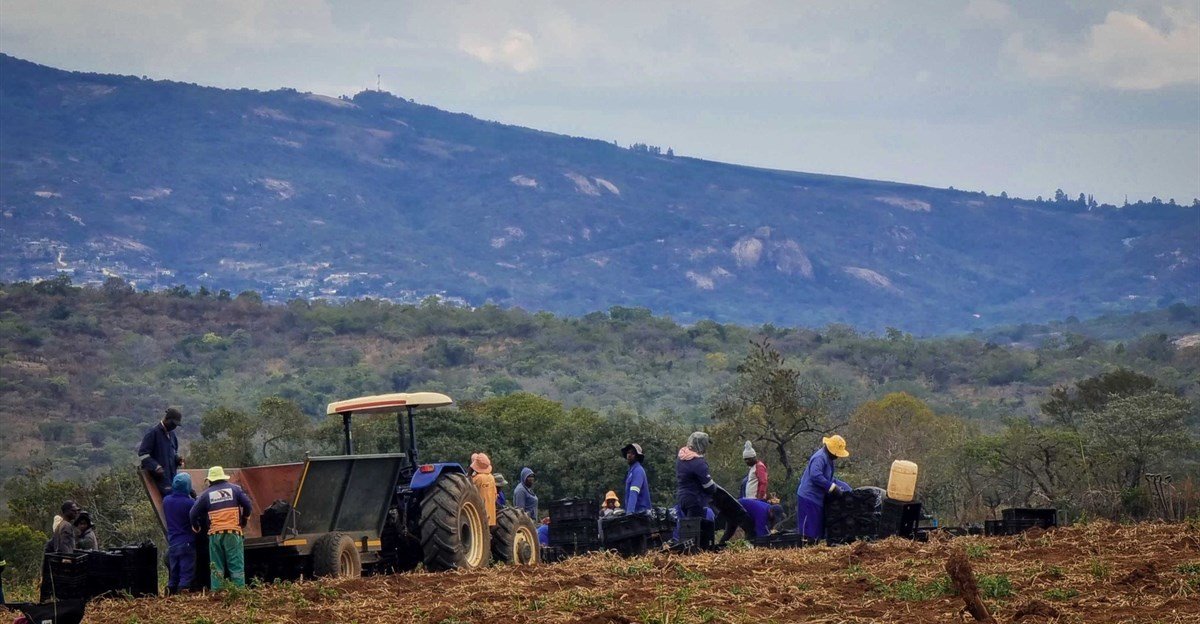
The Importance of Private Sector Involvement in South Africa’s Land Reform
For many years, South Africa’s private sector has viewed land reform primarily as a governmental responsibility or a political risk to avoid. This perspective has resulted in scepticism and a lack of meaningful engagement, leaving only a handful of companies willing to support land reform initiatives. The reluctance stems from fear of reputational damage and uncertainty surrounding the processes involved.
Understanding the Economic Impact of Land Reform
When communities regain ownership of land but lack the necessary resources—such as transaction advisory teams, legal experts, and financial advisers—that land effectively becomes a liability. This scenario presents not just a social issue but also an economic crisis. The Vumelana Advisory Fund, a not-for-profit organization facilitating productivity in land reform projects, argues that the slow pace of land reform is less about intent and more about inadequate post-settlement support and underfunded institutions that tackle structural challenges.
The Real Challenges After Land Restoration
Contrary to the belief that handing over land signifies completion, this event marks the beginning of various challenges. The gaps in funding and capacity between land ownership and its productive use are critical. Two critical areas exemplify these gaps:
-
Pre-Investment Void: Private investors are often hesitant to engage with unstable Communal Property Associations (CPAs). The lack of governance repair funding is a significant barrier, and state grants are frequently slow and misaligned with commercial requirements. Consequently, when government resources, like tractors, arrive, the planting season may have already passed.
- Economic Stranding: Although communities may legally own land, they may not possess the tools or expertise to utilize it productively.
The Government’s Limitations
The land reform budget allocated by the government is severely constrained, leaving the Commission on Restitution of Land Rights with backlogs and diminishing financial resources. This limits the government’s ability to provide essential, hands-on support. The silence from many private sector players regarding land reform exacerbates the issue.
Importance of Soft Infrastructure
Successful land reform necessitates more than just land allocation; it demands capital, skills, and effective governance. Communities often lack the "soft infrastructure" to manage land assets, which includes governance training, financial management, succession planning, and administrative capabilities. Without these, the land remains a nonproductive asset.
Proven Models for Success
Over a decade, models like Vumelana’s Community–Private Partnership (CPP) approach have illustrated the potential for success in land reform when communities work collaboratively with private investors. However, these partnerships do not develop spontaneously; they require transaction advisory support, legal facilitation, and capacity-building initiatives—elements that are usually underfunded in the land reform value chain.
Evolving Corporate Social Investment (CSI)
Traditionally, Corporate Social Investment initiatives in South Africa have overlooked land reform. It is essential for CSI to focus on areas where persistent structural challenges exist. Allocating CSI budgets for advisory services or governance training should be considered a vital economic contribution rather than mere philanthropy. Every rand invested in advisory support has the potential to unlock millions in private funding.
Collaborative Approach for Effective Reform
Relying solely on private investors to fund the complete transaction and advisory process is unrealistic. A singular investor’s involvement may lead to imbalanced power dynamics, undermining the trust necessary for sustainable partnerships. Independent, well-resourced facilitation ensures that these collaborations are constructed transparently, protecting the interests of both communities and investors.
Evidence-Based Success Stories
The impact of this structured approach is evident. For instance, the Ebenhaeser CPA in the Western Cape successfully exports agricultural products internationally. Additionally, the Barokologadi CPA has generated numerous jobs through tourism partnerships linked to the Madikwe Game Reserve precinct. Vumelana has fostered over 26 partnerships, effectively utilizing approximately 76,000 ha of land.
The Role of the Private Sector
In supporting land reform, the private sector plays a crucial role in promoting social and economic stability in South Africa. Various sectors, including audit firms, legal advisors, governance experts, and financial specialists, should engage in providing mentorship and support to CPAs in managing their assets.
Consequences of Inaction
Failing to adequately support land reform will perpetuate social and economic instability, deepening inequality and undermining trust in transformation policies. Conversely, successful reforms can serve as a catalyst for job creation, thriving rural economies, and inclusive economic growth.
In conclusion, investing in land reform is not merely an act of social responsibility; it is a strategic investment crucial for the future stability and prosperity of South Africa. The private sector must recognize this importance and take collaborative action to support effective land reform initiatives.
