

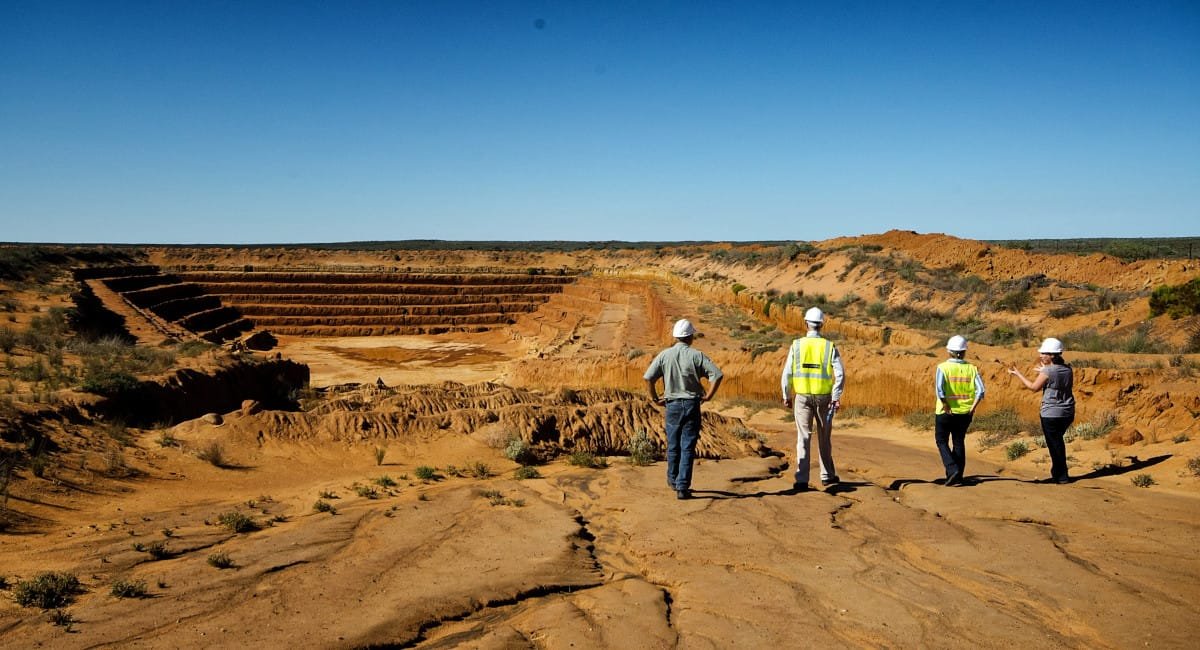
Harnessing the Economic Power of African Mines: A Path to Sustainable Growth
Mines across Africa are emerging as pivotal players in driving local economic growth and technological advancement. This burgeoning sector is setting the stage for social transformation, which can be further enhanced through robust dialogue between public and private stakeholders.
As Cape Town welcomes attendees this week for the Investing in African Mining Indaba, discussions focus on maximizing mining’s role in promoting inclusive and sustainable growth. Andrew van Zyl, Managing Director of SRK Consulting, emphasizes the mining sector’s critical role in fostering intra-Africa trade and facilitating the development of value chains that introduce innovative technologies with considerable social advantages.
The Vital Role of Mines in Technology Adoption
Van Zyl articulates that the contribution of mines is often underestimated, particularly regarding the adoption of advanced technologies that can uplift communities. He cites decentralized renewable energy as an exemplary innovation, capable of dramatically improving livelihoods, productivity, and living standards across various African regions.
“Mines play a pivotal role in creating demand for valuable technologies, which might struggle to gain traction independently,” explains Van Zyl. The integration of solar energy within mining operations illustrates how such investments can pave the way for local expertise in installation and maintenance. Consequently, once local service providers are established, nearby communities often gain more affordable access to these transformative technologies.
Supporting Local Economies Through Renewable Energy
The transformative potential of mining extends beyond immediate operational benefits. Increased engagement between the private and public sectors can further amplify these processes, particularly when legislation and regulations align with economic and technological opportunities.
In South Africa, significant progress was made in 2021 when the exemption threshold for the licensing of solar and other energy plants increased from 1 MW to 100 MW. This legislative shift has led South African mines to initiate nearly 3.5 GW of renewable energy projects, with projections suggesting a rise to 5 GW by 2030.
The Interplay of Innovation and Regulation
The focus of the Mining Indaba underscores the necessity for collaboration in driving technological advances, which also requires an innovative regulatory framework. Van Zyl acknowledges that successful investment and operational strategies depend heavily on clarity and predictability. However, the continuous evolution of the mining sector urges stakeholders to remain adaptive and innovative.
“Embracing innovation is rarely straightforward,” he notes, emphasizing the need for commitment from clients, professionals, and government entities. This collective effort includes learning from past experiences, thereby ensuring that successful strategies can be replicated while minimizing risks associated with new implementations.
Learning from the Past to Shape the Future
Van Zyl encourages dialogue on embedding novel ideas within the mining ecosystem accompanied by honest reviews of previous initiatives. He highlights that mining globally and particularly in Africa benefits from a wealth of studies regarding past projects, facilitating better decision-making in future endeavors.
Statistics shared at the Mining Indaba reveal the significant impact of mining, with nearly 900,000 jobs directly linked to the industry and vital support for the livelihoods of 3.6 million South Africans. As noted by the CEO of the Minerals Council South Africa, Mzila Mthenjane, mining serves as a powerful economic multiplier; its growth correlates directly with broader economic expansion and job creation.
Enhancing Collaborative Efforts for Broader Impact
The interconnected nature of the mining sector necessitates strong global relationships at the project level. With increased participation from China-based mining firms and financial institutions within Africa, collaborations with international experts are paramount.
“This technical cooperation fosters effective communication and aligned expectations throughout the project pipeline,” says Van Zyl. Such partnerships have significantly supported SRK Consulting’s initiatives across diverse regions, including the Democratic Republic of Congo, Ghana, and Zambia.
Conclusion
As Africa continues to unlock the potential of its mining sector, fostering productive dialogue and collaboration among public and private entities is essential. By emphasizing renewable energy solutions and innovative technologies, the mining industry can drive inclusive economic growth and transformative social changes across the continent.
For more insights on the evolving landscape of African mining, visit SRK Consulting and stay engaged with the ongoing discussions at the Investing in African Mining Indaba.
