

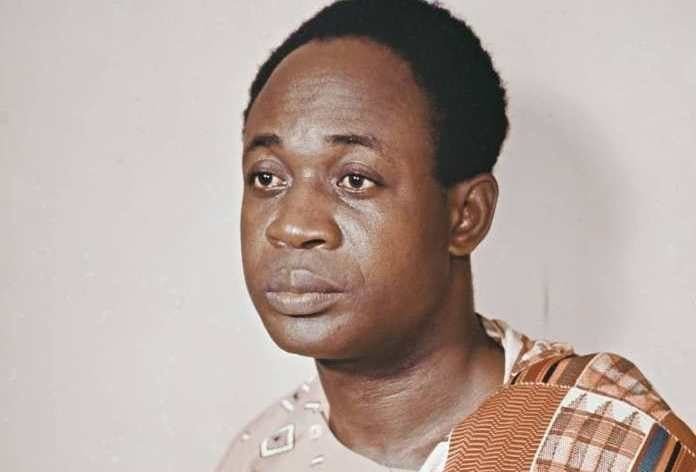
The Dark Legacy of February 24, 1966: Ghana’s Lost Dreams
February 24, 1966, marks a pivotal moment in the annals of Ghana and African history. On this day, Ghana’s first President, Kwame Nkrumah, was deposed in a military coup orchestrated by General Kotoka. This event not only disrupted Ghana’s progress but also struck a severe blow against the aspirations of unity and self-determination across the African continent.
The Visionary Leadership of Kwame Nkrumah
Kwame Nkrumah, who led Ghana to independence in 1957, transformed the nation into a beacon of hope for liberation within sub-Saharan Africa. His government made substantial investments in education, infrastructure, and industrialization, with landmark projects like the Akosombo Dam designed to ensure economic self-sufficiency. Nkrumah envisioned a self-reliant, industrialized, and united African continent, resonating with the principles of Pan-Africanism.
His vision extended beyond national boundaries, aiming for a collective African renaissance. This inspired millions, generating both admiration and fear among Western powers, who perceived his ideologies as threats to their influence on the continent.
The Coup: A Destructive Turning Point
On the fateful day of February 24, while Nkrumah was on a peace mission in Hanoi, military officers took advantage of his absence to launch a coup. They established the National Liberation Council, suspended the constitution, dissolved parliament, and banned Nkrumah’s Convention People’s Party.
Years later, investigations revealed that Western intelligence agencies, notably the CIA, played a significant role in facilitating the coup. Nkrumah’s socialist agenda and rejection of imperialism placed him at odds with Western geopolitical interests during the intense climate of the Cold War. The coup represented a broader struggle for African sovereignty, often at the expense of local leaders’ aspirations.
Immediate Consequences for Ghana
The repercussions of the coup on Ghana were swift and dire. Development initiatives stalled, industries collapsed, and the country was plunged into a cycle of political instability and economic struggles. The ideal of rapid industrial growth began to fade, leading to increased dependency on foreign aid—a stark contrast to Nkrumah’s vision of self-sufficiency.
Once viewed as the pride of Black Africa, Ghana became entangled in political upheaval and economic uncertainty, eroding the foundations of progress that Nkrumah had painstakingly built. The coup weakened bold leadership and perpetuated neo-colonial forces aimed at keeping Africa fragmented and reliant on external powers.
A Betrayal of National Aspirations
The overthrow of Nkrumah was a painful betrayal, not only by some of Ghana’s own citizens but also by foreign interests that prioritized their agendas over genuine African progress. A once-vibrant vision was replaced by governance marked by fear and short-term survival, leading to decades of hardship.
Those who celebrated the coup believed they were acting patriotically, but history has since scrutinized their actions, revealing the long-lasting damage they inflicted on Ghana’s aspirations and future.
Reflecting on Nkrumah’s Legacy
What, then, was Nkrumah’s "crime"? He dared to dream of true freedom—freedom for Africans to self-govern, to utilize their resources effectively, and to craft their own destinies. His rejection of colonial legacies challenged both foreign powers and local elites, who thrived under the old order.
Though 60 years have passed since that fateful day, Ghana still grapples with the shadows cast by the coup, including issues of economic dependency and developmental challenges tied to Nkrumah’s destroyed long-term vision. However, his ideas continue to ignite passion among generations yearning for dignity, unity, and genuine independence.
Conclusion: Reclaiming Dreams
February 24, 1966, serves as a sobering reminder of the dreams lost and the potential yet to be recaptured in Ghana and beyond. The legacy of Kwame Nkrumah endures, inspiring current and future leaders to champion the cause of African unity and self-determination.
In this ongoing journey, may the spirit of African liberation guide not only Ghana but the entire continent toward a future where hope, dignity, and independence reign supreme.
For further reading, explore the impacts of African leadership on global geopolitics and the implications of colonial structures in contemporary societies.
