

India’s Strategic Engagement in Africa: Energy Security and Maritime Safety
New Delhi, Feb 24—India’s Africa policy is proving crucial for enhancing energy security, boosting exports, and securing vital trade routes in the Indian Ocean. This strategic initiative is increasingly evident through India’s collaboration with key African nations like Nigeria and Mozambique.
Understanding India’s Energy Needs
As the world’s third-largest energy consumer, India relies heavily on imported crude oil, sourcing over 85% of its requirements. To mitigate risks associated with geopolitical uncertainties, India is diversifying its oil procurement, with Nigeria being a significant contributor. Historically one of India’s top five crude suppliers, Nigeria’s light crude provides a buffer against supply disruptions from West Asia, which often result in immediate price hikes.
Bilateral Trade: A Win-Win Situation
Despite fluctuations influenced by global market dynamics, trade between India and Nigeria fluctuates between $11 to $15 billion annually, predominantly driven by energy exports. India exports an array of products, including pharmaceuticals, machinery, transport equipment, plastics, and refined petroleum to Nigeria. Indian pharmaceutical companies are a major player in the Nigerian generic medicine market, making India a vital source of affordable healthcare in West Africa. Moreover, Indian investments in Nigeria span various sectors including power, manufacturing, and consumer goods, creating significant employment opportunities and contributing to the country’s economic growth.
Cultural Ties and Educational Exchanges
The relationship extends beyond commerce. With around 50,000 Indian nationals residing in Nigeria, comprising professionals and long-term residents, and numerous Nigerian students pursuing education in India, the people-to-people contact further solidifies this bilateral partnership. These ties enhance mutual understanding and cooperation in various fields.
Mozambique: The Future of India’s Energy Engagement
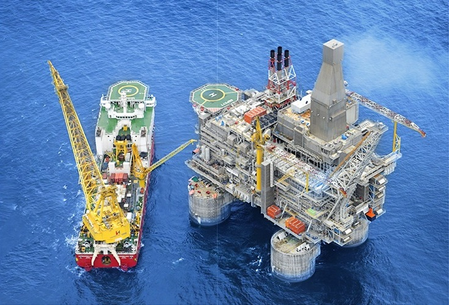
While Nigeria represents the backbone of India’s contemporary energy strategy, Mozambique symbolizes the future potential. The discovery of substantial natural gas reserves in Mozambique’s Rovuma Basin—estimated at over 100 trillion cubic feet—holds transformative potential for global LNG markets. Indian public sector enterprises, including ONGC Videsh, Bharat Petroleum, and Oil India Limited, have made significant investments in Mozambique’s offshore projects. This financial commitment not only secures future energy cargoes but also acts as a hedge against market fluctuations, underscoring the strategic importance of these investments.
Strategic Location and Maritime Considerations
Beyond hydrocarbons, Mozambique’s strategic location along the Western Indian Ocean integrates seamlessly into India’s broader maritime strategy. The sea lanes connecting African energy sources to Indian markets are vital for economic stability. With rising maritime threats from piracy and geopolitical tensions, ensuring the safety of these routes is paramount. India’s naval engagement in the Western Indian Ocean, therefore, is not merely an ambitious endeavor but a practical necessity for safeguarding essential trade routes.
Conclusion: Weaving a Tapestry of Strategic Autonomy
India is not just engaging in oil purchases from Nigeria or gas investments in Mozambique; it is strategically situating itself within Africa’s energy landscape while expanding its maritime footprint in the Indian Ocean. This comprehensive approach is key to anchoring India’s strategic autonomy in a world where reliance on external sources can often be exploited.
Through its robust Africa policy, India is setting a precedent for long-term partnerships that enhance energy security and foster economic growth, ultimately benefiting both nations and broadening the scope of international cooperation.
