

Unpacking South Africa’s Land and Mining Governance Crisis
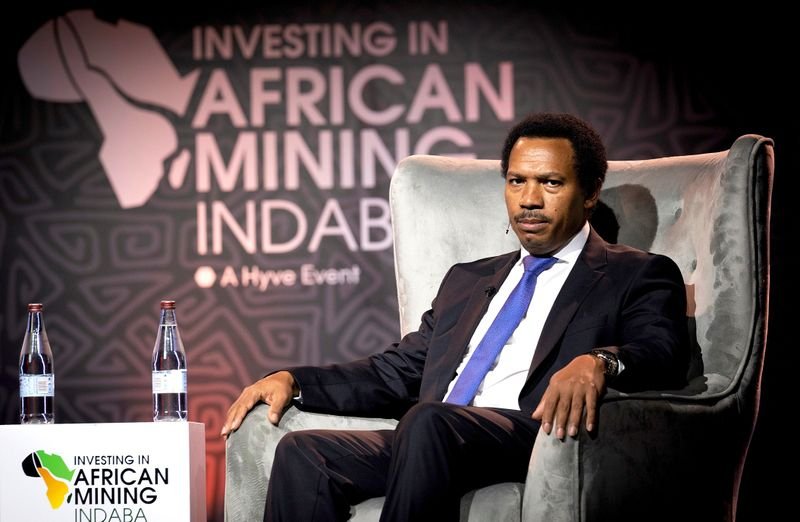
The atmosphere was charged with anticipation at the Investing in Africa Mining Indaba 2026, where a collaborative breakfast sponsored by CNV Internationaal and the Initiative for Responsible Mining Assurance (IRMA) focused on the pivotal question: Who rightfully represents the land? This question has lingered in South Africa’s consciousness for decades, laying bare the intricacies surrounding mining, land, identity, and justice.
The Governance Dilemma: A Crisis of Power
This challenge is not merely technical; it’s deeply woven into the political fabric of the nation. A panel featuring traditional leaders, mining executives, labor representatives, community initiatives, and social auditors found common ground: the land governance system is faltering under immense pressures that it was never designed to withstand. Activists have long voiced a stark truth—effective negotiations around mining and development cannot happen without solid, democratic governance over land.
Outdated Frameworks and Community Desires
South Africa’s land governance measures still reflect outdated paradigms characterized by centralized control and extraction-driven policies. This approach clashes sharply with contemporary community aspirations for justice, transparency, and sustainability. The ongoing debate often reduces complex issues to binary oppositions—whether it is commodity versus identity or traditional authority versus democratic representation. This reductionism signifies not a policy failure but a failure of imagination.
Reimagining Land Governance: Four Transformative Innovations
South Africa stands at a crossroads, ready to embrace transformative innovations that prioritize land justice and community empowerment. These proposed changes are not mere policy tweaks but rather fundamental systemic redesigns.
1. Introducing the “Living Land Title”
This innovative legal hybrid aims to transcend the conflicting paradigms of individual freehold and insecure communal tenure. The Living Land Title is conferred to a democratically formed community body like a trust or cooperative and comes with a Community Consent clause, ensuring that any lease or sale requires a supermajority vote. It also mandates an Intergenerational Commons, whether a cooperative garden or renewable energy microgrid, showcasing land as a generative commons rather than an elite asset.
2. Establishing the “Soil & Soul Fund”
Land reform efforts often falter due to reliance on state budgets or commercial banks. The Soil & Soul Fund seeks to revolutionize this reality by being funded through:
- A temporary Common Good Levy on agricultural exports, mining profits, and commercial farming revenues.
- Diaspora bonds that invite investment in land justice from global South Africans.
- A designated allocation from large pension funds, particularly those derived from labor-intensive sectors.
This fund would finance land acquisition, ongoing support, and cultural restoration, shifting the narrative towards shared national accountability and investment for future generations.
3. Creating the “Customary Constitution”
To address the growing disconnect between mainstream governance and indigenous practices, the Customary Constitution empowers communities to define governance based on their cultural and historical contexts. This grassroots initiative facilitates inclusivity by allowing communities to establish leadership, land allocations, and conflict resolution mechanisms tailored to their traditional practices. Rather than imposing external structures, this constitution revitalizes the communal governance ethos.
4. Launching the “Generational Tribunal”
Given South Africa’s complex legal backdrop, the Generational Tribunal offers a way to confront historical land injustices. This non-judicial body would:
- Investigate and document instances of land injustice.
- Maintain oral histories and an archive of land claims.
- Issue Certificates of Moral Claim to assist in negotiations.
By creating public records and acknowledging historical pain, the Tribunal lays the groundwork for healing and transformation.
A Unified Vision for Land Governance
These innovative frameworks address various layers of South Africa’s land governance crisis:
- The Living Land Title restructures property norms.
- The Soil & Soul Fund reinvigorates financing approaches.
- The Customary Constitution redefines power dynamics.
- The Generational Tribunal reshapes the national narrative.
Together, these initiatives form a cohesive foundation for a new land governance regime, one that empowers the voices of communities, ensuring that they speak for the land with dignity and authority.
As South Africa grapples with its mining and governance crises, it’s essential to shift focus from merely extracting resources to fostering relationships built on mutual respect and democratic engagement. The land is voicing its concerns, communities are demanding recognition, and the future beckons for transformative action. The question now is: Will South Africa heed the call?
/file/dailymaverick/wp-content/uploads/2024/09/gi_0289944.jpg "A miner climbs down a ladder joining two underground working levels. (Photo: Graeme Williams)")
