

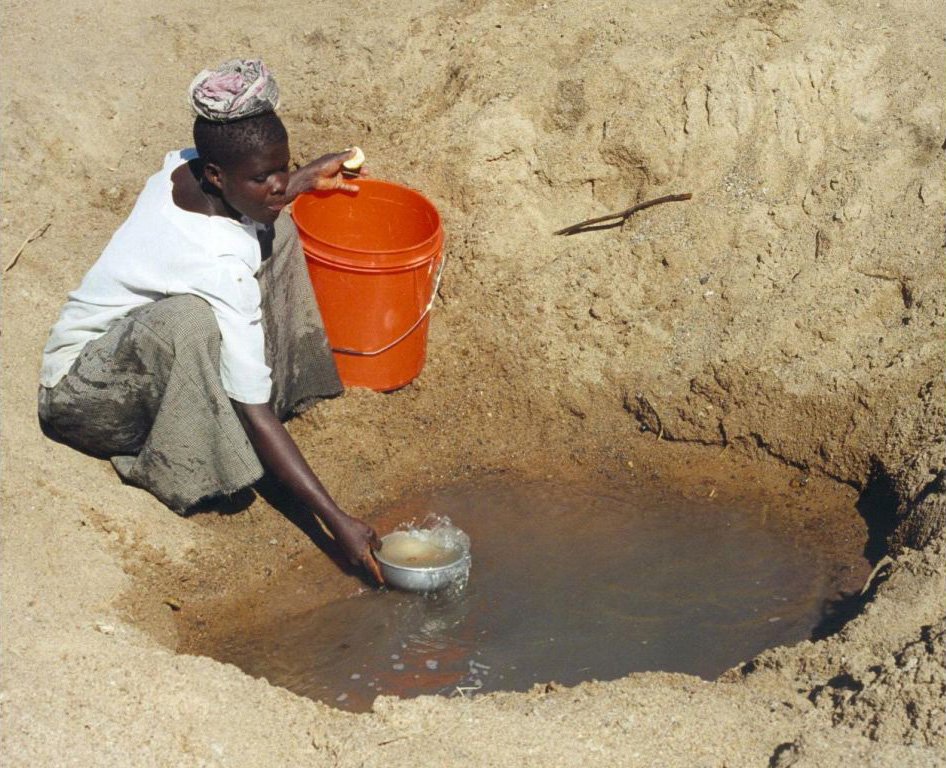
Faith Leaders in Africa Call for Action on Water Crisis
Over 319 million people in sub-Saharan Africa are grappling with unreliable access to drinking water. In response to this pressing issue, African faith leaders have united to advocate for systemic change in resource management. Under the auspices of the Symposium of Episcopal Conferences of Africa and Madagascar (SECAM), they have introduced the 2026 Addis Ababa Confessional Declaration on Sustainable Water Resources and Sanitation.
Water Crisis: A Call for Ethical Management
During a significant gathering at a high-level African Union side event, the declaration sharply reframes the continent’s water crisis from one of scarcity to “managed abundance in inequality.” This shift in perspective emphasizes that millions are deprived of this essential resource due to mismanagement and systemic injustice.
Influencing Africa’s Water Governance Framework
As African heads of state and government designate 2026 as the year of water and sanitation, AU Commissioner for Agriculture, Rural Development, Blue Economy, and Sustainable Environment, Moses Vilakati, hailed this commitment as a “historic turning point.” The declaration is strategically timed to align with the African Union’s upcoming “Africa Water Vision 2063 and Policy,” which is set to guide the governance of water across the continent.
The Ethical Dimensions of Water Access
The declaration stresses that water and sanitation transcends technical challenges and touches on the ethical and spiritual realities essential for Africa’s survival and growth. Cardinal Fridolin Ambongo, president of SECAM, emphasized the role of faith-based organizations as crucial partners in development. They have the unique capability to reach marginalized communities and foster trust, which results in meaningful behavioral changes.
Building Bridges Between Faith and Governance
Cardinal Ambongo noted that the Catholic Church has a significant presence in regions lacking effective governmental oversight. By engaging directly with communities, faith leaders can provide invaluable insights that can inform national strategies on peacebuilding and environmental management.
“The insights we gain from our work in these communities are crucial—they enable informed adjustments to continental strategies,” Ambongo stated, demonstrating the potential of faith organizations to influence significant outcomes in governance.
A Unified Approach to Water Governance
During discussions at the Hilton Hotel involving various stakeholders—ranging from the Holy See to development partners—participants called for the integration of values like equity, human dignity, and responsible stewardship into continental water governance. They urged the African Union Commission to formally recognize the declaration and enhance collaboration with faith networks.
Prioritizing Community Engagement
Delegates urged national governments to weave ethical and faith-sensitive strategies into their water policies, ensuring active participation from women, youth, and local communities in decision-making processes.
“Investing in water and sanitation is not merely a cost; it offers one of the highest returns on investment for Africa,” stated Vilakati. He advocated that securing access to these resources is essential for the continent’s economic transformation.
The Broader Context of Water Sustainability
Dr. Cheikh Tidiane Dièye, Senegal’s Minister for Hydraulic and Sanitation, termed the vision as transformative for Africa. “It’s not just a sectorial vision but a continental strategy for prosperity and resilience,” he asserted. These perspectives were echoed by Collins Nzovu, a Zambian MP, who underscored that water embodies the lifeblood of Africa, essential for community well-being and inter-nation cooperation.
A Holistic Approach to Human Development
Cardinal Michael Czerny, in a keynote address, emphasized the intrinsic link between water, sanitation, and integral human development. He highlighted that access to reliable water and sanitation is vital for health, education, and livelihoods. “Inadequate access leads to marginalization, poverty, and health issues. Ensuring water access must be a social and moral imperative for governments,” he stated.
Conclusion: A Path Forward
The 2026 Addis Ababa Confessional Declaration is a clarion call for Africa to address its water crisis through ethical governance, community engagement, and collaboration among diverse stakeholders. As Africa approaches a pivotal moment in its water policy, the collective efforts of faith leaders, governments, and civil society will be instrumental in driving meaningful change for millions in need.
